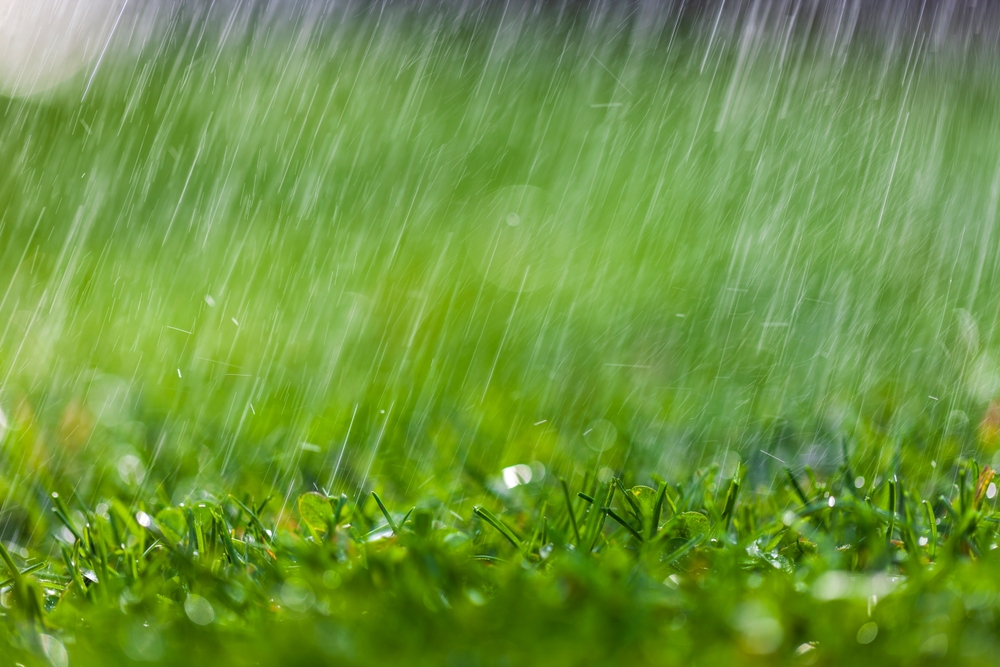
Heavy rain feels like a gift to the garden, soaking everything in a deep, refreshing drink that seems to promise lush growth and happy plants. But right after the storm passes, one small mistake can quietly set off a chain reaction that damages roots, weakens stems, and invites disease. Many gardens look perfectly fine on the surface while trouble builds underneath the soil where no one is paying attention.
The real danger often starts when gardeners rush in too soon and treat soggy conditions like dry ground. That single misstep can undo weeks or even months of careful growing.
The Hidden Damage Heavy Rain Leaves Behind
Heavy rain does more than wet the soil, it rearranges the entire structure of a garden bed in ways that are easy to miss at first glance. Water pushes air pockets out of the soil, leaving behind dense, compacted layers that feel soft on top but behave like concrete underneath. Roots suddenly lose access to oxygen, even if the plant still looks upright and green. Puddles may drain slowly, signaling that the soil has shifted into a much tighter, less friendly environment for root systems. Plants often begin their decline quietly at this stage, long before visible symptoms appear above ground.
The surface of the garden also tells part of the story, especially when mulch shifts, soil washes away, or exposed roots start peeking out. Nutrients can wash deeper than root reach, leaving plants temporarily “hungry” even in rich soil. This combination of compaction and nutrient displacement creates a stressful environment that weakens plant defenses. Gardeners often misread these signs as minor cosmetic issues when the real problem runs deeper. Paying attention to these early clues helps prevent the next mistake from making things worse.
The Big Mistake: Working the Soil When It’s Soggy
The most common post-rain mistake happens when eager hands grab tools and start digging, raking, or planting while the soil still holds too much moisture. Wet soil compresses easily under pressure, and every step or shovel push squeezes out the remaining air pockets that roots desperately need. Instead of improving conditions, this action turns already stressed soil into a dense, sticky layer that suffocates plant roots. Even light foot traffic across garden beds can leave long-lasting damage when conditions stay saturated.
This mistake often comes from good intentions, since gardeners want to fix damage quickly or take advantage of softened ground. However, working wet soil reshapes its structure in ways that take months to repair naturally. Plants respond to this disruption with slower growth, drooping leaves, and reduced resilience against pests and disease. Waiting for soil to dry slightly before any major activity gives it a chance to regain balance. Patience in this moment protects far more than any quick fix ever could.
Why Waterlogged Roots Become a Silent Killer
Roots need oxygen just as much as they need water, and heavy rain often removes that oxygen by filling every pore space in the soil. When roots stay submerged too long, they begin to weaken and lose their ability to absorb nutrients efficiently. This creates a slow decline that rarely shows immediate warning signs above ground. Leaves may yellow gradually, growth may stall, and stems may feel softer without obvious explanation. By the time symptoms become visible, root damage often already runs deep.
Prolonged saturation also encourages root rot pathogens that move quickly through weakened plant tissue. These organisms thrive in low-oxygen environments and spread more easily when plants lose their natural defenses. Containers and raised beds face this issue even more sharply when drainage holes clog or soil stays overly dense. Once root systems begin breaking down, recovery becomes difficult and sometimes impossible for certain plants. Keeping soil from staying waterlogged for extended periods plays a critical role in plant survival after storms.
The Fungal Party Nobody Invited
Wet conditions after heavy rain create a perfect environment for fungal diseases to move in without resistance. Leaves that stay damp for long stretches allow spores to settle and spread across plant surfaces. Fungal issues like mildew or blight often begin quietly on lower leaves where airflow stays limited. The problem escalates quickly when gardeners water again too soon or leave debris piled around stems. Moisture combined with still air creates the exact conditions fungi love most.
One overlooked issue involves fallen leaves and broken stems that remain on wet soil after storms. These materials act like sponges, holding moisture against healthy plant tissue and accelerating decay. Gardeners sometimes delay cleanup, thinking the garden should rest after stress, but this delay can actually encourage disease spread. Careful removal of damaged plant matter helps reduce fungal pressure significantly. Good airflow and clean spacing between plants make a noticeable difference during recovery periods.
What Not to Do Right After the Storm Passes
Rushing into fertilizing ranks high among post-rain mistakes that can shock already stressed plants. Saturated soil allows nutrients to move too quickly, which can lead to uneven distribution and root burn in vulnerable areas. Plants already struggling with oxygen deprivation do not handle sudden nutrient spikes well. Adding fertilizer too soon can push growth at the wrong time, forcing plants to use energy they cannot support. Timing matters more than most gardeners realize in these situations.
Another misstep involves heavy pruning immediately after rain when plants already sit under environmental stress. Cutting back foliage too aggressively removes the plant’s ability to photosynthesize at a moment when energy levels run low. This weakens recovery and can expose fresh cuts to lingering moisture that encourages disease entry. Even staking or transplanting should wait until soil regains structure and stability. Allowing a short recovery window prevents compounding stress that slows the entire garden’s rebound.
How Smart Gardeners Help Plants Recover Safely
Careful observation becomes the most powerful tool after heavy rain, especially when gardeners resist the urge to intervene too quickly. Checking drainage patterns helps identify areas where water collects and lingers longer than expected. Gentle surface aeration with minimal disturbance allows soil to breathe again without collapsing its structure. Raised paths or stepping boards help prevent further compaction when movement through beds becomes necessary. These small actions protect soil integrity while supporting natural recovery.
Supporting plants during this period often involves subtle adjustments rather than dramatic changes. Removing only clearly damaged foliage keeps healthy growth intact while reducing disease risk. Allowing soil to dry at its own pace restores oxygen levels more effectively than forced intervention. Containers benefit from repositioning to improve airflow and drainage exposure. Thoughtful restraint during this stage often determines how quickly a garden rebounds after heavy rainfall.
The Key to Protecting Plants After Heavy Rain
Heavy rain does not destroy gardens on its own, but rushed decisions afterward can turn temporary stress into lasting damage. The biggest mistake lies in treating wet soil like dry soil, which triggers compaction, root suffocation, and disease pressure all at once. Gardens recover best when gardeners step back, observe conditions closely, and let the soil stabilize before making changes. Every pause during this recovery window gives roots and microbes time to reset their balance. Patience becomes the quiet strategy that keeps plants standing strong long after the storm clouds disappear.
What post-rain mistake has caused trouble in your garden before, and how was it fixed?
You May Also Like…
10 Affordable Garden Ideas That Look Pinterest-Worthy
The Backyard Gardening Rule That Could Save You Hundreds on Water Bills
The Drainage Problem That Leads to Plant Loss
Install a DIY Drip Irrigation System to Save Water and Money This June
The Real Reasons Your Garden Drainage Isn’t Working Like It Should

Brandon Marcus is a staff writer for FrugalGardening.com at District Media, Inc., where he delivers practical gardening advice with a relatable, no-nonsense style. An avid amateur gardener, he holds a BA degree and with over ten years of professional writing experience, he is also an award-winning published author whose first book, Questions For Deep Thinkers, was released by Adams Media. His work has appeared in major publications including Fandom.com, CHUD.com, TheColdWire.com, and Fansided.com.
Leave a Reply