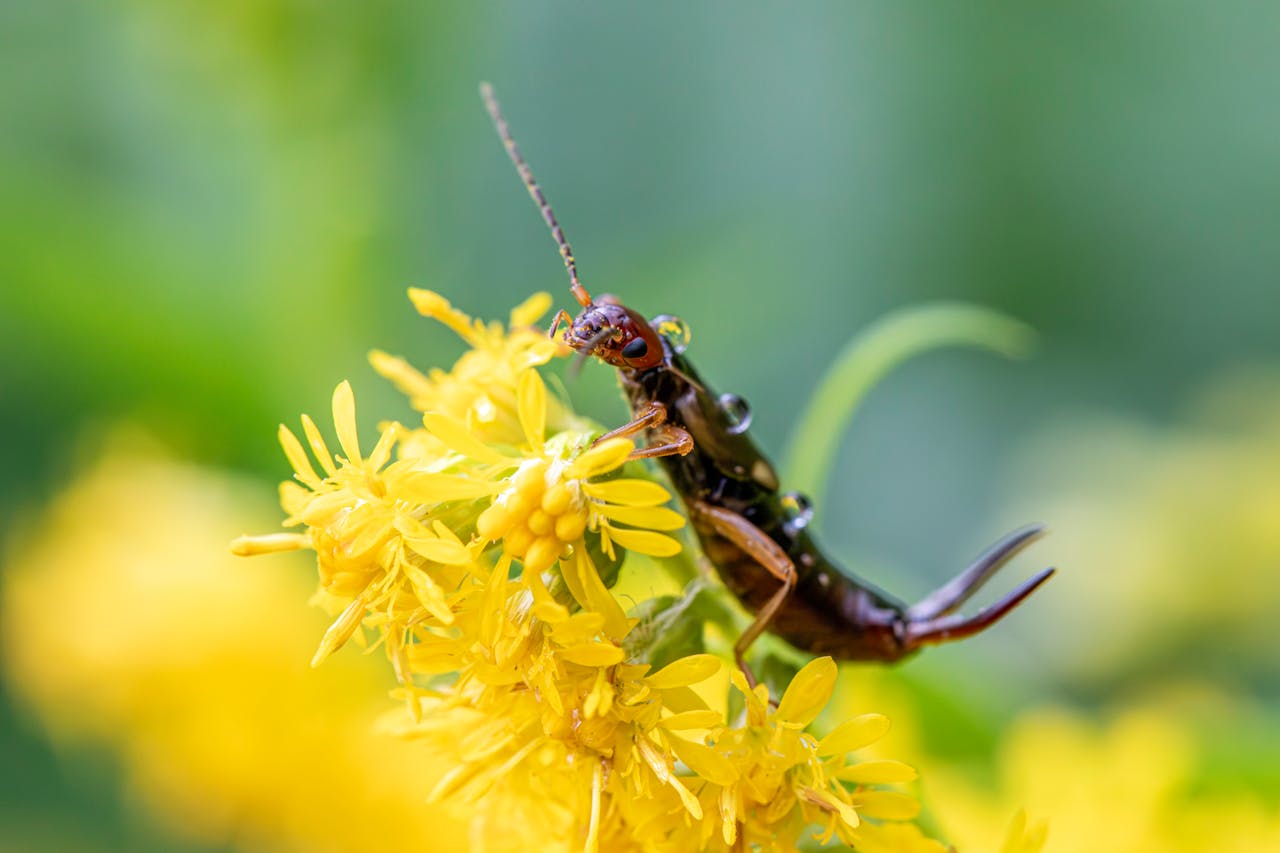
There is something dramatic about spotting an earwig curled up in a leaf, pincers poised like it just stepped out of a tiny action movie. These insects look intense, a little prehistoric, and maybe even a bit suspicious. But appearances rarely tell the whole story in a garden, and earwigs prove that better than most. They don’t just lurk in the shadows waiting to cause chaos; they move through the ecosystem with purpose, sometimes helping more than they hurt.
Gardeners often rush to judgment the moment they see one, but that snap decision misses a much bigger picture. Earwigs operate as both cleanup crew and occasional troublemaker, depending on conditions, timing, and sheer numbers. Knowing what they actually do opens the door to smarter gardening choices, fewer unnecessary interventions, and a healthier outdoor space overall. Instead of declaring them enemies right away, it pays to know their habits, their benefits, and the tipping point where things start to go sideways.
1. They Feast on Pests Like Tiny Night Patrol Officers
Earwigs spend much of their time hunting, and they don’t just nibble randomly. They actively seek out soft-bodied pests that gardeners spend all season trying to control. Aphids, mites, and even small insect eggs all fall on their menu, making them surprisingly useful allies in keeping plant damage under control. When they roam through leaves and soil at night, they quietly reduce populations that would otherwise explode.
This hunting behavior means that a small earwig presence can actually balance a garden. They don’t wipe out pests entirely, but they help prevent infestations from getting out of hand. That subtle control keeps plants healthier without constant human interference. Gardeners who notice just a few earwigs often benefit from their presence without realizing it.
Encouraging natural predators like earwigs can reduce the need for chemical solutions. A diverse garden with mulch, hiding spots, and moisture creates an environment where beneficial insects thrive. Instead of eliminating earwigs immediately, it makes more sense to observe what they’re doing. If plants look healthy and pests stay in check, those little pincers might be doing more good than harm.
2. They Clean Up Decaying Matter Like Nature’s Recycling Crew
Earwigs don’t just hunt; they also scavenge. They feed on decaying plant material, fallen leaves, and organic debris, helping break everything down into nutrient-rich soil. This cleanup role keeps garden beds from becoming cluttered and supports the natural cycle of decomposition.
That constant nibbling on dead matter speeds up composting processes in the soil. As they chew through organic waste, they help release nutrients that plants can absorb more easily. It’s not flashy work, but it plays a major role in maintaining soil health over time. Gardens thrive when that underground system functions smoothly.
Gardeners who pile up mulch or compost may unknowingly create a perfect habitat for earwigs to do their thing. Instead of seeing them as intruders, it helps to recognize their role in keeping the soil alive and active. A thriving garden depends on this kind of behind-the-scenes work, and earwigs contribute more than they get credit for.
3. They Snack on Plants When Other Food Runs Low
Here’s where the story gets complicated. Earwigs don’t stick strictly to pests and decaying matter. When food becomes scarce, they turn their attention to living plants. Tender leaves, young shoots, and soft fruits can all become targets, especially in dry conditions or overcrowded environments. This shift usually happens when earwig populations grow too large or when their preferred food sources disappear. Instead of acting as helpers, they start competing with the garden itself. That’s when gardeners begin to notice ragged holes in leaves or damage to flowers and seedlings.
The key lies in balance. A few earwigs won’t cause widespread destruction, but a surge in numbers can tip the scale quickly. Regularly checking plants and monitoring insect activity helps catch this transition early. If damage appears, it signals that the garden ecosystem needs adjustment, not panic.
4. They Hide Like Experts During the Day
Earwigs operate mostly at night, and they take hiding very seriously during daylight hours. They squeeze into tight, dark, and damp spaces, including under rocks, mulch, pots, and even inside curled leaves. This behavior makes them tricky to spot until their population grows noticeably.
Their love for moisture plays a big role in where they gather. Gardens with heavy mulch, dense plant coverage, or frequent watering create ideal hiding conditions. While these environments benefit plants, they also attract earwigs in larger numbers.
Gardeners can manage this by reducing excess moisture and limiting overcrowded hiding spots. Simple steps like spacing plants properly and lifting debris can make a big difference. Instead of eliminating shelter entirely, it’s about creating balance so earwigs don’t multiply unchecked.
5. They Protect Their Young Like Fierce Tiny Guardians
One surprising fact sets earwigs apart from many other insects: they care for their young. Female earwigs guard their eggs and even clean them to prevent mold or fungus. After the eggs hatch, they continue to protect the young until they can survive on their own. This level of parental care boosts survival rates, which explains how earwig populations can grow quickly under the right conditions. When the environment supports them, they don’t just survive—they thrive. That rapid growth can catch gardeners off guard if they don’t monitor activity.
Understanding this behavior helps explain why early intervention matters. Removing excess hiding spots or adjusting conditions before populations explode keeps things manageable. Once numbers spike, controlling them becomes much harder.
6. They Invade in Numbers When Conditions Are Perfect
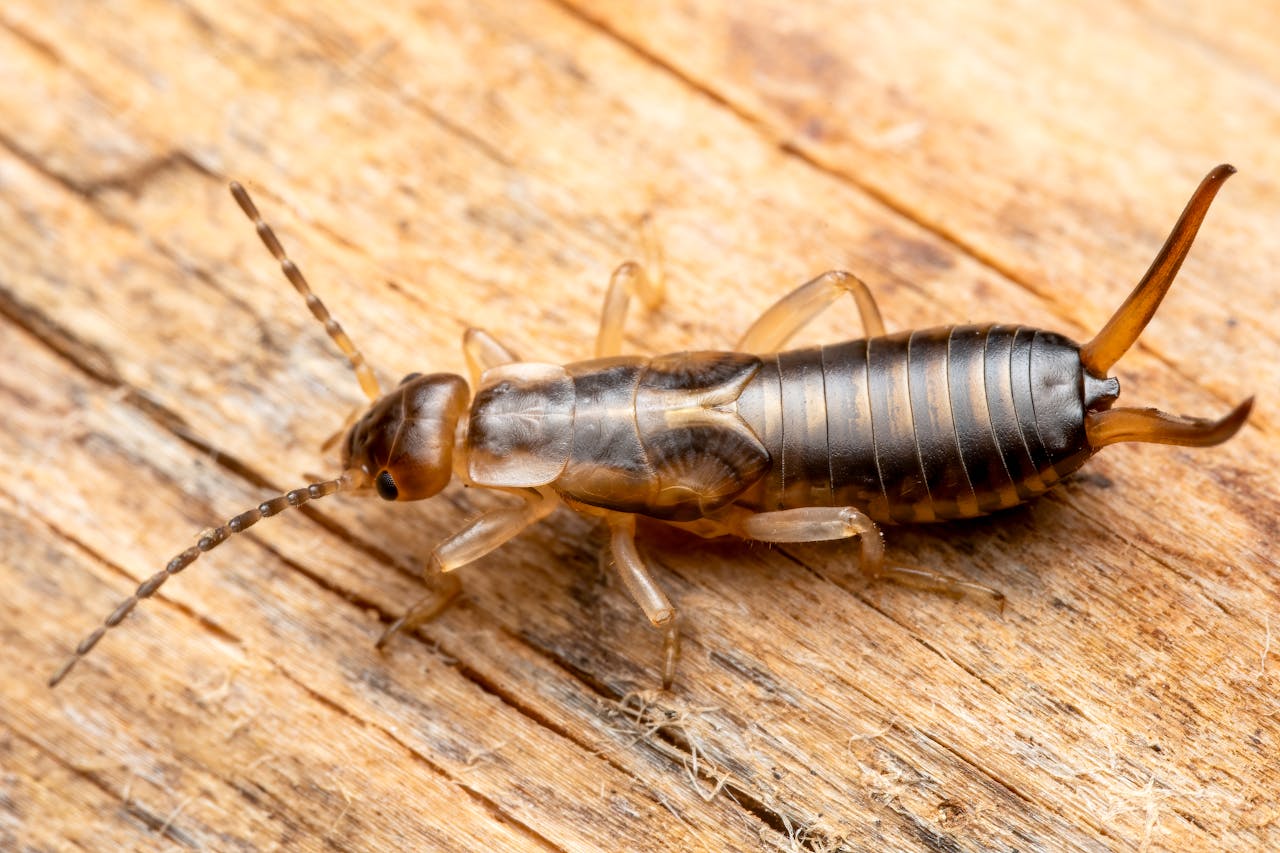
Earwigs don’t usually show up in massive swarms without a reason. They respond to specific environmental triggers like moisture, food availability, and shelter. When all three align, their population can increase dramatically in a short period. This sudden surge often leads to noticeable plant damage and a general sense that something has gone wrong in the garden. It’s not random chaos; it’s a sign that the environment favors their growth too strongly. Recognizing those conditions helps prevent future outbreaks.
Gardeners can adjust watering habits, reduce excess mulch, and clear debris to make the space less inviting. Traps made from rolled newspaper or shallow containers can also help monitor and reduce numbers. Staying proactive keeps earwigs from shifting from helpful to harmful.
7. They Become a Problem When Balance Breaks Down
Earwigs don’t start as villains, but they can absolutely become one when the garden ecosystem falls out of balance. Too many earwigs combined with limited food sources leads to plant damage that can’t be ignored. Seedlings suffer the most, as their tender growth offers an easy target. The tipping point shows up through visible damage and increased sightings. When earwigs appear everywhere and plants start to struggle, it’s time to act. Ignoring the issue allows populations to grow even further, making recovery more difficult.
Effective management focuses on restoring balance rather than wiping everything out. Reducing moisture, improving airflow, and encouraging natural predators all help bring numbers back under control. This approach protects the garden without disrupting beneficial activity.
Living With Earwigs Without Losing Your Mind
Earwigs don’t deserve a one-word label like “good” or “bad,” and that’s exactly what makes them so fascinating. They step into multiple roles depending on what the garden offers them, shifting from helpful hunters to opportunistic nibblers when conditions change. That flexibility keeps ecosystems moving, but it also demands attention from anyone trying to grow thriving plants.
What strategies have worked, or what surprising things have you noticed about these tiny pincered visitors? Share your thoughts and ideas in the comments—there’s always something new to learn in the garden.
You May Also Like…
Which Plant Pairings Naturally Reduce Pests and Improve Yields
March Garden Pests That Hide Underground
How to Protect Garden Borders From Pests
This One Winter Gardening Habit Could Be Spreading Invasive Pests Across the South
6 Garden Pests That Hibernate in Your Soil

Brandon Marcus is a staff writer for FrugalGardening.com at District Media, Inc., where he delivers practical gardening advice with a relatable, no-nonsense style. An avid amateur gardener, he holds a BA degree and with over ten years of professional writing experience, he is also an award-winning published author whose first book, Questions For Deep Thinkers, was released by Adams Media. His work has appeared in major publications including Fandom.com, CHUD.com, TheColdWire.com, and Fansided.com.
Leave a Reply