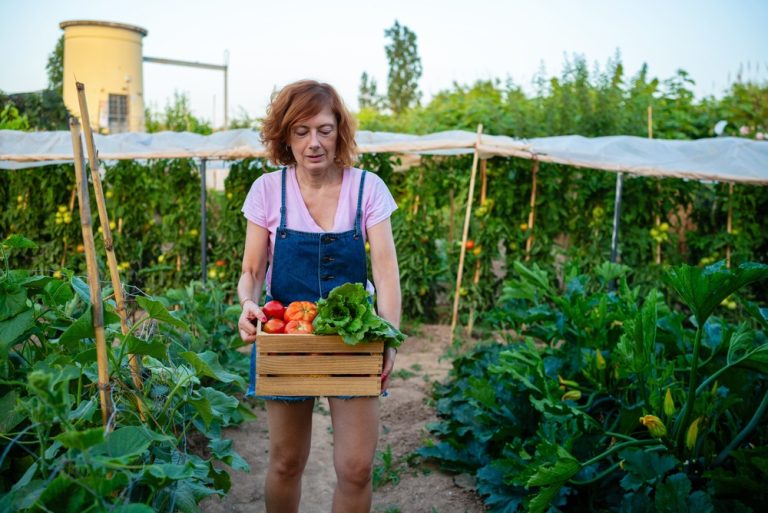
Gardening advice is full of promises that you can stop buying supplies and simply use whatever is already sitting around the house. Sometimes that’s excellent advice: fallen leaves really can replace purchased organic matter, cardboard can help create a new bed, and saved containers can eliminate the need for some new pots. Other free garden…
garden tips
10 Things You’re Throwing Away That Could Be Useful in Your Garden
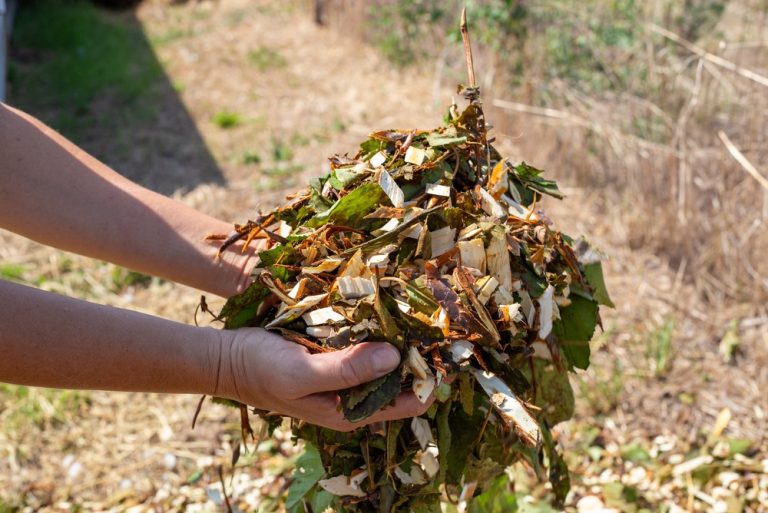
Before you buy another bag of compost, stack of seed-starting pots, or roll of weed barrier, take a look inside your recycling bin and trash can. Some of the most useful free garden materials are things households routinely throw away, from cardboard boxes and coffee grounds to fallen leaves and empty containers. That doesn’t mean…
That Cheap Bag of Potting Soil May Cost You More in the Long Run — Here’s What to Check
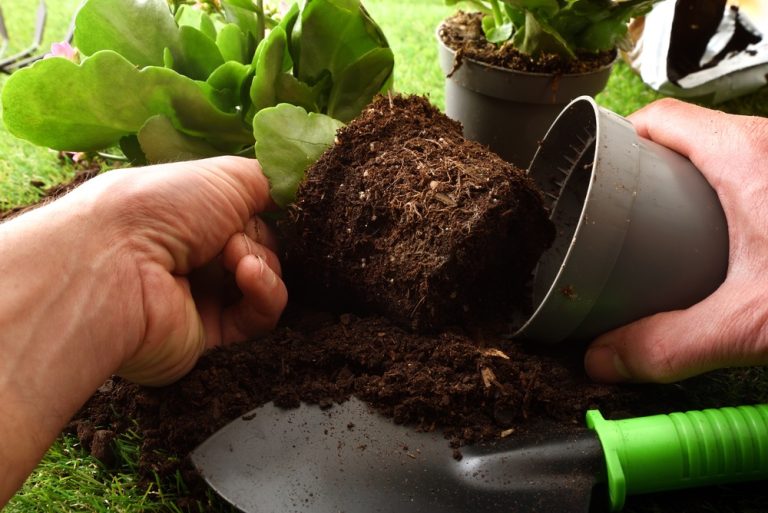
Standing in the garden center, paying $4 for a bag of cheap potting soil instead of $10 or $15 can feel like an obvious money-saving decision. Then your containers stay soggy, seedlings struggle, roots barely develop, and suddenly you’re buying replacement plants, fertilizer, perlite, or another bag of growing mix anyway. Price doesn’t automatically determine…
The Garden Center Is Clearing Out Plants — Which Fall Bargains Are Actually Worth Buying?
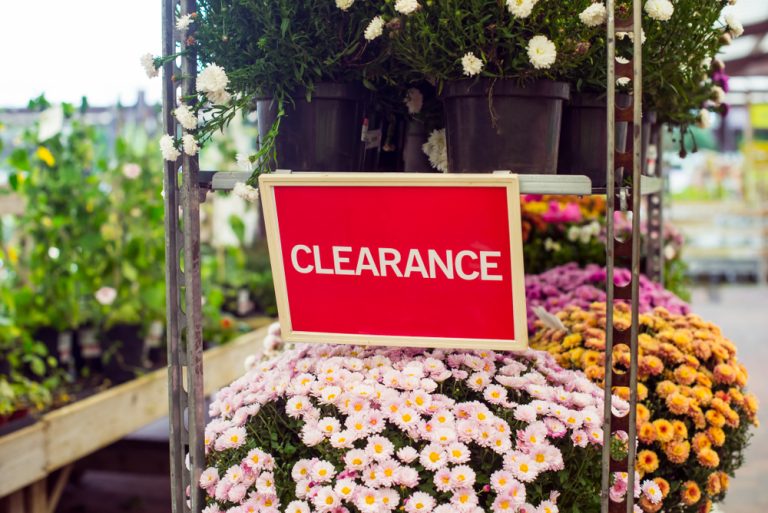
A perennial marked down from $18 to $5 can make even a disciplined gardener start rearranging flower beds in their head. By September and October, garden centers often need space more than they need another month of full-price inventory, creating opportunities for gardeners willing to overlook a few brown leaves and faded blooms. But fall…
Can a $25 Fall Garden Produce $100 Worth of Food? Let’s Run the Numbers
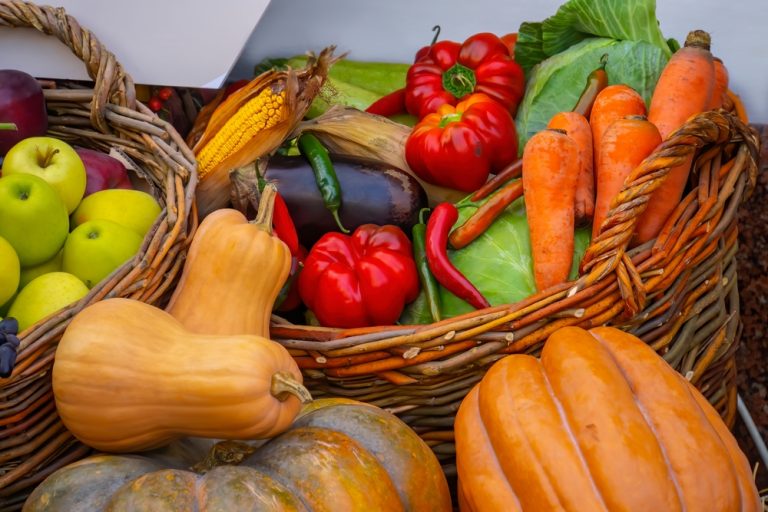
Spending $25 at the grocery store doesn’t buy much produce anymore, but could the same $25 planted in the backyard turn into $100 worth of vegetables? It’s possible, although the viral-sounding four-times-your-money return requires something many garden-budget calculations conveniently ignore: you need to already have a little infrastructure. If you own basic tools, have usable…
Can an HOA Fine You for Letting Your Lawn Go Dormant?

Your grass turns brown during a scorching, rainless summer, so you do what seems reasonable: stop pouring hundreds of gallons of water onto it and let the lawn go dormant. Then an HOA violation notice appears in the mailbox demanding that you restore the green lawn—or face a fine. It sounds absurd, especially when local…
The Native Plant Garden Looks “Messy” to the HOA — Who Gets to Decide?
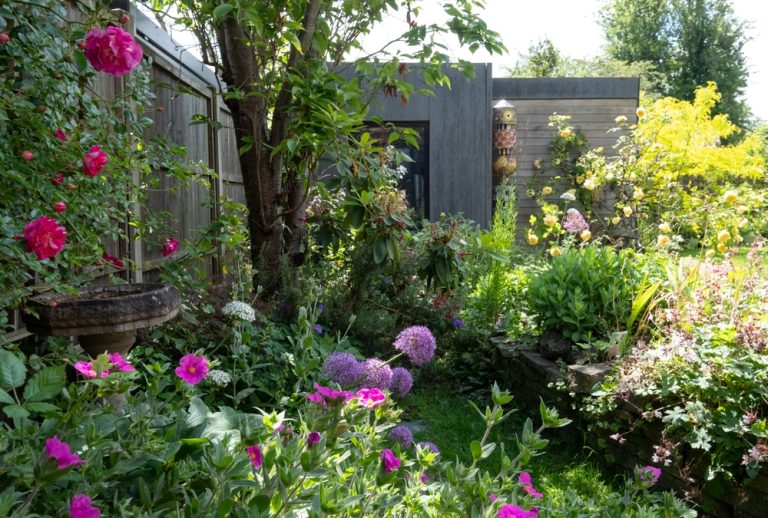
You replaced thirsty turf with coneflowers, milkweed, native grasses, and other plants that provide food and habitat for wildlife. The bees seem delighted, but then a letter arrives from the homeowners association saying your yard looks overgrown and needs to be cleaned up. HOA native plant rules are becoming a bigger issue as more homeowners…
Found a Snake Under the Mulch? Don’t Reach for It Until You Know What You’re Looking At
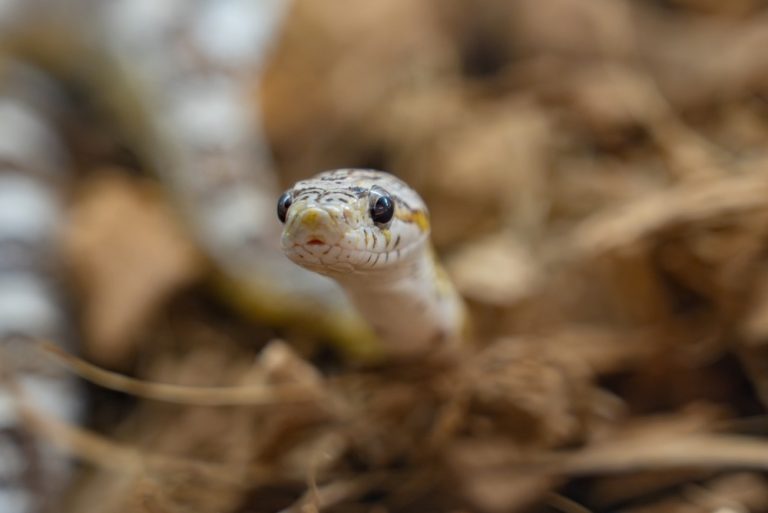
Pulling weeds or spreading mulch can produce an unwelcome surprise when something underneath suddenly starts moving. A snake tucked beneath mulch, leaves, landscape fabric, a flowerpot, or a piece of wood may have been resting there long before you disturbed its hiding place. Your first instinct might be to grab a shovel, move closer for…
5 Plants You Should Never Burn in a Backyard Fire
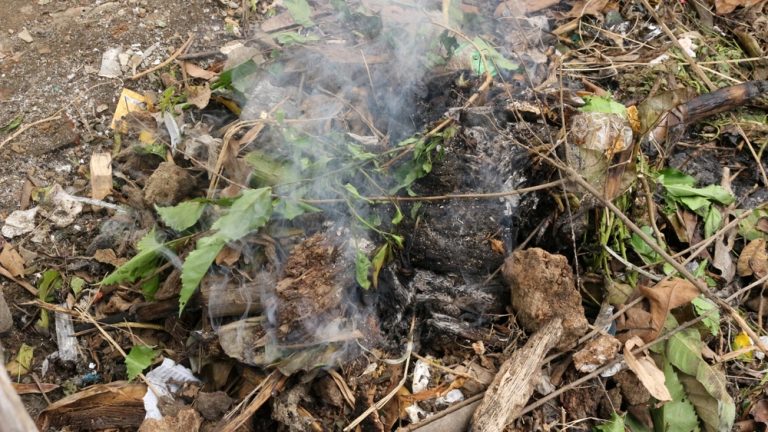
Fall cleanup can leave you staring at a pile of vines, weeds, branches, and dead plants that seems perfect for the backyard fire pit. Before striking a match, though, take a much closer look at what’s actually in that pile. Certain plants you should never burn contain oils or toxins that can become part of…
The Messy Garden Habit That Could Help Bees Survive Winter
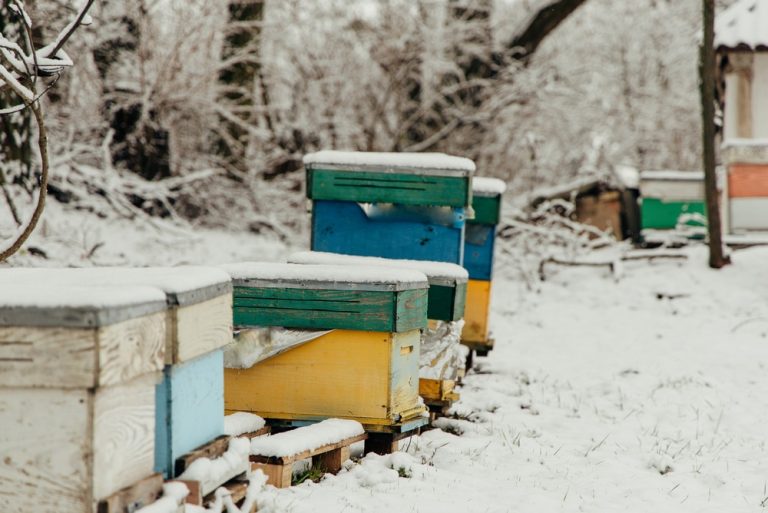
When the vegetable garden starts turning brown in fall, the instinct is often to grab the rake, pruning shears, and yard-waste bags and make everything look tidy again. But some of those dead stems, fallen leaves, bare patches of soil, and scruffy corners may be doing something more useful than making your yard look neglected….