You know that moment when gas prices go up, milk creeps toward $5 a gallon, and your jaw drops a little every time you scan the produce aisle? What if I told you there’s a way to push back — with dirt under your fingernails and big, juicy crops growing in your backyard?
When grocery prices spike, nothing feels more powerful (or more delicious) than harvesting your own food. Whether you have a sprawling yard or a tiny balcony garden, choosing the right crops can make your family a lot more resilient — and a lot less dependent on price tags.
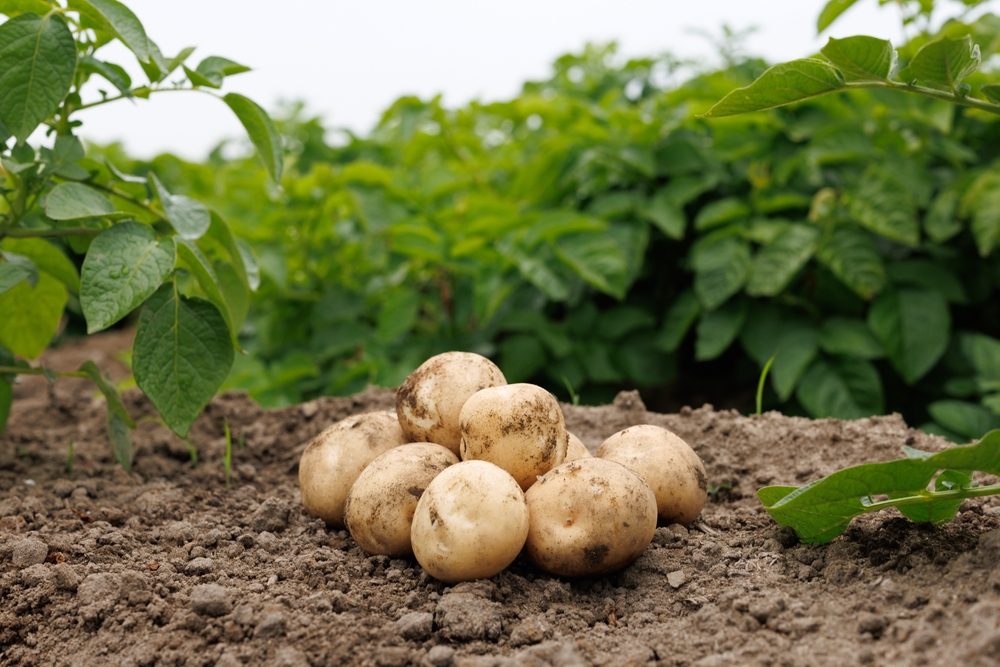
1. Potatoes — The Starchy Hero That Keeps You Full
If you’re thinking about crops that could feed a family rather than just garnish plates, potatoes have to be near the top of the list. These unassuming tubers are packed with calories and versatile enough to be mashed, roasted, baked, or fried — a comfort food even in tough times.
In a modest home garden, a 10‑foot row of potatoes can easily produce 10–20 pounds of tubers, meaning one small patch can yield lots of satiating food. They also store well through fall and winter if kept in a cool, dark place, extending your harvest long past the growing season. And the best part? Potatoes are relatively forgiving for beginners, thriving in most soil types as long as they get plenty of sunlight and consistent moisture.
2. Tomatoes — Sun‑Powered Flavor and Volume
Tomatoes might just be the queen of home garden crops — not only are they deeply satisfying to grow, but they also deliver serious bang for your gardening buck. A few well‑placed tomato plants can produce pounds of fruit over a long season, and with proper harvesting and preservation (think canning or freezing), you can enjoy your bounty well into winter.
Whether you love them fresh on sandwiches, simmered into sauces, or roasted with herbs, tomatoes are one of the most rewarding crops for home growers. And since store prices often fluctuate for tomatoes depending on season and supply chain disruptions, having your own vines pumping out fruit feels like culinary insurance.
3. Beans — Protein‑Rich Powerhouses That Keep Giving
Don’t overlook beans — particularly pole beans — when thinking about garden staples that boost food security. Beans are fantastic because they’re not just vegetables; they’re legumes, meaning they bring valuable protein and fiber to your meals. Pole bean varieties like Kentucky Wonder or yard‑long beans grow upward on trellises, saving space and delivering harvest after harvest if picked regularly.
You can eat them fresh, freeze them, or even dry them for storage, making them flexible in both preparation and preservation. In a scenario where grocery prices are unpredictable, having a steady supply of homegrown beans could noticeably reduce trips to the store and keep your family well‑nourished.
4. Zucchini and Summer Squash — The Giants of Garden Productivity
Welcome to the world of zucchini, the crop that’s so prolific gardeners joke about giving it away (and sometimes they do!). One zucchini plant can pump out 6–10 pounds of fruit over a growing season, and even more for vining summer squash varieties.
These plants thrive in warm weather and are wonderfully versatile in the kitchen — spiralized into noodles, baked into bread, tossed into ratatouille, or simply grilled with olive oil and salt. In addition to the fun of harvesting these abundant vegetables, they also store well in the fridge for several days, letting you pace your meals without rushing to use them before they go limp.
5. Leafy Greens — Fast, Nutritious, and Continuously Harvestable
Spinach, lettuce, kale, and Swiss chard are all leafy greens that thrive in home gardens and give you cut‑and‑come‑again harvests — meaning you can snip off leaves regularly without uprooting the whole plant.
These greens are rich in vitamins like A, C, and K, and can be tossed into salads, stir‑fries, soups, and smoothies, adding nutrition without requiring huge space or long growing seasons. They’re especially great if you plant in succession (staggered planting dates), so as soon as one crop winds down, another is ready to pick. Having a backyard supply of greens keeps your meals fresh and colorful even when store‑bought options get pricey or scarce.
6. Sweet Potatoes and Winter Squash — Long‑Storage Champions
While summer squash is great for immediate eating, sweet potatoes and winter squash varieties like butternut or acorn shine when it comes to storage and calories. Sweet potatoes pack both carbohydrates and beta‑carotene, helping keep energy levels up, and they typically yield several pounds per plant.
Winter squash sports thick skins that make them ideal for long storage — some varieties can keep for months in a cool, dry spot without spoiling. Whether baked, mashed, or added to stews, these crops bring both substance and longevity to your kitchen rotation.
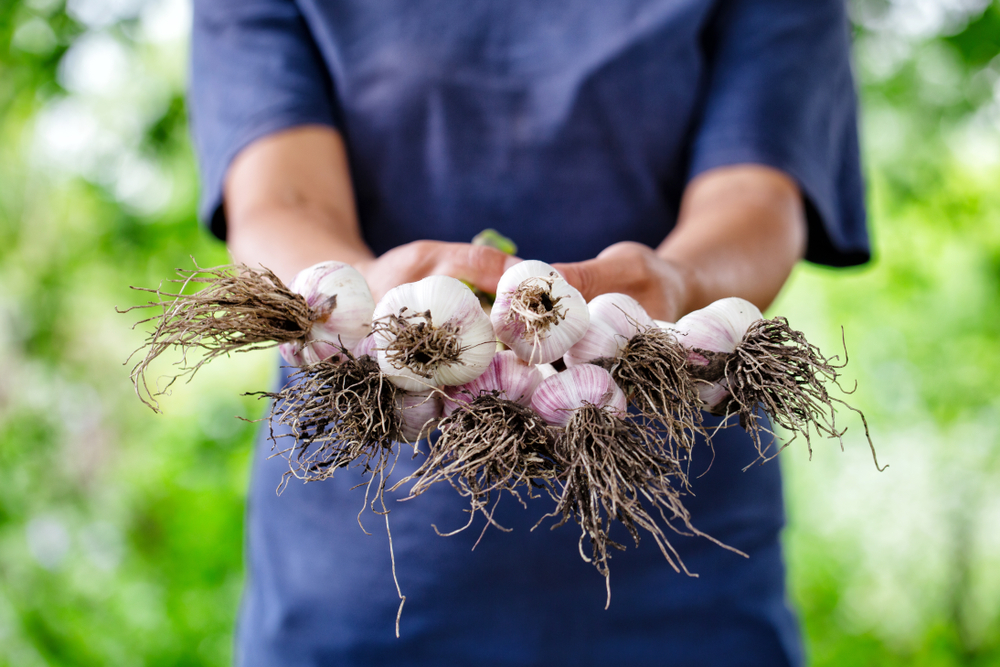
7. Onions and Garlic — Kitchen Staples That Keep Flavor and Storage Power
If hearty crops like potatoes are the backbone of your garden pantry, onions and garlic are the flavor gods that make every meal sing. Both grow easily in many climates and store well through winter, meaning you’ll have aromatic, essential ingredients on hand when grocery store prices climb.
Growing onions isn’t all that difficult, and they can be planted for midsummer to fall harvests. When cured and stored properly, they last for months. Garlic planted in fall can overwinter and be harvested the following summer, filling your shelves with cloves that elevate soups, sauces, and sautés.
8. Cucumbers and Peppers — Fresh Crunch and Heat for Every Meal
Last but far from least are cucumbers and peppers — juicy, refreshing, and often expensive per pound at the grocery store. Cucumbers, especially vining types trained up trellises, can yield dozens of fruits over a season, perfect for salads, snacking, or pickling. Peppers, whether sweet bell peppers or fiery hot ones, also produce heavily once established and can be eaten fresh, roasted, or preserved in jars of chili sauce.
These crops add variety, color, and flavor to your garden table and help stretch family meals without a visit to the produce aisle.
Grow More, Spend Less — Turning Dirt Into Dinner
Planting a garden isn’t just about saving money — it’s about building confidence, enjoying fresh flavors, and creating resilience when food prices aren’t playing nice. Whether you’re an experienced gardener or just getting started with a few containers on a balcony, focusing on high‑yield, nutrient‑rich crops can make a real difference in what’s on your family’s plate.
Consider pairing these crops with preservation techniques like canning, freezing, and drying to keep your harvest working for you year‑round — and remember, gardening is as much a journey as it is a harvest.
What crops are already saving you money or feeding your family when grocery prices get wild? Drop your favorites and tips in the comments.
You May Also Like…
How to Use Grocery Scraps to Grow a Second Harvest
How to Start a Frugal Grocery Garden for Less Than $20
12 Foods You Should Stop Buying Now to Save Money at Any Grocery Store
7 Vegetables That Perform Better in Cooler Starts
7 Vegetables That Tolerate Cold Starts

Brandon Marcus is a staff writer for FrugalGardening.com at District Media, Inc., where he delivers practical gardening advice with a relatable, no-nonsense style. An avid amateur gardener, he holds a BA degree and with over ten years of professional writing experience, he is also an award-winning published author whose first book, Questions For Deep Thinkers, was released by Adams Media. His work has appeared in major publications including Fandom.com, CHUD.com, TheColdWire.com, and Fansided.com.
Leave a Reply