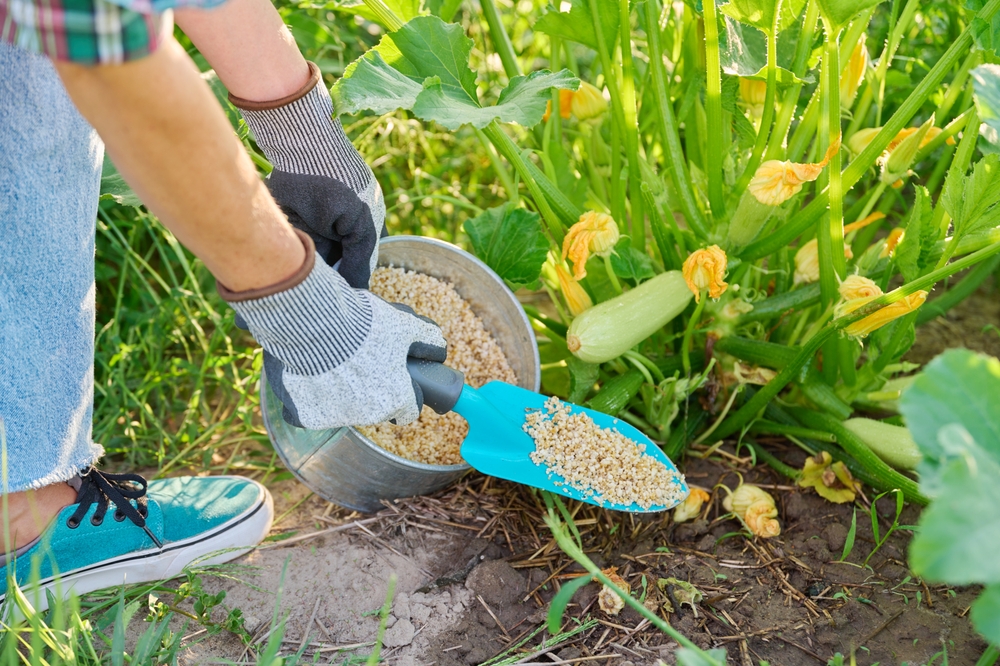
If you’ve ever lovingly sprinkled an “all‑natural,” “eco‑friendly,” or “organic” fertilizer around your tomatoes, peppers, or herbs—only to watch them wilt, yellow, or collapse like they’ve given up on life—you’re not alone. Across the country, gardeners are reporting a frustrating pattern in 2026: certain organic fertilizers are causing unexpected plant stress, stunted growth, and even full‑on crop failure.
While it’s tempting to imagine a dramatic recall or a villainous bag of compost plotting against your garden, the truth is far less scandalous and far more fixable. The issue isn’t that organic fertilizers are dangerous—it’s that some products are being reformulated, repackaged, or quietly phased out, and gardeners are getting caught in the transition.
Why Some Organic Fertilizers Are Quietly Disappearing From Store Shelves
Retailers rotate inventory constantly, and gardening products are no exception. In 2026, several organic fertilizers have been reformulated or replaced due to supply‑chain changes, ingredient sourcing issues, or updated labeling requirements. When this happens, stores often pull older batches to make room for new versions.
These aren’t “dangerous” products—they’re simply outdated or inconsistent with new standards. But here’s where gardeners get tripped up: older bags may contain ingredients that behave differently than expected, especially if they’ve been stored for too long. Moisture exposure, clumping, nutrient breakdown, or microbial changes can all affect how a fertilizer performs.
The Real Culprit: Fertilizers With Too Much Nitrogen or Unbalanced Nutrients
Many organic fertilizers rely on natural ingredients like manure, composted plant matter, or feather meal. These materials are effective, but they can vary from batch to batch. When nitrogen levels are too high—or when the fertilizer releases nutrients too quickly—plants can suffer. Tomatoes, peppers, and leafy greens are especially sensitive to nutrient imbalances. Too much nitrogen can cause lush leaves but weak stems, delayed fruiting, or sudden wilting. In some cases, it can even burn roots.
Gardeners often assume the fertilizer is “bad,” but the real issue is that the nutrient profile doesn’t match what the plant needs at that moment. This is why some products are being reformulated: manufacturers are trying to create more consistent blends that won’t overwhelm sensitive crops.
How Storage Conditions Can Turn a Good Fertilizer Into a Problem
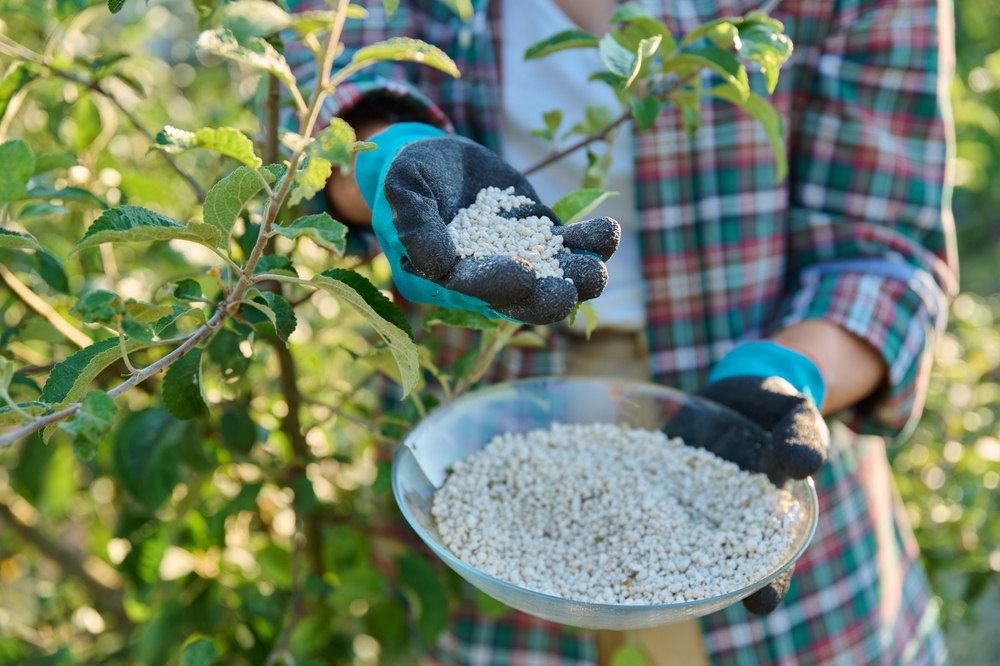
Organic fertilizers are living materials. If a bag sits in a warehouse or garage for too long, especially in humid or hot conditions, the ingredients can degrade. Moisture can cause clumping or mold growth. Heat can accelerate nutrient breakdown. Even exposure to air can change how quickly the fertilizer releases nutrients.
When gardeners unknowingly buy an older bag, they may apply a product that behaves unpredictably. This isn’t a safety issue—it’s a performance issue. And it’s one of the biggest reasons gardeners are reporting crop failures linked to fertilizers that should have helped, not harmed.
The Most Common Symptoms Gardeners Are Seeing in 2026
The problems linked to inconsistent organic fertilizers tend to show up in predictable ways. Plants may yellow suddenly, especially between the veins. Leaves may curl, wilt, or develop brown edges. Growth may stall, even when the plant has plenty of water and sunlight. Fruit production may slow or stop entirely. In severe cases, seedlings collapse shortly after fertilizing.
These symptoms mimic nutrient burn, nutrient lockout, or soil imbalance—all of which can happen when a fertilizer releases nutrients too quickly or unevenly. The key is recognizing the pattern early so you can correct it before the plant declines further.
The Cheapest Fix: Dilute, Don’t Dump
If you suspect your fertilizer is too strong or too fast‑acting, the easiest and cheapest solution is dilution. Mixing the fertilizer with compost, soil, or water can reduce the nutrient concentration and make it safer for sensitive plants. For liquid fertilizers, simply cutting the recommended dose in half can prevent nutrient burn.
For granular fertilizers, blending them with compost or applying them more sparingly can make a huge difference. This approach costs nothing and often solves the problem immediately. Many gardeners discover that their plants perk up within days once the nutrient load is reduced.
Compost to the Rescue: Your Garden’s Most Reliable Buffer
Compost is the great equalizer in the gardening world. When a fertilizer is too strong, compost helps balance the soil. If nutrients are uneven, compost helps stabilize them. And when plants are stressed, compost improves soil structure and moisture retention.
Adding compost around struggling plants can help dilute excess nutrients and restore soil health. It’s one of the cheapest and most effective ways to fix fertilizer‑related problems. And because compost releases nutrients slowly, it won’t overwhelm your plants the way some fertilizers can.
How to Avoid Fertilizer Problems in the Future
The best way to prevent fertilizer‑related crop failures is to take a few simple precautions. First, check the manufacturing date on the bag—newer is better. Second, store fertilizers in a cool, dry place to prevent nutrient breakdown. Third, start with smaller doses and increase gradually as your plants respond. Fourth, choose fertilizers designed specifically for the crops you’re growing.
And finally, keep an eye on your plants after feeding them; early signs of stress are easier to fix than late‑stage decline. These habits cost nothing but can save your garden from unnecessary setbacks.
Healthy Gardens Don’t Need Fancy Fertilizers, Just Smart Choices
The fertilizer issues gardeners are reporting in 2026 aren’t about danger—they’re about inconsistency. Organic fertilizers are still safe, effective, and environmentally friendly, but like all natural products, they can vary. With a little awareness and a few cheap fixes, you can avoid the pitfalls and keep your garden thriving.
What’s the most surprising fertilizer issue you’ve ever run into in your garden? How are you using your fertilizer this year and what success are you finding? Let’s hear about it in the comments.
You May Also Like…
9 Flowers That Thrive With Less Fertilizer Than You Think
6 Vegetables That Don’t Need Premium Fertilizers
Why Your Houseplants Need a “Vacation” from Fertilizer Right Now
The Smart Gardener’s Guide: 4 Low-Cost Organic Fertilizers
Why You Should Rethink Fall Fertilizer Applications

Brandon Marcus is a staff writer for FrugalGardening.com at District Media, Inc., where he delivers practical gardening advice with a relatable, no-nonsense style. An avid amateur gardener, he holds a BA degree and with over ten years of professional writing experience, he is also an award-winning published author whose first book, Questions For Deep Thinkers, was released by Adams Media. His work has appeared in major publications including Fandom.com, CHUD.com, TheColdWire.com, and Fansided.com.
Leave a Reply