Once upon a time, the biggest HOA battles were about mailbox colors and lawn height. Fast forward to 2026, and a new, much more personal fight is growing—literally. Backyard gardens, once celebrated as wholesome, sustainable, and neighbor-friendly, are increasingly landing in the crosshairs of homeowner’s associations across the country.
For many residents, that small patch of tomatoes, peppers, and herbs isn’t just a hobby; it’s stress relief and mentally stimulating, while providing food security, family bonding, and a tiny act of independence. And that’s exactly why the tension feels so intense. This isn’t just about plants—it’s about control, community, and who really gets to decide what your “home” looks like.
The Quiet Collision Between HOAs and Homegrown Food
Homeowners’ associations were originally created to maintain property values and community standards, and in many neighborhoods, they’ve done exactly that. Clean streets, consistent aesthetics, and predictable rules make many homeowners feel safe and protected. But gardening doesn’t always fit neatly into those tidy guidelines. Raised beds, compost bins, trellises, rain barrels, and even pollinator-friendly landscaping can clash with traditional HOA visions of uniform lawns and manicured yards.
As more people turn to gardening for sustainability, wellness, and rising grocery costs, those conflicts are becoming more common. The result is a growing wave of warnings, fines, and enforcement actions that catch resident’s completely off guard.
Why Backyard Gardens Are Suddenly a “Problem”
The rise in backyard gardening isn’t random—it’s part of a bigger lifestyle shift. People are more focused on food quality, environmental impact, and self-sufficiency than ever before. Gardens symbolize independence, resilience, and a return to basics, which resonates deeply in a fast-paced, high-cost world.
From an HOA perspective, though, gardens can be viewed as inconsistent landscaping, potential pest risks, or visual clutter if not tightly regulated. The clash isn’t about carrots and cucumbers; it’s about competing values. One side sees beauty in sustainability and self-reliance, while the other sees risk to uniformity and property standards.
The Legal Gray Area That Fuels the Conflict
Here’s where things get complicated. HOAs operate under covenants, conditions, and restrictions that homeowners agree to when they buy property. These documents often give associations broad authority over landscaping, exterior structures, and yard appearance. At the same time, some states and cities have passed “right-to-garden” or “right-to-farm” protections that support residential food production. That creates a confusing legal landscape where local protections and private HOA rules can collide.
Homeowners often assume gardening is automatically allowed, while HOAs assume enforcement power is absolute. This gray area leads to disputes that feel deeply personal, legally complex, and emotionally charged.
What These Crackdowns Look Like in Real Life
This isn’t usually about dramatic lawsuits right out of the gate. It starts small: a warning letter about raised beds, a notice about “unauthorized structures,” or a fine for “nonconforming landscaping.” Compost bins get flagged, trellises get labeled as fencing violations, and front-yard gardens are often treated as code violations.
For homeowners, it feels invasive and demoralizing, especially when the garden is well-maintained and clearly cared for. For HOAs, it feels like rule enforcement and consistency. That gap in perspective is what makes these conflicts escalate so quickly and emotionally.
How Homeowners Can Protect Their Gardens Without Starting a War
If you’re a gardener in an HOA community, knowledge is your best tool. Start by reading your regulations carefully, especially sections on landscaping and exterior modifications. Many documents allow gardens but regulate visibility, size, and placement.
Communication matters too—approaching the HOA board proactively, explaining your plans, and showing how your garden will remain neat and visually appealing can make a huge difference. Some homeowners also work with neighbors to build support, which can influence board decisions and community standards over time. And if conflicts escalate, mediation is often far more productive than confrontation.
Why This Issue Is About More Than Just Plants
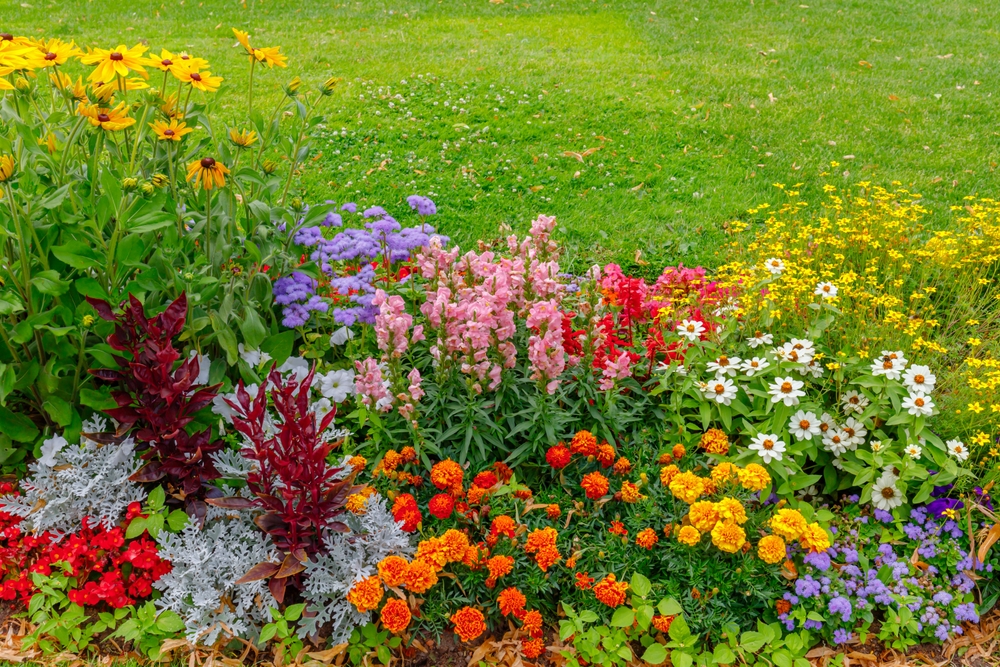
Backyard gardening isn’t just a trend—it’s a cultural shift. It represents health, sustainability, independence, and resilience in uncertain times. When HOAs push back against gardens, people don’t just feel regulated—they feel restricted in how they live their values.
This is why these disputes feel so emotional and symbolic. It’s not about dirt and seeds; it’s about autonomy, identity, and the meaning of “home.” In 2026, this tension is becoming a defining issue in suburban communities, reflecting deeper questions about freedom, control, and modern living.
A Growing Movement Toward Balance, Not Bans
Not all HOAs are cracking down, and that’s important to remember. Some communities are updating guidelines to allow structured gardens, designated planting areas, and eco-friendly landscaping standards. Others are creating garden-friendly rules that balance aesthetics with sustainability. This shows that compromise is possible when communities recognize changing lifestyles and priorities.
The future doesn’t have to be a battle between beauty and function—it can be a redesign of what beauty even means. A neat garden can be just as visually appealing as a perfect lawn and often far more meaningful.
When Gardens Become a Statement of Freedom
The real story here isn’t just enforcement—it’s transformation. Backyard gardens are becoming quiet symbols of independence, sustainability, and modern living. As HOAs and homeowners navigate this new reality, the communities that thrive will be the ones willing to adapt rather than resist. Gardens aren’t going away, and neither are HOAs.
Do you think HOAs should have the power to restrict backyard gardens, or should food-growing be considered a basic homeowner right? Share your thoughts in the comments.
You May Also Like…
New HOA Rules That Are Changing How People Garden in 2026
9 Reasons Your Lawn Might Be Violating HOA Rules
Why Some States Are Cracking Down on Rain Barrels Again
Is Growing Herbs at Home Still a Money Saver?
8 Free Garden Materials People Throw Away Every Week

Brandon Marcus is a staff writer for FrugalGardening.com at District Media, Inc., where he delivers practical gardening advice with a relatable, no-nonsense style. An avid amateur gardener, he holds a BA degree and with over ten years of professional writing experience, he is also an award-winning published author whose first book, Questions For Deep Thinkers, was released by Adams Media. His work has appeared in major publications including Fandom.com, CHUD.com, TheColdWire.com, and Fansided.com.
Leave a Reply