You’re standing in your yard, coffee in hand, admiring your garden, when you find out one of your favorite plants could actually get you fined. Not because it’s ugly. Not because it’s poisonous. But because it’s illegal. Across the U.S., dozens of plants are restricted or outright banned due to the damage they cause to ecosystems, agriculture, water systems, and native wildlife.
Some of them are still sold online, traded between neighbors, or growing quietly in backyards everywhere. Here is how you can save yourself from headaches, fines, and environmental harm, while making yourself smarter about what’s growing in your soil.
1. Kudzu: The Vine That Eats the South (Literally)
Kudzu isn’t just invasive—it’s legendary. Originally introduced to the U.S. for erosion control, this fast-growing vine now blankets roadsides, trees, abandoned buildings, and entire landscapes across the southern and southeastern states. It grows so aggressively that it can smother native plants, collapse structures, and choke forests by blocking sunlight. Because of this, several states classify kudzu as a noxious weed, meaning planting or transporting it can trigger fines or penalties.
Some people still romanticize it as a “green wall” plant, not realizing they’re basically planting botanical chaos. If you see a vine growing like it’s in a time-lapse video, that’s your cue to investigate before it becomes a legal and ecological problem.
2. Giant Hogweed: The Plant That’s Dangerous and Illegal
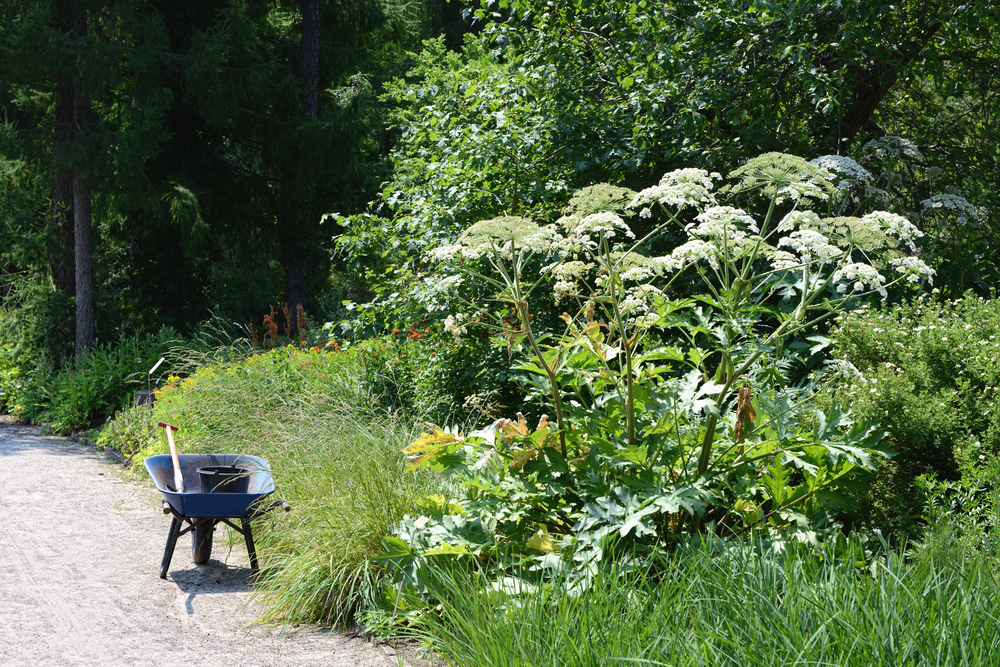
This one looks like something out of a fantasy movie—massive leaves, towering height, and umbrella-shaped white flowers. But giant hogweed isn’t magical; it’s medically dangerous. Its sap can cause severe skin burns and long-term photosensitivity when exposed to sunlight. Because of these risks and its invasive nature, it’s restricted or banned in many states.
Handling it without protective gear is dangerous, and cultivating it can lead to fines or mandated removal. What makes it extra sneaky is how similar it looks to harmless plants like Queen Anne’s lace. If you ever see a plant that looks oversized and suspiciously prehistoric, don’t touch it—report it.
3. Japanese Knotweed: The Backyard Destroyer
Japanese knotweed is the definition of “looks harmless, causes chaos.” It grows fast, spreads underground through aggressive root systems, and can crack concrete, damage foundations, and destroy drainage systems. Some states consider it a regulated invasive species, meaning planting or knowingly allowing it to spread can result in penalties.
It’s notoriously hard to remove, often requiring professional intervention. People often inherit it unknowingly when buying property, which turns a dream home into a long-term landscaping nightmare. This is one plant where prevention is truly easier than cure.
4. Purple Loosestrife: Pretty, Purple, and a Legal Problem
This one fools people constantly. Purple loosestrife is beautiful—tall stalks of purple flowers that look like something out of a wildflower catalog. But it destroys wetlands by crowding out native plants and disrupting ecosystems that birds, fish, and insects depend on.
Many states ban its sale, transport, and planting entirely. It spreads rapidly in wet areas and waterways, making it especially harmful to lakes, rivers, and marshlands. Moral of the story: pretty doesn’t mean harmless, and in this case, pretty can be very illegal.
5. Water Hyacinth: The Floating Menace
Water hyacinth looks like a peaceful pond plant with soft purple flowers, but it’s one of the most invasive aquatic plants in the country. It forms dense mats on water surfaces, blocks sunlight, depletes oxygen, kills fish, and clogs waterways. Several states prohibit owning, selling, or releasing it into water systems. It spreads rapidly and is nearly impossible to control once established.
If you’re into backyard ponds or water gardens, this is one plant that can turn your peaceful setup into a legal and environmental disaster fast.
6. Bamboo: Not All Zen, Not All Legal
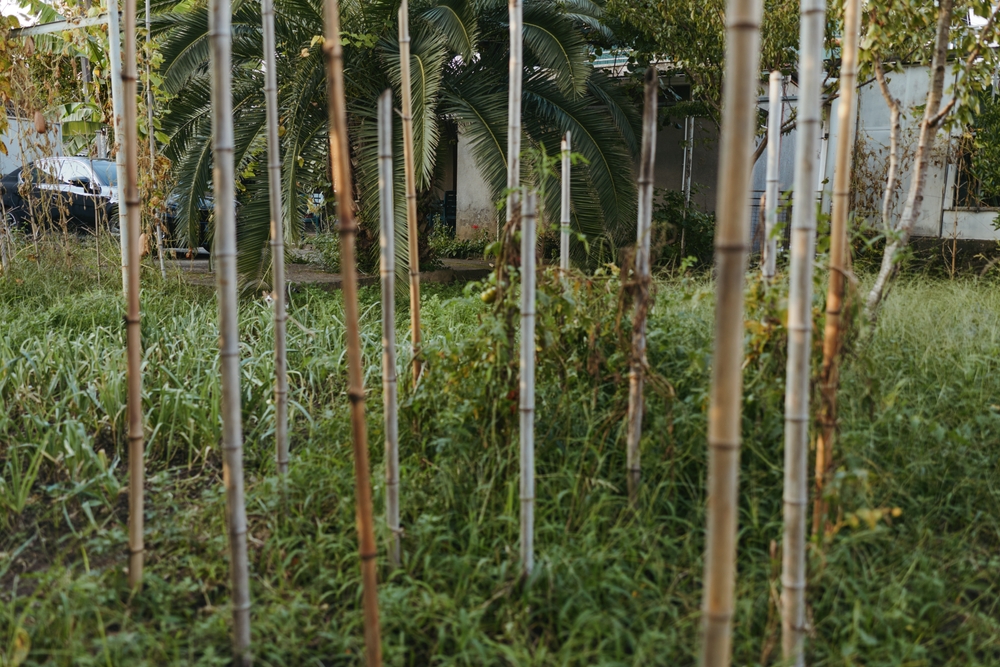
Surprise—bamboo isn’t just a décor trend, it’s a legal headache in some areas. Certain running bamboo species spread aggressively through underground rhizomes, invading neighboring properties and damaging foundations, sidewalks, and pipes. Some states and municipalities regulate or restrict planting invasive bamboo species.
Homeowners have faced lawsuits, fines, and mandatory removal orders because of it. If you’re dreaming of a zen garden moment, make sure you’re choosing clumping bamboo varieties that are legal and non-invasive in your area.
7. Bradford Pear: The Tree Everyone Regrets Planting
Once popular for landscaping, Bradford pear trees are now widely criticized for their weak structure, invasive spread, and damage to native ecosystems. Several states have banned their sale and cultivation due to their role in displacing native plants and creating unstable hybrid species.
They’re also notorious for splitting during storms and smelling unpleasant when they bloom. This is one of those plants that went from “landscaping favorite” to “environmental liability” surprisingly fast.
8. Chinese Tallow: The “Popcorn Tree” with a Dark Side
Chinese tallow trees, sometimes called popcorn trees, spread aggressively and outcompete native species. They alter soil chemistry, damage wildlife habitats, and spread rapidly through seeds.
Multiple states restrict or ban planting them because of their ecological impact. What looks like a charming shade tree can quietly destabilize entire ecosystems if left unchecked.
Why These Laws Exist (And Why They Matter)
These laws aren’t about micromanaging your garden—they’re about protecting ecosystems, water systems, agriculture, infrastructure, and public safety. Invasive species cost billions in environmental damage and control efforts every year. They crowd out native plants, disrupt wildlife habitats, increase flooding risks, and create long-term economic damage.
The fines exist because prevention is cheaper than cleanup, and personal landscaping choices can have massive ripple effects beyond your property line.
The Smart Gardener’s Advantage: Know Before You Grow
Staying legal and eco-friendly isn’t hard when you’re informed. Check your state’s invasive species list before planting. Buy from reputable nurseries. Choose native plants whenever possible—they’re low-maintenance, beautiful, and environmentally friendly.
If you already have a questionable plant, don’t panic—look into safe removal and disposal methods. Smart gardening isn’t just about aesthetics anymore; it’s about responsibility, sustainability, and avoiding expensive mistakes.
The Real Root of the Issue: Your Garden Has Power
Your yard isn’t just decoration. It’s part of a living ecosystem. Every plant you choose affects soil health, wildlife, water systems, and neighboring land. Choosing responsibly protects your community, your environment, and your wallet. The truth is, gardening has gone from a hobby to a form of environmental stewardship, and every choice matters more than most people realize.
So tell us: have you ever discovered a plant in your yard that turned out to be invasive or illegal where you live? Share your stories in the comments below.
You May Also Like…
NC State Agriculture Officials Issue New Alert About an Invasive Pest Moving Into Backyards
State Experts Warn: This Invasive Vine Is Spreading Faster Than Expected
7 Plants That Attract Dangerous Pests without You Realizing It
10 Hidden Dangers Lurking in Your Backyard Mulch
These 10 Plants Fix Bad Soil — Without Costly Amendments

Brandon Marcus is a staff writer for FrugalGardening.com at District Media, Inc., where he delivers practical gardening advice with a relatable, no-nonsense style. An avid amateur gardener, he holds a BA degree and with over ten years of professional writing experience, he is also an award-winning published author whose first book, Questions For Deep Thinkers, was released by Adams Media. His work has appeared in major publications including Fandom.com, CHUD.com, TheColdWire.com, and Fansided.com.
Leave a Reply