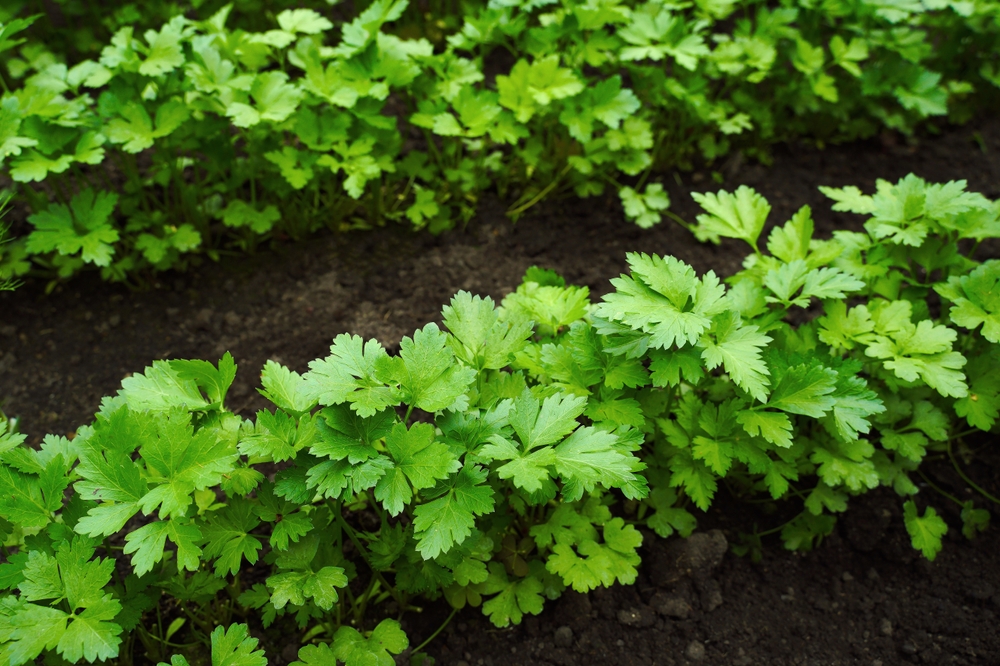
The tomatoes are slowing down, the pepper plants look increasingly tired, and the zucchini has finally stopped behaving like it owns the neighborhood. Herbs, meanwhile, often keep sending out fresh leaves long after the summer vegetable garden starts calling it a season. That makes herbs some of the most useful plants to keep around when the big summer harvest begins to fade.
A few well-chosen herbs can provide fresh flavor for soups, roasted vegetables, sauces, eggs, stuffing, and countless other cold-weather meals. Some handle cool weather surprisingly well, while others keep producing as long as gardeners protect them from hard freezes. Better yet, many need less space and fuss than the vegetables that occupied the garden earlier in the season.
1. Parsley
Parsley often gets treated like a garnish that sits sadly on the edge of a plate, but the plant deserves much more respect in the garden. Flat-leaf parsley and curly parsley both tolerate cool weather, and gardeners can continue picking leaves well after many summer herbs have slowed down. The plant grows a rosette of leaves close to the soil, which makes it particularly handy for harvesting a little at a time.
Regular harvesting encourages gardeners to keep the plant useful instead of letting a giant clump of leaves become an overlooked green blob. Snip outer stems first and leave the newer growth toward the center so the plant can keep producing fresh leaves. Parsley also works beautifully in containers, which makes it an easy choice when the vegetable beds have already filled their dance cards.
2. Chives
Chives bring an almost unfair amount of usefulness to a small patch of soil. Their slender leaves tolerate cool temperatures, and gardeners can cut them repeatedly during the growing season without needing to yank up the entire plant. A few snips can turn scrambled eggs, baked potatoes, soups, salads, and creamy dips from ordinary to considerably more interesting.
Cut the leaves close to the base when they get long or floppy, and fresh growth will follow while conditions remain suitable. Chives also produce edible flowers in late spring and early summer, but the leaves remain the main attraction for cooks. Established plants return year after year, so one planting can become a dependable part of the herb garden rather than another annual chore.
3. Sage
Sage looks almost built for the transition from summer to cooler weather, thanks to its woody stems and slightly fuzzy leaves. The plant handles cool conditions well, and gardeners can continue harvesting leaves for roasted vegetables, poultry dishes, beans, stuffing, and browned-butter sauces. Its sturdy texture also means a little sage goes a long way, which helps prevent the classic problem of buying a bunch for one recipe and watching the rest collapse in the refrigerator.
Gardeners should harvest the leafy tips rather than stripping every leaf from a woody stem. Good drainage matters because sage dislikes consistently wet soil, particularly when cool weather slows evaporation. In colder regions, gardeners can enjoy sage until frost and then protect established plants with a light layer of mulch, while gardeners in milder climates may continue harvesting much longer.
4. Thyme
Thyme may look modest beside a towering tomato plant, but its small leaves pack plenty of flavor. This perennial herb handles cool weather well and can continue supplying fragrant sprigs when summer vegetables begin disappearing from the garden. Gardeners can tuck thyme beside paths, along bed edges, or into containers where its low-growing habit makes excellent use of otherwise awkward space.
Frequent light harvesting helps gardeners keep the plant compact and useful. Snip the tender leafy stems rather than cutting deep into old woody growth, especially late in the season. Thyme also dries easily, so a gardener can preserve extra sprigs instead of letting a late-season harvest go to waste.
5. Oregano
Oregano often becomes one of those herbs gardeners appreciate more with every passing month. The plant spreads readily once established, and its flavorful leaves remain useful for pasta sauces, roasted vegetables, beans, pizza, soups, and marinades. Cool weather does not immediately shut it down, so gardeners can keep clipping sprigs after many heat-loving crops start looking distinctly unimpressed with the calendar.
Cut stems above a set of leaves to encourage fresh branching while conditions remain favorable. Oregano prefers well-drained soil and plenty of sunlight, and soggy ground can create far more trouble than a cool evening. In colder climates, gardeners can harvest heavily before hard freezes and dry the remaining leaves for winter cooking.
6. Mint
Mint possesses a remarkable talent for surviving the garden equivalent of a bad haircut. Cut it back, harvest handfuls of leaves, or forget about it for a while, and established plants often keep sending up new growth while temperatures remain moderate. That persistence makes mint particularly useful late in the season, although its enthusiasm can become a problem if gardeners plant it directly in open soil.
Containers provide a much better leash for this vigorous herb. Gardeners can snip leaves for tea, sauces, desserts, fruit dishes, and cool drinks while leaving enough foliage for continued growth. Keep harvesting regularly, and move container-grown mint into a protected location before hard freezes if a longer harvest sounds appealing.
7. Rosemary
Rosemary can keep supplying fragrant needles after summer vegetables have packed up their gardening bags, especially in regions with mild autumn weather. Its woody growth handles dry conditions better than many tender herbs, and gardeners can snip small sprigs for roasted potatoes, vegetables, chicken, breads, and stews. The plant also brings an evergreen quality to the garden, although gardeners in cold climates should treat it differently from genuinely hardy perennials.
Rosemary dislikes soggy soil, so excellent drainage matters more than frequent watering. In areas with harsh winters, gardeners can grow rosemary in a container and move it indoors before severe cold arrives, giving the plant a chance to continue producing through winter. Even when frost eventually ends outdoor harvesting, a healthy container plant can keep the kitchen supplied while the vegetable garden takes its seasonal nap.
Keep the Herb Garden Working After the Vegetable Garden Quits
A fading tomato plant does not mean the garden has run out of things worth harvesting. Parsley, chives, sage, thyme, oregano, mint, and rosemary can keep supplying fresh flavor as long as gardeners match each herb with the right growing conditions and respect the limits of their local climate. The smartest late-season garden may not contain more plants at all, but rather a better mix of plants that keep offering something useful at different times of year.
Regular harvesting also makes the garden feel productive when the vegetable beds start looking sparse. Keep herbs picked, avoid waterlogged soil, protect tender plants from hard freezes, and bring container-grown herbs indoors when necessary. A handful of fresh herbs can make a simple autumn meal taste like the garden still has plenty of tricks left.
Which herb keeps your garden kitchen supplied the longest once the summer vegetables start fading? We want to hear your thoughts, ideas, and experiences below in our comments section.
You May Also Like…
7 Late-Summer Garden Checks That Can Prevent Winter Damage
Foraging Gardens: RHS Says Plant Borage, Sorrel and Herbs You Can Eat Straight from the Yard
Don’t Let Your Herbs Bolt—Pinching Tricks to Keep Cilantro and Basil Going
6 Culinary Herbs That Take Off Quickly When Planted Now
How to Grow Fresh Herbs on a Windowsill Without Buying Garden Soil

Brandon Marcus is a staff writer for FrugalGardening.com at District Media, Inc., where he delivers practical gardening advice with a relatable, no-nonsense style. An avid amateur gardener, he holds a BA degree and with over ten years of professional writing experience, he is also an award-winning published author whose first book, Questions For Deep Thinkers, was released by Adams Media. His work has appeared in major publications including Fandom.com, CHUD.com, TheColdWire.com, and Fansided.com.
Leave a Reply