Fall may look like the grand finale of the gardening season, but the soil still has one more trick up its sleeve. Direct-sowing certain flower seeds now can give them a head start through winter and bring surprisingly early color to the garden next year, often without grow lights, seed trays, or a windowsill crowded with tiny pots.
The trick involves choosing flowers that can handle cool conditions and timing the planting so seeds do not germinate too early. Some varieties simply sit in the soil until conditions suit them, while others benefit from natural winter exposure before they sprout. The result can feel almost like getting a jump on spring without doing much more than putting seeds where they need to go.
1. Calendula
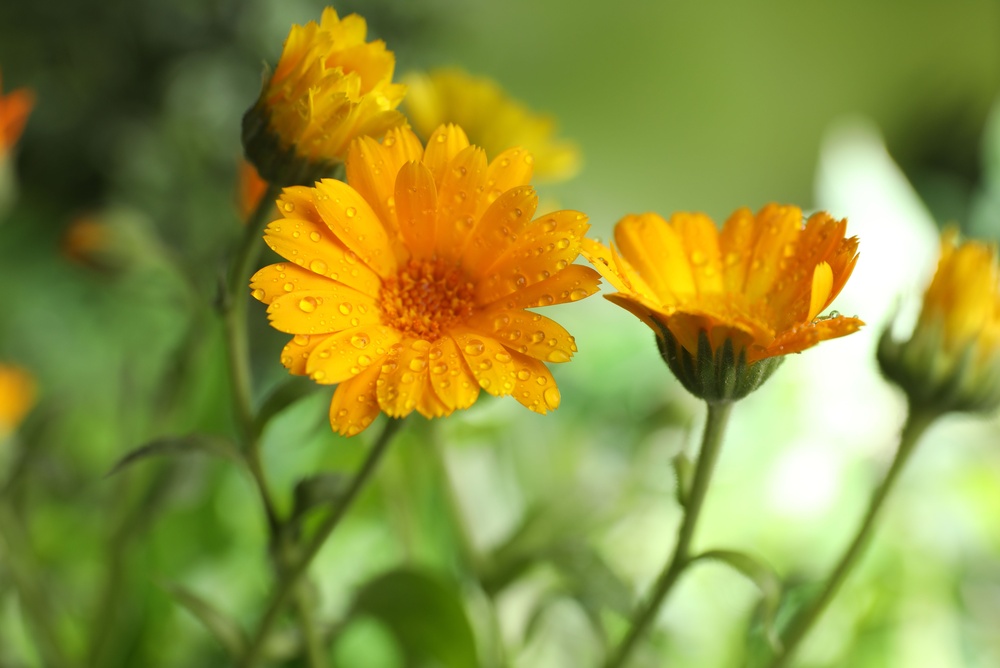
Calendula makes an excellent candidate for fall sowing because it handles cool conditions better than many warm-season annuals. Its cheerful yellow and orange flowers can bring welcome color early in the season, and the plants appreciate cool weather rather than waiting around for summer heat. Illinois Extension classifies calendula among hardy annuals that tolerate cold soil and light frost.
Scatter the seeds over prepared soil and cover them according to the seed packet directions, because varieties differ in seed size and preferred planting depth. Choose a sunny spot with reasonably well-drained soil, and avoid creating a soggy winter bed where seeds can rot. Calendula also makes a useful cut flower, so a few extra seedlings can earn their garden space twice.
2. Larkspur
Larkspur belongs on the fall-sowing shortlist for gardeners who want tall, airy flowers early in the season. The plants produce slender flower spikes that add vertical interest without making a bed look bulky or crowded. Oregon State University lists larkspur among annual flowers that gardeners can grow from seed, and its flower-growing guide gives it a cool-season place in the garden.
Direct-sow larkspur where it will grow because its long roots make transplanting less appealing than simply leaving the seedlings alone. Give the seeds a prepared bed with good drainage and enough sunlight, then resist the temptation to fuss over them. That hands-off approach suits this old-fashioned flower beautifully, especially when spring arrives and those first flower spikes appear before the garden reaches full summer mode.
3. Nigella
Nigella, often called love-in-a-mist, brings a completely different look to the garden with delicate foliage and unusual flowers surrounded by wispy bracts. It also earns a spot on the direct-sowing list because gardeners can sow it outdoors rather than treating it like a precious indoor seed-starting project. Oregon State Extension includes nigella among flowers suitable for outdoor sowing.
Choose a sunny location and sow the seeds directly where the plants should grow, since disturbing young roots can create unnecessary trouble. The feathery foliage looks almost too delicate to be practical, but the plant has a pleasantly unfussy personality once established. Leave some spent flowers in place if seed collection interests you, because nigella can provide another generation of plants with very little intervention.
4. California Poppy
California poppy may sound like a flower that belongs strictly to warm, dry landscapes, but it actually makes an excellent direct-sowing candidate in the right garden. Extension guidance recommends fall or very early spring sowing when gardeners want the earliest blooms, and the plants prefer sunny conditions and well-drained soil.
The seeds need light and should not disappear beneath a thick blanket of soil, so sprinkle them over prepared ground and press them gently into place. Avoid heavily watering the bed throughout winter, especially if the site already drains slowly. Once spring conditions arrive, the seedlings can get moving quickly, producing the kind of bright flowers that make a garden look considerably more awake than it felt a few weeks earlier.
5. Shirley Poppy
Shirley poppies bring soft, papery blooms that can make a garden border look like someone scattered confetti across it with excellent taste. Annual poppies generally perform well from direct sowing, and extension guidance lists common garden poppies among flowers that can self-sow when mature seed falls naturally.
Pick a sunny, well-drained location and disturb the soil as little as possible after sowing. Poppies dislike having their roots moved around, which makes direct sowing particularly convenient. Avoid covering the tiny seeds deeply, and mark the planting area so spring weeding does not accidentally remove the seedlings along with the weeds.
6. Bachelor’s Buttons
Bachelor’s buttons offer one of the easiest ways to add blue, pink, white, or purple flowers without turning seed starting into a complicated weekend project. Gardeners can direct-seed bachelor’s buttons very early outdoors, and some people list them among annuals suitable for outdoor seeding when conditions allow.
Sow them in a sunny location with ordinary garden soil and give the seeds enough room to develop without crowding. These flowers also make excellent candidates for cutting, so planting a small patch can supply bouquets while still leaving plenty of color outdoors. If a few flowers go to seed, the garden may even offer some volunteer seedlings the following year.
7. Hollyhocks
Hollyhocks take a slightly different route to early color because many gardeners grow them as biennials or short-lived perennials rather than simple annuals. Fall sowing can give young plants time to establish before their main flowering period, although bloom timing varies by type and growing conditions. The tall flower spikes can bring serious vertical drama to a border, which makes them especially useful behind shorter spring flowers.
Sow them directly in a sunny, well-drained location and avoid burying the seeds too deeply. Give the seedlings room because mature plants can become substantial, and place them somewhere that can handle their height without shading smaller plants. Hollyhocks also produce abundant seed when allowed to mature, so a planting that settles in happily can become a recurring feature rather than a one-season cameo.
Give Spring a Head Start Without Starting Indoors
Direct-sowing flower seeds in late summer or fall works best when gardeners match the flower to the climate, soil, and winter conditions. A harsh winter can reduce germination, while an unusually warm autumn can encourage seeds to sprout before winter arrives, so local conditions matter more than any universal calendar date. Extension guidance also points out that winter severity and site conditions affect how reliably self-sown annuals return.
The best strategy involves preparing the soil, sowing fresh seed at the recommended depth, labeling the spots, and then letting nature handle much of the waiting. Fall sowing does not guarantee every seed will emerge, but planting a little generously can make the gamble worthwhile.
Which of these flowers would earn a spot in the garden this fall for an earlier burst of spring color?
You May Also Like…
His HOA Said “Flowers Only.” This Gardener Took the Rule Very Literally
Should You Add Compost Before Planting Spring Bulbs?
8 Edible Flowers That Can Bridge the Gap Between Summer and Fall
Should You Compost Diseased Plants? The Answer Depends on How Hot Your Pile Gets
Why Are Gardeners Growing Borage for More Than Its Flowers?

Brandon Marcus is a staff writer for FrugalGardening.com at District Media, Inc., where he delivers practical gardening advice with a relatable, no-nonsense style. An avid amateur gardener, he holds a BA degree and with over ten years of professional writing experience, he is also an award-winning published author whose first book, Questions For Deep Thinkers, was released by Adams Media. His work has appeared in major publications including Fandom.com, CHUD.com, TheColdWire.com, and Fansided.com.
Leave a Reply