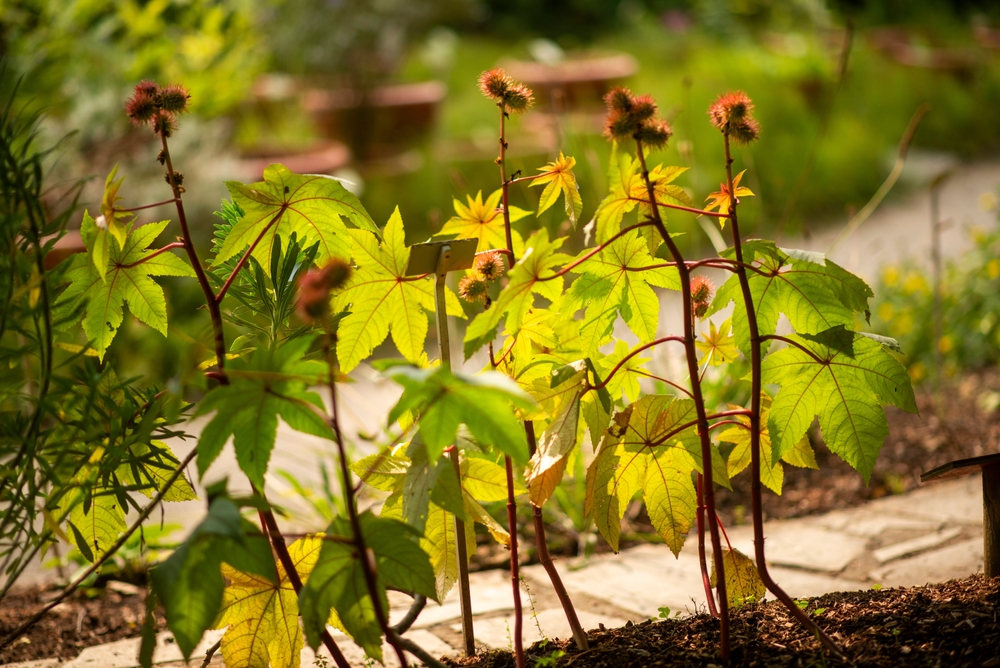
A heat wave can make a vegetable garden look like it has filed for early retirement. Leaves curl, blossoms disappear, fruit production slows, and perfectly healthy plants can suddenly look rather unimpressed with the whole gardening arrangement. The good news: heat stress does not automatically mean a crop has reached the end of its story.
Some vegetables simply hit pause when temperatures become extreme, then resume growth when conditions improve. Others may recover as plants but still lose flowers, fruit quality, or part of the harvest that the heat interrupted. Knowing the difference can keep gardeners from making a common mistake: trying to “fix” a stressed plant so aggressively that the rescue attempt creates a second problem.
Some Crops Need Time More Than Rescue
Tomatoes offer one of the clearest examples of a crop that can look rough after extreme heat and still produce more fruit later. High daytime temperatures combined with hot nights can interfere with tomato pollination, causing flowers to drop before they form fruit, while heat can also slow fruit ripening. Once temperatures moderate, the plant can keep producing new flowers, so a disappointing stretch does not necessarily predict the rest of the harvest.
Tomato leaves can also curl inward during hot weather as the plant limits moisture loss, and that response does not automatically signal permanent damage. Peppers can follow a similar pattern, although heat can reduce fruit set and leave gardeners waiting for the next flush of flowers. The important move involves patience: keep the root zone adequately watered, maintain mulch, and give the plant time to shift back into normal growth instead of piling on fertilizer or cutting it to pieces. A plant that still has healthy stems, growing points, and green tissue has plenty of reason to stay on the garden roster.
Watch Flowers Before You Judge the Whole Plant
Heat often hits reproduction harder than it hits the plant itself. Cucumbers, squash, melons, tomatoes, peppers, and beans can experience flower or pollination problems during extreme heat, which means a plant may look impressively leafy while producing very little food. That distinction matters because gardeners sometimes see a temporary production slump and assume the entire crop has failed.
Cucurbits can show a particularly frustrating version of this problem because hot conditions can shift the balance of male and female flowers and interfere with pollination. Beans can also abort flowers during very hot weather, leaving fewer pods or smaller pods even when the foliage looks reasonably healthy. When cooler weather returns, fresh flowers can provide another opportunity for fruit production, so removing an otherwise healthy plant simply because it had a bad heat week can throw away that second chance.
Water Helps, But More Water Isn’t Always Better
Heat-stressed crops need consistent moisture, but drowning a struggling plant does not qualify as advanced gardening technique. Gardeners should check the soil around the root zone rather than judging moisture by drooping leaves alone, because some plants temporarily wilt or curl during the hottest part of the day even when the soil still contains adequate moisture. Deep watering that reaches the root zone generally makes more sense than repeated little sips that barely wet the surface.
Mulch can help by reducing evaporation and keeping soil temperatures more stable, while soaker hoses or drip irrigation can deliver water close to the roots without unnecessarily wetting foliage. Morning watering works especially well because plants can take up moisture before the day’s heat arrives, although gardeners can also water in the evening when conditions make that practical. Avoid turning a stressed plant into a science experiment with fertilizer, especially when the plant already faces heat-related root or water stress. Give the crop steady moisture, protect it from additional heat when possible, and let the weather do some of the recovery work.
Know When Heat Damage Goes Beyond a Slump
Not every crispy leaf deserves a funeral, but gardeners should inspect plants carefully before declaring them merely heat stressed. Persistent wilting in the morning can point toward problems such as bacterial wilt in cucumbers and melons or squash vine borer damage in squash and melons, rather than simple afternoon heat stress. A plant that looks wilted at noon but perks up overnight tells a very different story from one that remains limp when the morning arrives.
Heat can also leave lingering quality problems even after production resumes. Tomatoes may develop yellow shoulders or internal white tissue associated with hot conditions, while cucumbers can develop bitterness when drought stress and sharp temperature swings pile onto the crop. Those problems do not necessarily mean the plant will stop growing, but they can affect the harvest that follows. A careful inspection of stems, leaves, flowers, soil moisture, and new growth gives gardeners a much better picture than judging the plant by one miserable afternoon.
Give the Garden a Chance to Come Back
The best recovery strategy often looks surprisingly boring: water appropriately, refresh mulch, reduce additional heat stress, and wait. Temporary shade can help vulnerable vegetables during the hottest part of the day, while adequate spacing can improve light and airflow around plants and may reduce some heat-related flower and fruit problems. Gardeners should also remove genuinely dead tissue when necessary, but they should resist hacking away every leaf that looks tired.
A heat-stressed crop does not need perfection; it needs favorable conditions long enough to regain momentum. Tomatoes and peppers can produce new flowers after a heat-induced production gap, while many vine crops can resume fruiting after temperatures settle. That makes the post-heat period a useful time to watch new growth rather than obsess over the damage left behind. If the plant still has healthy growth points and the roots remain in decent shape, there may be another round of flowers, fruit, and harvest waiting just around the corner.
The Heat Wave May Have Stolen a Chapter, Not the Whole Story
Heat stress can absolutely reduce a crop’s harvest, but a rough week does not always write the final chapter. Flowers may drop, fruit may develop poorly, and some damaged leaves may never look pretty again, yet the plant can continue growing once temperatures return to a range it handles more comfortably. The smartest response combines observation with restraint: correct moisture problems, protect plants from additional heat when possible, and avoid making dramatic changes based on one ugly snapshot.
What crops in the garden have bounced back after a brutal stretch of heat, and which ones never recovered?
You May Also Like…
How Much Water Does a Garden Need During Late-Summer Heat?
6 Garden Tasks That Are Safer to Skip During Peak Afternoon Heat
What Should You Do When Beans Stop Flowering in High Heat?
7 Heat-Safe Garden Chores Worth Doing Before Breakfast
6 End-of-Summer Weeds You May Want to Identify Before Pulling

Brandon Marcus is a staff writer for FrugalGardening.com at District Media, Inc., where he delivers practical gardening advice with a relatable, no-nonsense style. An avid amateur gardener, he holds a BA degree and with over ten years of professional writing experience, he is also an award-winning published author whose first book, Questions For Deep Thinkers, was released by Adams Media. His work has appeared in major publications including Fandom.com, CHUD.com, TheColdWire.com, and Fansided.com.
Leave a Reply