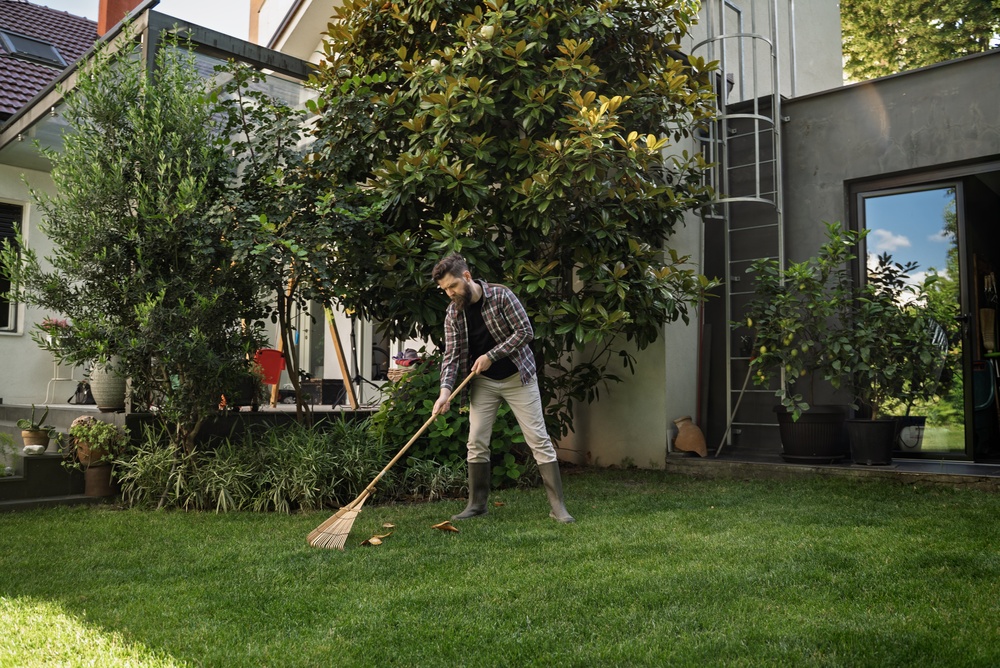
August has a sneaky way of turning the garden into a to-do list with leaves. One minute the beds look wonderfully productive, and the next, spent flowers, sprawling vines, ripe vegetables, weeds, and thirsty containers seem to demand attention all at once. A few well-timed jobs in August can prevent that September pileup and make the garden much easier to manage when the season starts shifting gears.
That means harvesting before vegetables become oversized, removing diseased foliage before problems spread, making room for fall crops, and giving perennials a little attention before autumn arrives. None of these tasks require a heroic weekend with a wheelbarrow and a heroic soundtrack. They simply make the garden more orderly, productive, and ready for whatever comes next.
1. Clean Up Plants That Have Finished Their Moment
Some plants reach a point in August when they have clearly checked out of the growing season. Annual flowers may look ragged, vegetable plants may carry yellowing lower leaves, and early crops such as peas can become tired and unproductive. Remove spent annuals, dead foliage, and plants that no longer produce useful harvests instead of letting them occupy valuable space. Healthy plant material can often go into the compost pile, while foliage showing signs of serious disease should go into household waste rather than compost. That simple distinction can prevent certain pathogens from hanging around in a homemade compost pile.
Cleaning does more than improve appearances, too. Removing dead or diseased material improves air circulation and makes it easier to spot problems that still need attention. It also frees beds for fall crops, cover crops, or a layer of mulch. When pulling spent vegetables, check the roots and stems for signs of insect activity or disease rather than tossing everything into a pile without inspection. August cleanup feels like garden housekeeping, but it can save considerable work later.
2. Keep Harvesting Before Vegetables Become Garden Monsters
August vegetables often grow with enthusiasm, and missing a harvest by a few days can produce some truly impressive specimens. Zucchini can turn from dinner-sized to baseball-bat-sized, cucumbers can become seedy, and beans can become tough if they remain on the plant too long. Check productive plants frequently and harvest vegetables at the size and maturity that suit their intended use. Regular picking also encourages many plants to keep producing rather than leaving mature fruit hanging around indefinitely. A basket beside the back door can become surprisingly useful because it turns harvesting into a quick daily habit.
August also provides an excellent opportunity to preserve the surplus before September arrives. Freeze extra beans, make tomato sauce, pickle cucumbers, dry herbs, or simply share the bounty before the refrigerator becomes a vegetable traffic jam. Keep harvesting herbs regularly as well, particularly when plants begin producing flowers and tougher stems. For tomatoes, remove ripe fruit promptly and inspect plants regularly for cracked, diseased, or damaged fruit. A little harvesting discipline now can prevent a mountain of neglected produce later.
3. Start Making Room for Fall Crops
September does not magically create empty garden beds, so August provides the perfect window to create them. As early crops finish, pull them promptly and prepare the soil for vegetables suited to cooler conditions, depending on the local climate and planting calendar. Leafy greens, radishes, certain root crops, and other cool-season vegetables can often fit into spaces that summer crops leave behind. Check the seed packet for days to maturity and work backward from the expected first frost rather than planting blindly. Timing matters because a crop needs enough suitable weather to produce before cold temperatures slow growth.
Avoid the temptation to plant every empty patch with something simply because the soil looks lonely. Remove weeds, loosen compacted soil gently, add compost when appropriate, and give the new planting enough moisture to establish. Freshly seeded beds need consistent moisture, especially during hot, dry August weather. Some fall crops may benefit from temporary shade while they get started during late-summer heat. Planning those transitions now prevents the classic September problem of staring at an empty bed and wondering where all the planting time went.
4. Give Containers a Serious Checkup
Container plants can become surprisingly demanding by August because pots dry faster than garden soil. Check containers regularly for dry soil, blocked drainage holes, root congestion, and plants that have outgrown their available space. Water deeply enough to moisten the entire root zone, then allow excess water to drain freely rather than leaving containers sitting in saucers full of water. Hanging baskets deserve particular attention because their exposed position can make them dry quickly during hot weather. A plant that looks dramatically wilted may recover after watering, but repeated severe drying can cause lasting damage.
August also offers a good opportunity to remove tired annuals from containers and refresh pots that no longer look good. Trim dead flowers where appropriate, remove yellowing leaves, and check the undersides of foliage for pests. If a perennial or shrub has outgrown its container, plan a suitable transplanting window based on the plant and local conditions instead of forcing a move during extreme heat. Clean empty pots before storing them, particularly if they contained plants with disease or pest problems. Five minutes of container maintenance can prevent a surprisingly annoying collection of chores when fall weather arrives.
5. Keep Weeds From Writing September’s To-Do List
Weeds rarely respect calendars, and August gives them plenty of opportunities to become established. Pull or hoe young weeds before they produce seeds, taking care around shallow-rooted vegetables and newly planted crops. Mulch can suppress new weed growth while also helping soil retain moisture, but keep mulch slightly away from plant stems and trunks to reduce moisture-related problems and pest hiding places. Thick layers do not automatically work better, particularly when mulch becomes packed and prevents water from reaching the soil. A neat, moderate layer usually makes more sense than building a mulch mountain.
Pay special attention to weeds that have already flowered or begun producing seeds. Removing those plants before they scatter seed can reduce future work, although some mature weeds can drop seed even after removal if they remain in place. Do not assume every unfamiliar volunteer deserves immediate execution, either. A plant may be a desirable self-seeder, a vegetable that escaped its intended row, or simply a weed wearing an innocent disguise. Identify questionable plants before pulling them, especially around ornamental beds where seedlings can appear in unexpected places.
6. Prepare Tools and Supplies Before Autumn Gets Busy
Garden maintenance becomes much easier when the equipment actually works. August makes a convenient time to clean pruners, sharpen cutting tools, wash muddy hand tools, inspect hoses, and replace anything that has become unreliable. Disinfect pruning tools between diseased plants and healthy plants when disease transmission poses a concern. Check stakes, trellises, plant ties, row covers, frost protection materials, and empty containers so everything remains easy to find. September has a funny habit of making forgotten supplies suddenly urgent.
This preparation also creates a chance to take stock of what the garden actually used during summer. Set aside seeds that remain viable and store them according to their requirements, organize labels, and make a short list of supplies that genuinely need replacing. Avoid buying replacements simply because a garden center display makes them look irresistible. A cleaned pair of pruners already sitting in the shed beats a shiny new pair that still needs to find its way out of the package. The goal is simple: make September about gardening, not hunting for the missing hose nozzle.
Make August Do Some of September’s Work
A garden does not need a dramatic makeover before September. It needs a handful of sensible decisions made while the weather still allows plenty of flexibility. Harvesting regularly, clearing finished plants, preparing beds, checking containers, controlling weeds, and organizing tools can remove much of the frantic feeling that often arrives with the changing season. These jobs also reveal problems while there is still time to address them. That makes August less about squeezing in more chores and more about setting the garden up for an easier next chapter.
Which August garden job makes the biggest difference in keeping September under control? Share the task that always gets done in your garden, or the one that somehow gets forgotten every year, in the comments.
You May Also Like…
7 Herbs That Keep Producing After Summer Vegetables Slow Down
Where Can Gardeners Find Free Mulch in Late Summer?
7 Late-Summer Garden Checks That Can Prevent Winter Damage
6 Garden Tasks That Are Safer to Skip During Peak Afternoon Heat
What Should You Do When Ground Cherries Fall Before Ripening?

Brandon Marcus is a staff writer for FrugalGardening.com at District Media, Inc., where he delivers practical gardening advice with a relatable, no-nonsense style. An avid amateur gardener, he holds a BA degree and with over ten years of professional writing experience, he is also an award-winning published author whose first book, Questions For Deep Thinkers, was released by Adams Media. His work has appeared in major publications including Fandom.com, CHUD.com, TheColdWire.com, and Fansided.com.
Leave a Reply