September may look like the vegetable garden’s closing time, but somebody forgot to lock the door. As summer crops fade, cool-season vegetables are just getting interested, and several can still go into the garden in September for a fall harvest.
The trick involves choosing vegetables that tolerate cooler weather and matching planting time to the local frost schedule. Some crops grow quickly enough for a harvest before serious cold arrives, while others can handle a light frost and actually taste better after chilly nights. In other words, the garden does not have to retire just because the tomatoes are looking exhausted.
1. Radishes
Radishes might qualify as the garden’s overachievers because they grow quickly and tolerate cool weather beautifully. September gives them a particularly useful window, especially in areas where autumn temperatures arrive gradually rather than all at once.
Sow the seeds directly into loose soil, keep the seedbed evenly moist, and thin crowded seedlings once they emerge. Harvest promptly when the roots reach a useful size because oversized radishes can become tough or overly sharp, which is the vegetable equivalent of staying too long at the party.
2. Spinach
Spinach appreciates the cooler conditions that make summer growing such a chore, and September can offer excellent planting conditions for a fall crop. Direct sowing works well, although germination may slow if the soil remains unusually warm.
Give spinach fertile soil and consistent moisture, then harvest the outer leaves while leaving the center growing point intact for continued production. A cold snap does not automatically spell disaster, either, because spinach handles cool weather well and can continue producing when summer vegetables have completely packed their bags.
3. Lettuce
Lettuce makes a smart September choice because it grows quickly and prefers cool conditions over summer heat. The biggest challenge involves timing, since young lettuce plants need enough time to establish before freezing temperatures become routine.
Choose loose-leaf varieties when a quick harvest matters, and sow seeds shallowly because lettuce needs light to germinate well. Keep the soil moist during germination, then harvest individual leaves as needed instead of waiting for every plant to form a giant supermarket-style head.
4. Kale
Kale laughs at the idea that the vegetable garden should shut down in September. This hardy leafy crop handles cool weather well and can continue producing into autumn, with some varieties tolerating surprisingly cold conditions.
Plant transplants for a faster start when available, or sow seeds early enough to give seedlings time to establish. Harvest the lower leaves first and leave the central growing point intact, because that lets the plant continue producing fresh foliage rather than turning the entire plant into a one-time salad.
5. Swiss Chard
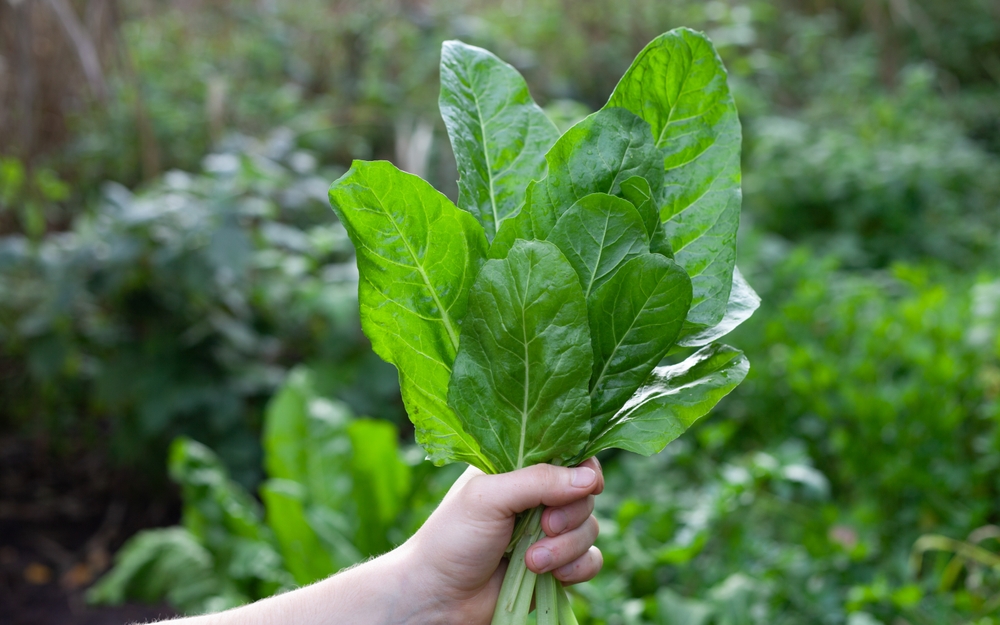
Swiss chard brings a little color and plenty of useful leaves to a fall garden, and its tolerance for cool weather makes it worth considering in September. It does not demand the same pampering as some tender summer vegetables, although steady moisture helps young plants establish.
Direct sow the seeds in fertile, well-drained soil and thin seedlings once they become crowded. Harvest the outer stalks and leaves while allowing the center to continue growing, and the plant can provide repeated harvests instead of producing one dramatic farewell.
6. Turnips
Turnips rarely receive enough credit for being practical fall vegetables, but September gives them a chance to show off. Both the roots and greens can provide food, making turnips especially useful when garden space feels too valuable to waste.
Sow the seeds directly and thin seedlings so developing roots have room to expand. Cool autumn weather suits turnips nicely, and harvesting can happen once the roots reach a desirable size rather than waiting for enormous specimens that may develop a coarser texture.
7. Green Onions
Green onions offer one of the easiest ways to squeeze another useful crop into a shrinking growing season. Many varieties develop quickly enough to provide edible leaves before winter, and gardeners can harvest them while they remain relatively young.
Plant seeds or sets in loose soil with adequate moisture, and avoid burying them excessively deep. Harvest individual plants as needed, or pull them when the bulbs and lower stems reach the size desired for cooking.
8. Peas
Peas can make a September planting worthwhile in regions with a sufficiently long, mild autumn, particularly when gardeners choose quick-maturing varieties. They dislike heat, so the declining temperatures of late summer and early fall can create much friendlier growing conditions.
Give peas a sunny location and something sturdy to climb if the variety produces vines. The calendar matters here, because peas need enough time to flower and form pods before hard freezes arrive, so gardeners in colder areas should plant as early in September as their local conditions allow.
9. Beets
Beets pull double duty because their roots provide a harvest while their young greens can also go into salads, soups, and sautés. They tolerate cool conditions well, making them another useful candidate for a September planting when the growing season still has some runway left.
Sow beet seeds directly into prepared soil and keep the surface consistently moist while they germinate. Thin the seedlings as they emerge because each beet seed cluster can produce multiple seedlings, and crowded roots rarely produce the smooth, well-shaped beets gardeners hope to pull from the soil.
Give the Fall Garden One More Act
September planting works best when gardeners stop thinking about summer vegetables and start thinking about cool-season crops instead. Radishes, spinach, lettuce, kale, Swiss chard, turnips, green onions, peas, and beets can all make sense, but the best choices depend heavily on local temperatures, expected frost dates, and the number of mild growing days remaining.
Timing still matters, and a seed packet cannot negotiate with an early hard freeze. Start with the fastest-growing crops when the season is short, use transplants when they offer a valuable head start, and protect young plants with simple frost covers when appropriate. A little planning can turn an apparently tired September garden into a surprisingly productive autumn patch, proving that the vegetable-growing season does not necessarily end when summer does.
Which vegetable will earn a spot in your September garden this year, and which fall crop has given you the best harvest in the past?
You May Also Like…
6 August Garden Jobs That Make September Easier
6 Ways to Stretch a Small Garden Budget Into Fall
Why Rodent Populations Spike in Autumn Gardens
Best Cover Crops for Small Gardens After Summer Harvest
Where Can Gardeners Find Free Mulch in Late Summer?

Brandon Marcus is a staff writer for FrugalGardening.com at District Media, Inc., where he delivers practical gardening advice with a relatable, no-nonsense style. An avid amateur gardener, he holds a BA degree and with over ten years of professional writing experience, he is also an award-winning published author whose first book, Questions For Deep Thinkers, was released by Adams Media. His work has appeared in major publications including Fandom.com, CHUD.com, TheColdWire.com, and Fansided.com.
Leave a Reply