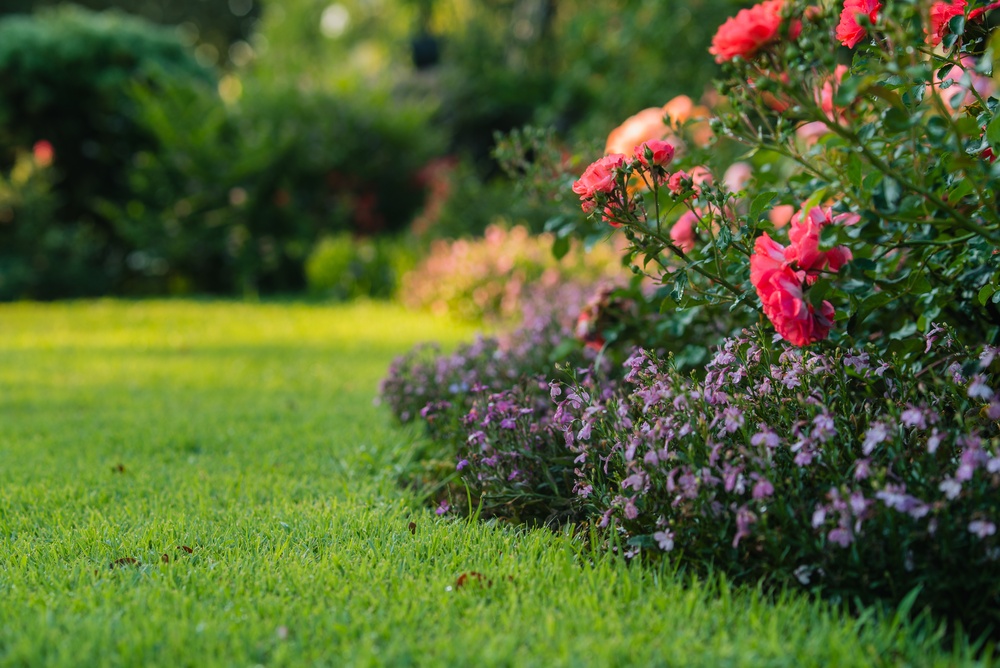
An HOA said “flowers only,” and one gardener decided to treat those two words less like a suggestion and more like a gardening challenge. Instead of arguing over what belonged in the yard, the gardener leaned into the wording and turned the restriction itself into the punchline.
That approach makes for a funny garden story, but it also raises a genuinely useful gardening question: just how much can a gardener do with flowers alone? Quite a lot, as it turns out. A yard filled with annuals, perennials, flowering herbs, bulbs and other bloom-heavy plants can create color, texture, wildlife habitat and plenty of visual interest without looking like a traditional vegetable garden.
The Rule Created an Unexpected Gardening Challenge
The amusing part of the story comes from taking a very narrow landscaping rule at face value. “Flowers only” sounds simple until someone starts asking what actually qualifies as a flower, especially when gardeners know that botanical definitions and everyday gardening language do not always line up neatly. An HOA might use “flowers” as shorthand for ornamental flowering plants, while a gardener might look at the words and see a much larger playground. That distinction matters because HOA restrictions come from each community’s governing documents, and those documents can spell out exactly what residents may plant. Some rules even distinguish between annual flowers, permanent plantings, containers, heights and approved planting areas.
For a gardener, that ambiguity can inspire some wonderfully creative planting. A bed does not need tomatoes, peppers, or squash to look lush and productive, because flowering plants can provide layers of height, foliage and color all by themselves. Tall zinnias can rise behind compact marigolds, while salvias, coneflowers and other flowering perennials can create a completely different look from a row of vegetables. The trick involves choosing plants according to the actual written rules rather than relying on what seems reasonable. That last part matters, because a clever interpretation can still create a very unfun conversation with the HOA if the documents define acceptable plants more narrowly.
Flowers Can Do Far More Than Sit There Looking Pretty
A flower-only garden can offer much more variety than the phrase suggests. Annual flowers such as zinnias, cosmos, marigolds and nasturtiums can provide long-lasting seasonal color, while perennial flowers can return year after year when the climate and growing conditions suit them. Flowering plants also can attract bees, butterflies and other insects, although the value of a particular plant depends on the species, bloom period and local conditions. Gardeners can create a succession of blooms by combining plants that flower at different points throughout the growing season. Suddenly, “flowers only” starts sounding less like a restriction and more like a design assignment.
The foliage deserves attention, too, because a garden can look flat if every plant reaches the same height and blooms at the same time. Mixing upright plants with mounding forms and lower-growing flowers creates a more interesting composition without adding vegetables or shrubs. Containers can add another layer when the rules permit them, and gardeners can use window boxes, pots or approved beds to bring flowers closer to doors and walkways. Even the humble marigold can pull double duty as a colorful edging plant while nasturtiums can spill over the sides of containers in spectacular fashion. A flower-only garden does not have to look like a row of identical bedding plants lined up for inspection.
The Sneaky Part Involves Choosing the Right Plants
Some of the most interesting choices come from plants that gardeners normally associate with more than their flowers. Nasturtiums, for example, produce showy blooms and edible leaves and flowers, while flowering herbs can combine ornamental value with culinary usefulness. Lavender brings fragrant flowers and silvery foliage, and flowering sage varieties can add both structure and color to a planting. Those choices demonstrate why plant labels and HOA language can matter so much, because a gardener should not assume that an attractive flowering plant automatically fits a community’s definition of an approved ornamental. A plant can look perfectly innocent in a garden bed while still landing on a prohibited list.
That means the smartest version of this gardening rebellion starts with paperwork, not a shovel. Before buying trays of flowers, gardeners should check the HOA’s declaration, bylaws, landscaping rules and any current architectural guidelines that apply to the property. If the documents require approval, get that approval before planting rather than hoping nobody notices until the garden looks spectacular. Keep photographs, plant labels and written approvals handy, because a five-minute paper trail can save hours of arguing later. Petty gardening revenge works best when the garden actually follows the rules.
A Literal Garden Can Still Be a Beautiful Garden
There is also a useful lesson hiding underneath the comedy: restrictions do not automatically destroy creativity. Gardeners work with shade, poor soil, drought, deer, tiny spaces and awkward slopes all the time, and each limitation forces different choices. An HOA rule simply adds another constraint to the list, although this particular constraint can produce some surprisingly colorful results. A gardener who focuses on bloom time, plant height, texture, fragrance and wildlife value can build a compelling landscape without reaching for a vegetable seed packet. In fact, the restriction might encourage a gardener to experiment with plants that usually receive less attention.
The bigger win comes from turning a frustrating rule into a design problem instead of a gardening dead end. A well-planned flower bed can frame a walkway, soften a foundation, create a pollinator-friendly pocket or make a small front yard look dramatically more inviting. The gardener still needs to respect property boundaries, local rules, mature plant size and maintenance requirements, but those considerations rarely eliminate every interesting option. Sometimes the best garden idea starts with an annoying sentence in a rulebook and a gardener stubborn enough to ask, “Okay, but what does that actually allow?” And sometimes, apparently, the answer involves a whole lot of flowers.
When “Flowers Only” Becomes the Funniest Garden Rule
The cleverness of this HOA story does not come from breaking a rule. It comes from showing how differently a gardener and a rule writer might interpret the same two words. “Flowers only” may sound restrictive, but a gardener can find dozens of legitimate ways to make that limitation visually exciting while still checking the community’s actual requirements. The result can feature height, fragrance, color, pollinator appeal and seasonal changes without turning the yard into a vegetable plot. That makes the story more than a bit of HOA drama because it highlights one of gardening’s most useful skills: finding possibilities inside limitations.
What do you think of this gardener’s literal approach to an “flowers only” HOA rule, and would you use the same strategy in your own yard?
You May Also Like…
Why Are Gardeners Growing Borage for More Than Its Flowers?
8 Plants That Add Structure After Summer Flowers Begin Fading
Are Night-Blooming Flowers Worth Adding to a Small Yard?
Why Are More Gardeners Letting Seed Heads Stay on Summer Flowers?
6 Ways to Keep Cut Flowers Fresh Longer After Harvest

Brandon Marcus is a staff writer for FrugalGardening.com at District Media, Inc., where he delivers practical gardening advice with a relatable, no-nonsense style. An avid amateur gardener, he holds a BA degree and with over ten years of professional writing experience, he is also an award-winning published author whose first book, Questions For Deep Thinkers, was released by Adams Media. His work has appeared in major publications including Fandom.com, CHUD.com, TheColdWire.com, and Fansided.com.
Leave a Reply