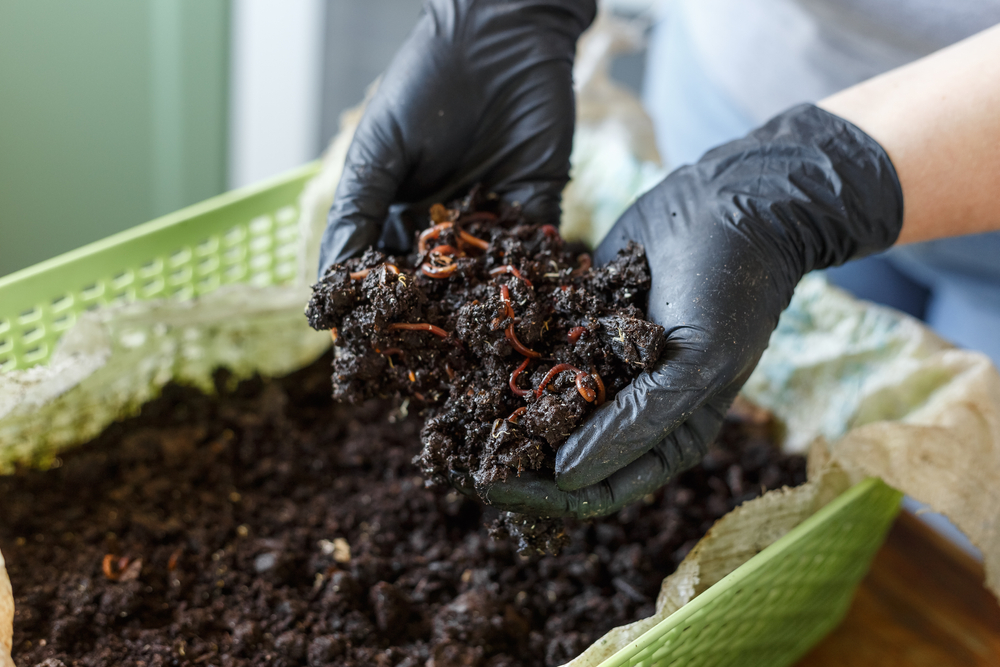
Vermicomposting turns kitchen scraps into rich, crumbly compost with the help of hungry worms doing the heavy lifting. The process feels almost like a quiet backstage operation where banana peels and coffee grounds get transformed into something gardeners actually get excited about. A well-planned vermicomposting setup makes that transformation smoother, cleaner, and far less intimidating than most people expect.
Unlike traditional compost bins that rely heavily on heat and turning, worm-based systems work steadily in smaller spaces like apartments, garages, or shaded patios. A thoughtful vermicomposting setup does not demand fancy tools, but it does reward consistency and a bit of curiosity. Once the rhythm kicks in, food scraps stop feeling like waste and start feeling like a resource waiting for its next act.
Setting Up a Worm Bin Without Overthinking It
A vermicomposting setup begins with a container that keeps moisture in while still allowing airflow, and that balance matters more than size or appearance. Most people use plastic bins or purpose-built worm farms, and both options work as long as drainage and ventilation stay in check. Bedding plays a big role too, since shredded paper, coconut coir, or cardboard gives worms a comfortable base to move through. Moisture should feel like a wrung-out sponge, not a soggy mess that smells off or drives worms away. A good vermicomposting setup starts slow, giving worms time to settle before adding larger amounts of food scraps.
Feeding the system feels more like moderation than dumping leftovers, which surprises many beginners. Small amounts of fruit and vegetable scraps keep the ecosystem balanced while avoiding odor issues. A vermicomposting setup works best when food is buried slightly under bedding so flies stay away and worms reach it easily. Overfeeding creates stress inside the bin, while steady pacing builds a stable environment that handles waste efficiently. Once the rhythm locks in, the bin becomes a quiet recycler that rarely demands attention beyond weekly check-ins.
Costs That Stay Surprisingly Low for Most Households
A vermicomposting setup usually costs far less than many people expect, especially when repurposed materials enter the picture. A basic bin often comes from items already in the home, which immediately lowers startup expenses. Bedding materials like shredded cardboard or newspaper cost little to nothing, which keeps ongoing spending minimal. Worms themselves represent the main purchase, and they typically last long enough to justify the initial investment. A vermicomposting setup proves that waste reduction does not require a large budget or specialized equipment.
Traditional compost bins often involve more space, more tools, and sometimes even outdoor structures that increase cost and effort. In contrast, a vermicomposting setup stays compact and flexible, fitting into small corners without major setup changes. Maintenance costs remain low since worms recycle food scraps instead of relying on added activators or turning tools. Even replacement bedding stays inexpensive and easy to source from everyday household materials. Over time, the financial difference between worm composting and traditional methods becomes noticeable in both convenience and upkeep.
Time Savings That Change the Composting Routine
A vermicomposting setup saves time by reducing the need for frequent turning, mixing, or outdoor hauling. Worms continuously process organic material, which removes much of the manual labor found in traditional compost bins. Instead of managing piles or monitoring temperature, attention shifts to simple feeding and occasional moisture checks. This streamlined approach turns composting into a light weekly habit rather than a time-consuming project. A vermicomposting setup fits neatly into busy schedules without demanding long maintenance sessions.
Traditional bins often require more active management to break down materials evenly and prevent odor or pests. A vermicomposting setup avoids many of those challenges by keeping decomposition inside a controlled, enclosed environment. Harvesting compost also becomes more predictable, since worm castings accumulate steadily over time. This steady output reduces the waiting and guessing often associated with outdoor piles. The result is a composting system that respects time as much as it respects soil health.
Turning Kitchen Scraps Into a Quiet Home Ecosystem
A vermicomposting setup does more than recycle waste, it creates a small living system that works continuously in the background. Worms, bedding, and food scraps interact in a steady cycle that feels surprisingly balanced once established. Keeping the system healthy requires consistency, not complexity, which makes it accessible to most households. A vermicomposting setup rewards patience by producing nutrient-rich castings that support healthier soil in gardens or planters. Over time, the process becomes less about managing waste and more about participating in a natural rhythm that quietly runs itself.
The biggest shift comes from how scraps are viewed after the system starts working. Fruit peels and vegetable trimmings stop feeling like trash and start feeling like part of a productive loop. A vermicomposting setup turns everyday kitchen habits into a small environmental contribution that does not require major lifestyle changes. Even small adjustments in feeding habits can improve results and reduce bin issues. Once the system stabilizes, it becomes a dependable ally in keeping household waste under control.
A Small Bin With a Big Return on Effort
A vermicomposting setup offers a practical way to recycle food waste without complicated tools or heavy maintenance routines. It keeps costs low, saves time compared to traditional compost bins, and fits into small living spaces with ease. The process runs on consistency rather than effort, which makes it approachable for beginners and seasoned gardeners alike. A vermicomposting setup also encourages more mindful kitchen habits by showing how quickly scraps can become soil-building material. With a bit of care and patience, the system turns everyday waste into something genuinely useful.
What part of vermicomposting feels most interesting or surprising, and how might it fit into a home routine?
You May Also Like…
4 Composting Tricks That Work Better Than Store-Bought Bags
Is Composting at Home Still the Cheapest Soil Option?
Why So Many First-Time Homeowners Are Starting Gardens
Why Garden Composting in Winter Works Better Than You Think
How to Make Compost Tea to Improve Soil Health

Brandon Marcus is a staff writer for FrugalGardening.com at District Media, Inc., where he delivers practical gardening advice with a relatable, no-nonsense style. An avid amateur gardener, he holds a BA degree and with over ten years of professional writing experience, he is also an award-winning published author whose first book, Questions For Deep Thinkers, was released by Adams Media. His work has appeared in major publications including Fandom.com, CHUD.com, TheColdWire.com, and Fansided.com.
Leave a Reply