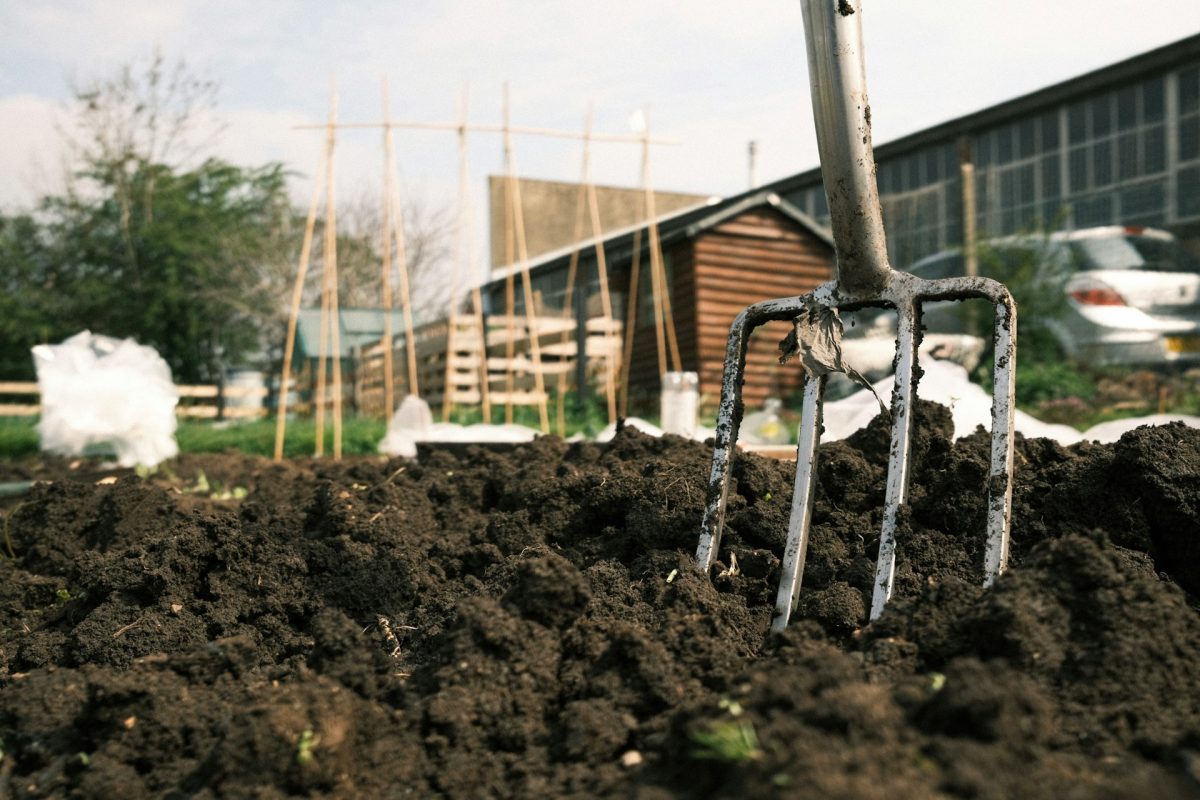
Soil drives everything in a garden, yet most people focus only on what grows above ground. Rich, well-balanced soil fuels stronger roots, better water retention, and healthier plants from day one. Compost delivers a powerful mix of nutrients and organic matter that transforms tired dirt into a thriving ecosystem. Garden beds that receive compost early in the season consistently outperform those that rely on synthetic fertilizers alone. Timing matters, and adding compost now gives soil a head start before peak growing conditions arrive.
Compost acts like a reset button for worn-out soil that has lost structure or nutrients over time. It feeds beneficial microbes that break down organic matter and release nutrients plants actually use. Without that microbial activity, even nutrient-rich soil struggles to support strong plant growth.
Compost Improves Soil Structure In Ways Fertilizer Can’t
Fertilizers provide nutrients, but they do nothing to fix compacted or poorly draining soil. Compost changes the physical structure, creating a crumbly texture that allows roots to spread easily. That improved structure also enhances airflow, which roots need just as much as water. Clay-heavy soil loosens up, while sandy soil gains the ability to hold moisture longer. This balance makes a noticeable difference within weeks of application.
Gardeners often struggle with water pooling or draining too quickly, both of which stress plants. Compost solves both problems at once by improving the soil’s ability to regulate moisture naturally. Instead of constantly adjusting watering schedules, the soil begins to work with the environment instead of against it. This reduces water waste and helps plants stay hydrated during hot spells. Over time, soil becomes easier to manage and far more forgiving.
Nutrient Boost Without the Risk of Overfeeding
Chemical fertilizers deliver a quick hit of nutrients, but they can easily overwhelm plants or burn roots if applied incorrectly. Compost releases nutrients slowly and steadily, creating a more balanced feeding system. Plants absorb what they need without the risk of sudden nutrient spikes. This steady supply supports consistent growth instead of rapid bursts followed by decline. The result shows up in stronger stems, greener leaves, and better yields.
Many gardeners worry about nutrient deficiencies, especially in older garden beds. Compost addresses this concern by introducing a wide range of essential nutrients, not just nitrogen, phosphorus, and potassium. It also improves nutrient retention, so soil holds onto what plants need instead of losing it through runoff. This reduces the need for constant fertilizing throughout the season. A single early application often delivers benefits that last for months.
Compost Strengthens Plant Resilience Against Stress
Plants face constant stress from heat, drought, pests, and disease. Compost helps build resilience by improving overall soil health and supporting beneficial organisms. Healthy soil creates a protective environment where plants grow stronger and recover faster from damage. This reduces the likelihood of disease outbreaks and pest infestations. Strong plants naturally resist problems that weaken stressed gardens.
Garden beds enriched with compost often show fewer signs of common issues like yellowing leaves or stunted growth. The improved nutrient balance and moisture control create ideal growing conditions from the start. Instead of reacting to problems mid-season, gardeners prevent them before they begin. This proactive approach saves time, money, and frustration. Healthy soil leads to healthier plants, and healthier plants require less intervention.
Timing Matters More Than Most Gardeners Realize
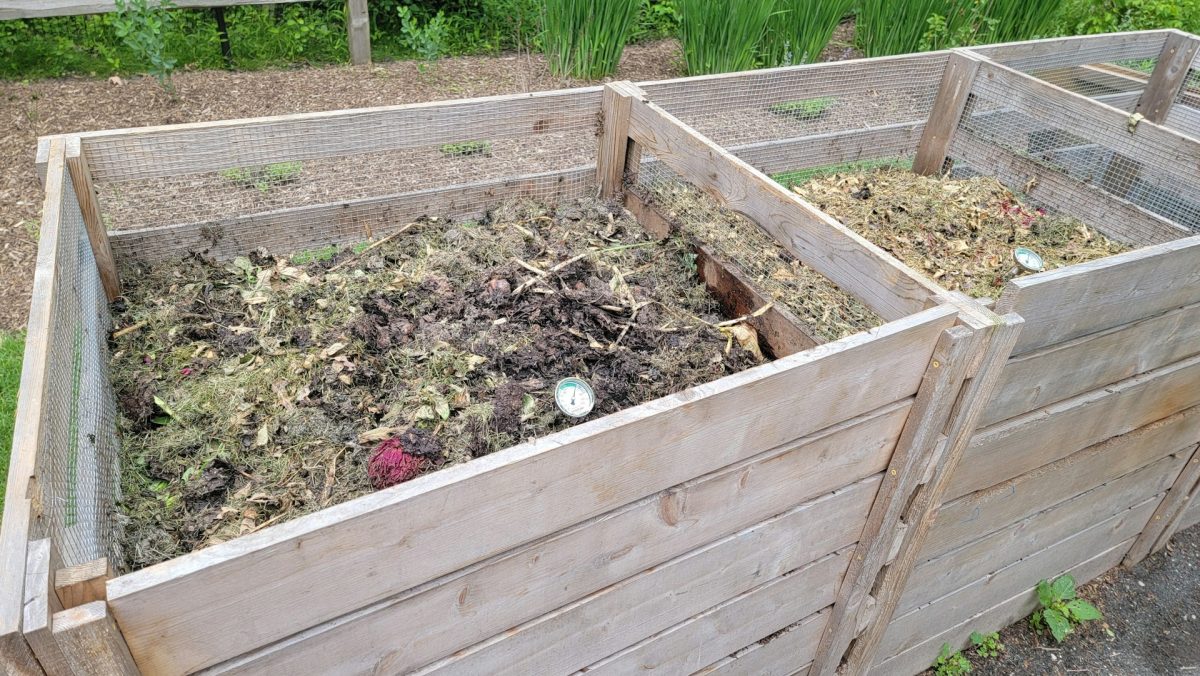
Adding compost at the right time maximizes its impact. Early application allows organic matter to integrate fully into the soil before planting begins. This gives microbes time to break it down and distribute nutrients evenly. Waiting too long reduces these benefits and limits how effectively compost improves soil structure. Timing directly affects results, especially in fast-paced growing seasons.
Spring and early growing periods offer ideal conditions for compost application. Soil temperatures rise, microbial activity increases, and plants prepare for rapid growth. This combination creates the perfect environment for compost to work its magic. Gardeners who apply compost early often notice stronger seedlings and faster establishment. Those early advantages carry through the entire season.
Easy Ways to Add Compost Without Overcomplicating It
Compost application does not require complicated techniques or expensive tools. Spreading a two- to three-inch layer over garden beds and mixing it into the top few inches of soil delivers excellent results. Raised beds benefit just as much as in-ground gardens, and even container plants respond well to compost blends. Simple methods often work best and provide consistent outcomes. The key lies in even distribution and proper mixing.
For lawns or established gardens, topdressing offers an easy alternative. A thin layer of compost spread across the surface gradually works its way into the soil with watering and natural movement. This approach improves soil health without disturbing existing plants. Gardeners who prefer low-maintenance solutions often choose this method. It delivers steady improvements without major effort.
Skip Compost Now, Pay for It Later
Skipping compost might seem like a time-saver, but it often leads to bigger problems down the line. Poor soil quality results in weaker plants, lower yields, and increased reliance on fertilizers and pesticides. These added costs and efforts quickly outweigh the time saved by skipping compost. Investing in soil health early reduces long-term maintenance and expense. Smart gardeners focus on prevention instead of constant correction.
Neglecting soil health also limits a garden’s long-term potential. Each season without improvement makes soil harder to manage and less productive. Compost reverses that decline and builds a stronger foundation year after year. Gardens become more efficient, more productive, and easier to maintain. That long-term payoff makes early compost application one of the smartest moves any gardener can make.
Bigger, Better Gardens Starts Now
Compost transforms soil in ways that no quick fix can match. It improves structure, balances nutrients, supports beneficial life, and prepares gardens for long-term success. Applying it now sets the stage for stronger plants and better results throughout the growing season. Skipping this step leaves potential on the table and creates avoidable challenges later. Healthy soil drives everything, and compost builds that foundation from the ground up.
What changes have shown up in your garden after adding compost early in the season? Now is the time to share your story and advice in the comments below!
You May Also Like…
The Compost Timing Mistake That Slows Down Growth
5 Warning Signs Your Compost Is Too Wet and Losing Nutrients
Why Your Compost Isn’t Heating Up
Why Your “Organic” Soil Might Be Hiding a Dirty Secret
Studies Find Dangerous Bacteria in DIY Compost — Experts Urge Caution

Brandon Marcus is a staff writer for FrugalGardening.com at District Media, Inc., where he delivers practical gardening advice with a relatable, no-nonsense style. An avid amateur gardener, he holds a BA degree and with over ten years of professional writing experience, he is also an award-winning published author whose first book, Questions For Deep Thinkers, was released by Adams Media. His work has appeared in major publications including Fandom.com, CHUD.com, TheColdWire.com, and Fansided.com.
Leave a Reply