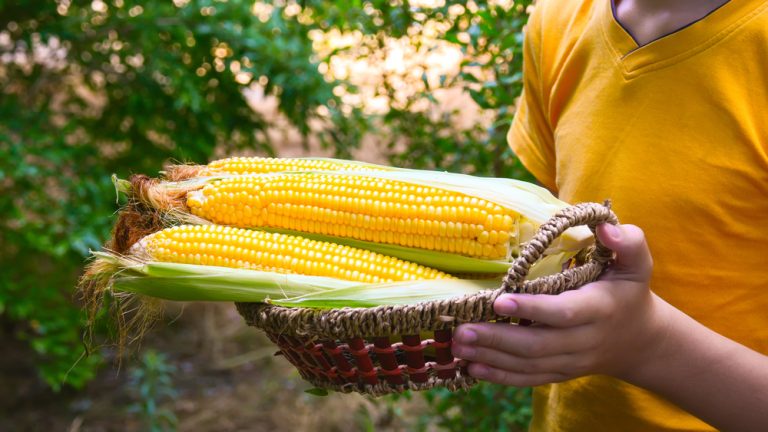
A finished corn patch does not have to become an empty square of dirt waiting for next spring. Once the last ears disappear and the stalks come down, that sunny space can host another round of useful crops that love the leftover garden conditions. Gardeners often focus so much on growing corn that they forget…
Is It Time to Stop Encouraging New Growth on Perennials?
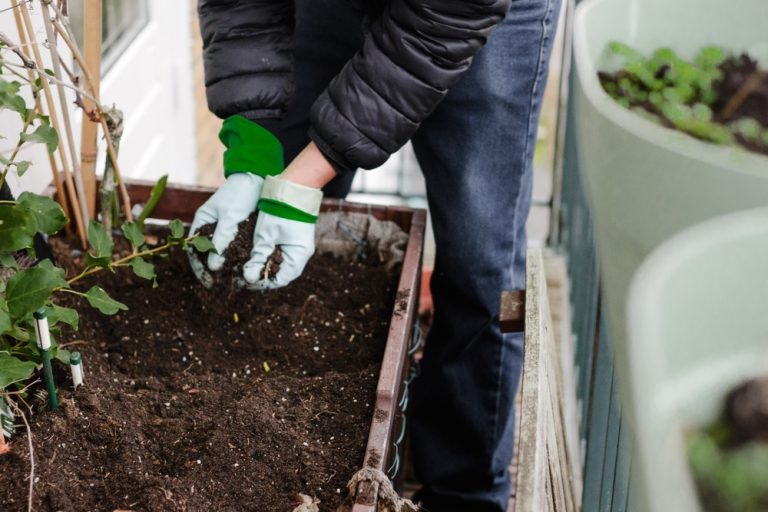
Gardeners love seeing fresh green shoots appear, but late-season new growth on perennials can create a tricky situation. As temperatures drop, that tender growth often lacks the strength needed to handle winter conditions, which means a little gardening excitement can turn into a seasonal headache. The goal is not to stop plants from growing altogether,…
5 Ways to Use Shade From Mature Crops Before They Come Out
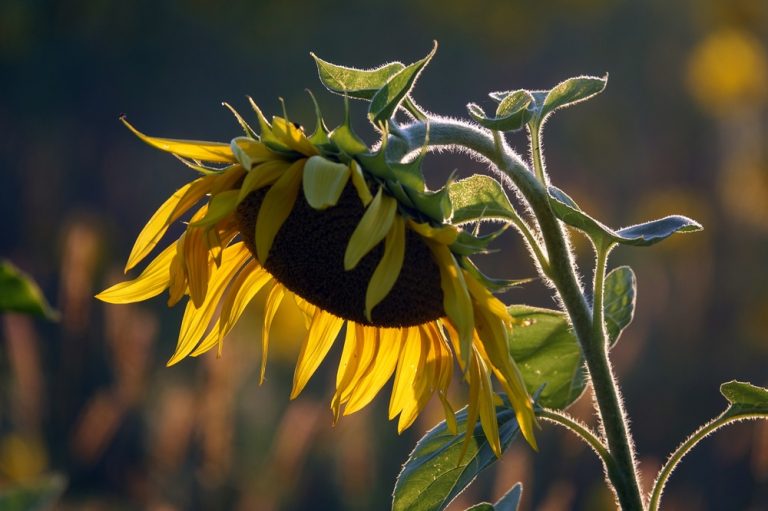
A garden does not stop being useful just because one crop approaches the finish line. Mature plants such as corn, tomatoes, sunflowers, and trellised vines can create valuable shade that helps younger plants handle intense summer conditions before those older crops leave the garden. That leafy canopy above the soil acts like a tiny backyard…
Why Are Gardeners Adding Keystone Plants to Ordinary Backyards?
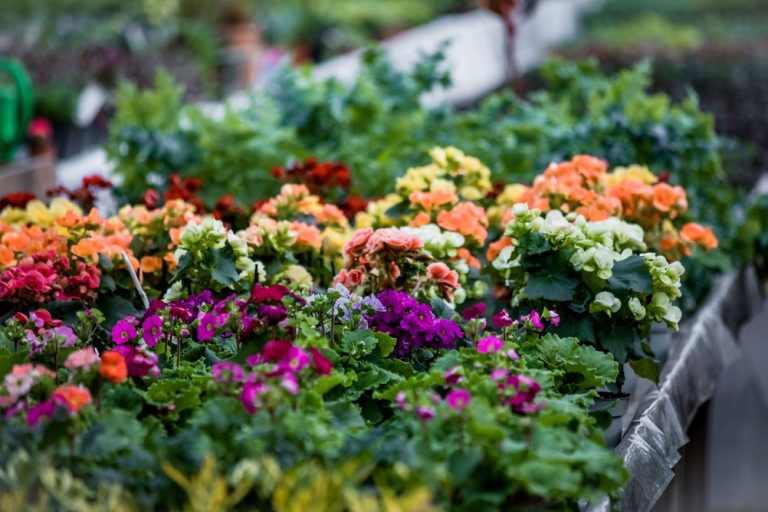
A quiet gardening revolution has taken root in ordinary backyards, and keystone plants sit at the center of it. These special native plants can turn a simple patch of grass, a flower bed, or a few containers into a welcoming stop for butterflies, birds, and beneficial insects. Gardeners add keystone plants because they offer more…
7 Garden Purchases Worth Making During End-of-Season Sales

Gardeners know a funny little secret: the best time to shop for the garden often arrives when the garden looks like it is winding down. End-of-season sales bring opportunities to grab quality tools, supplies, and plants at lower prices while preparing for next spring’s backyard adventures. The trick involves knowing which bargains deserve a spot…
6 Garden Tasks That Are Safer to Skip During Peak Afternoon Heat

The afternoon sun can turn a peaceful garden session into a sweaty battle against heat, fatigue, and a wilting collection of unhappy plants. Some garden chores simply work better in the cooler morning or evening hours, especially when temperatures climb and the soil feels like a baked clay pot. Smart gardeners know that timing matters…
6 Late-Summer Crops That Earn Their Space in a Small Garden
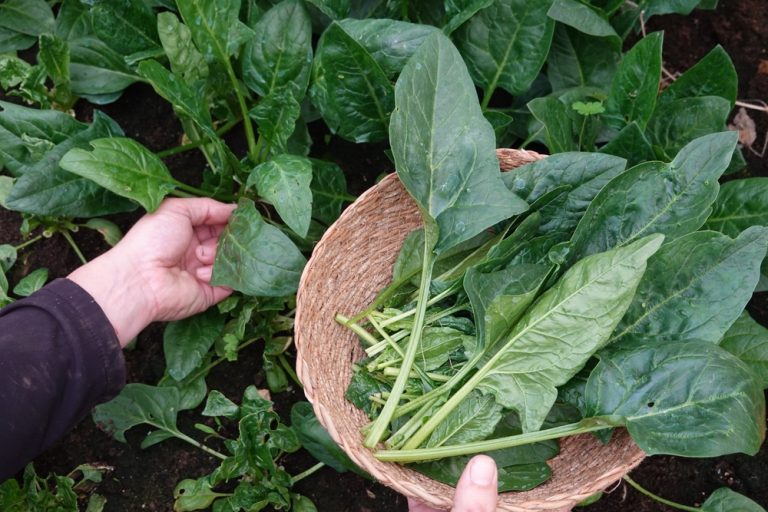
Small gardens reward smart choices, and late summer offers one last chance to squeeze impressive harvests from every available inch. The right crops grow quickly, tolerate cooling temperatures, and keep producing long after many summer favorites start calling it quits. A few empty spots in a raised bed or backyard plot can turn into baskets…
5 Ways to Turn Storm Debris Into Useful Garden Material
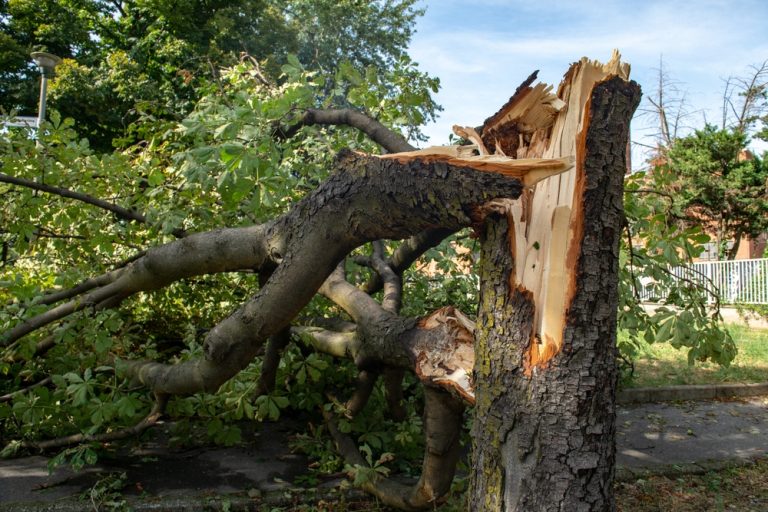
Storms can leave a yard looking like nature hosted a garage sale. Branches scatter across the lawn, leaves pile into soggy drifts, and twigs seem to appear in places that made no sense before the wind arrived. That messy scene might feel overwhelming at first, but it also offers a surprising opportunity for gardeners. Many…
Why Are More Gardeners Designing Around Evening Use?
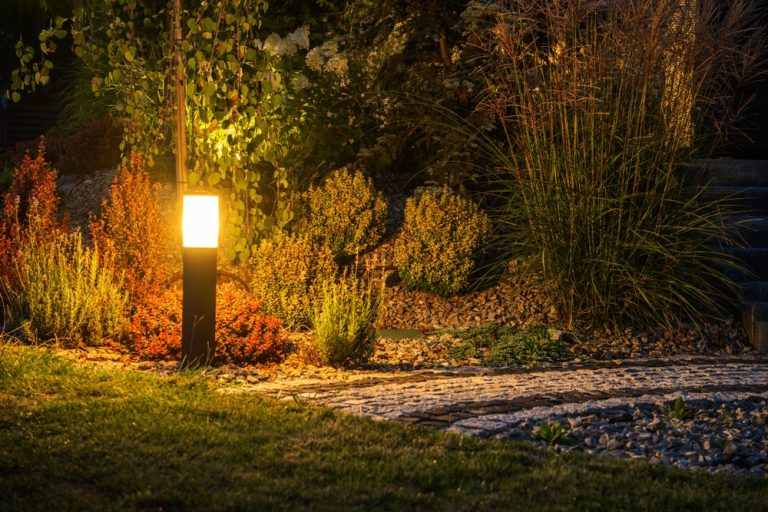
The modern garden no longer shuts down when the sun slips below the horizon. More homeowners now plan flower beds, patios, pathways, and plant choices around the hours after dinner, turning ordinary backyards into comfortable outdoor living spaces that stay inviting well into the evening. That shift makes perfect sense. Daytime often disappears into work,…
Should You Wash Garden Produce Before Storing It?
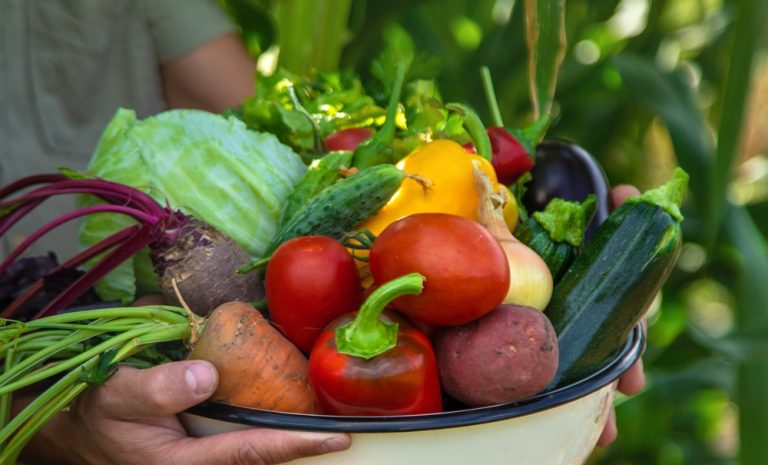
Nothing feels more satisfying than carrying a basket of freshly picked tomatoes, cucumbers, beans, or carrots into the kitchen. That colorful harvest represents weeks or even months of planning, watering, weeding, and waiting. One simple mistake after harvest, however, can shorten the life of those hard-earned vegetables. Many gardeners reach for the sink before anything…