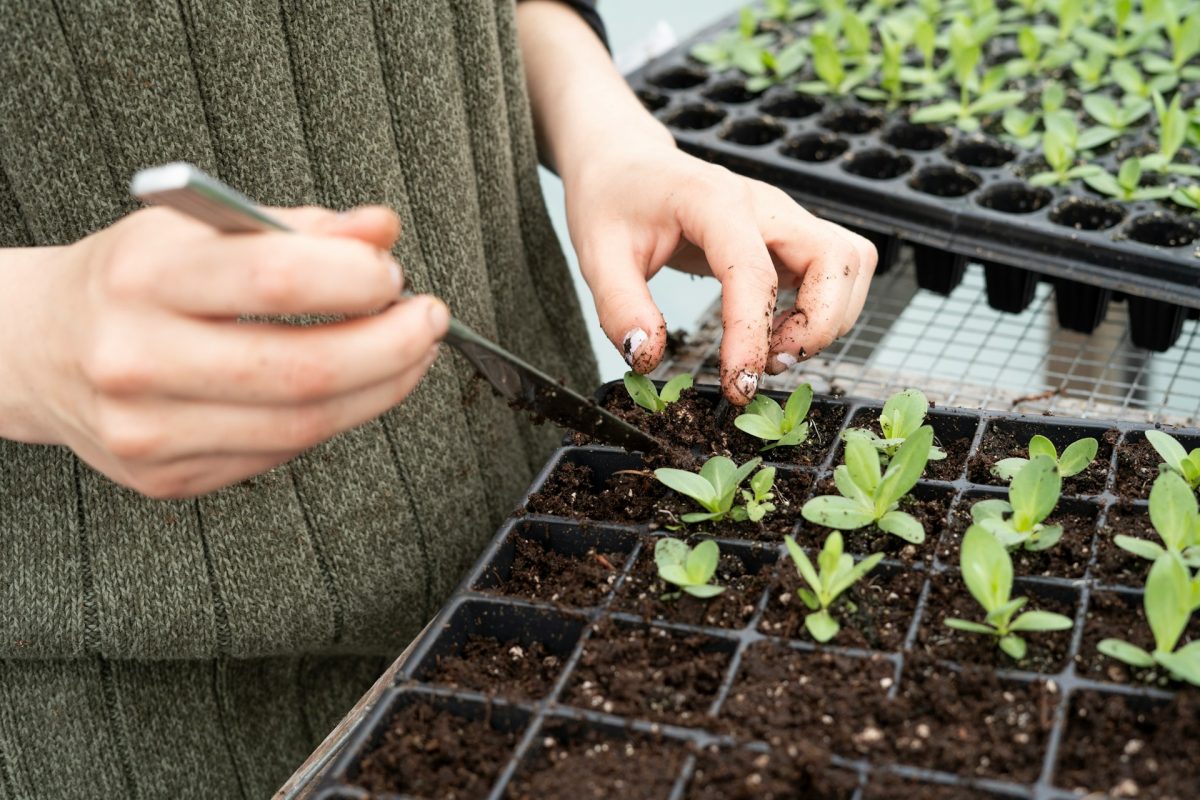
Seedlings might look delicate, but with the right approach, those fragile sprouts can transform into rockstar plants that laugh in the face of wind, rain, and hungry critters. Every gardener knows that the real magic happens before the seedlings even touch soil outside, where preparation can spell the difference between wilted disappointment and a lush, thriving garden. Strengthening seedlings before transplanting isn’t about brute force—it’s about giving them tiny challenges that toughen them up while keeping them happy and hydrated.
This isn’t just a garden chore; it’s an adventure in tiny-plant hero training. Think of it as boot camp for seedlings, minus the whistles and push-ups. From mastering the art of gentle airflow to perfecting watering techniques that teach resilience, these strategies build robust roots, strong stems, and fearless leaves. Even a seemingly puny seedling can become the envy of your garden patch when it gets a little training and tender loving care.
Toughen Up with the Power of Light
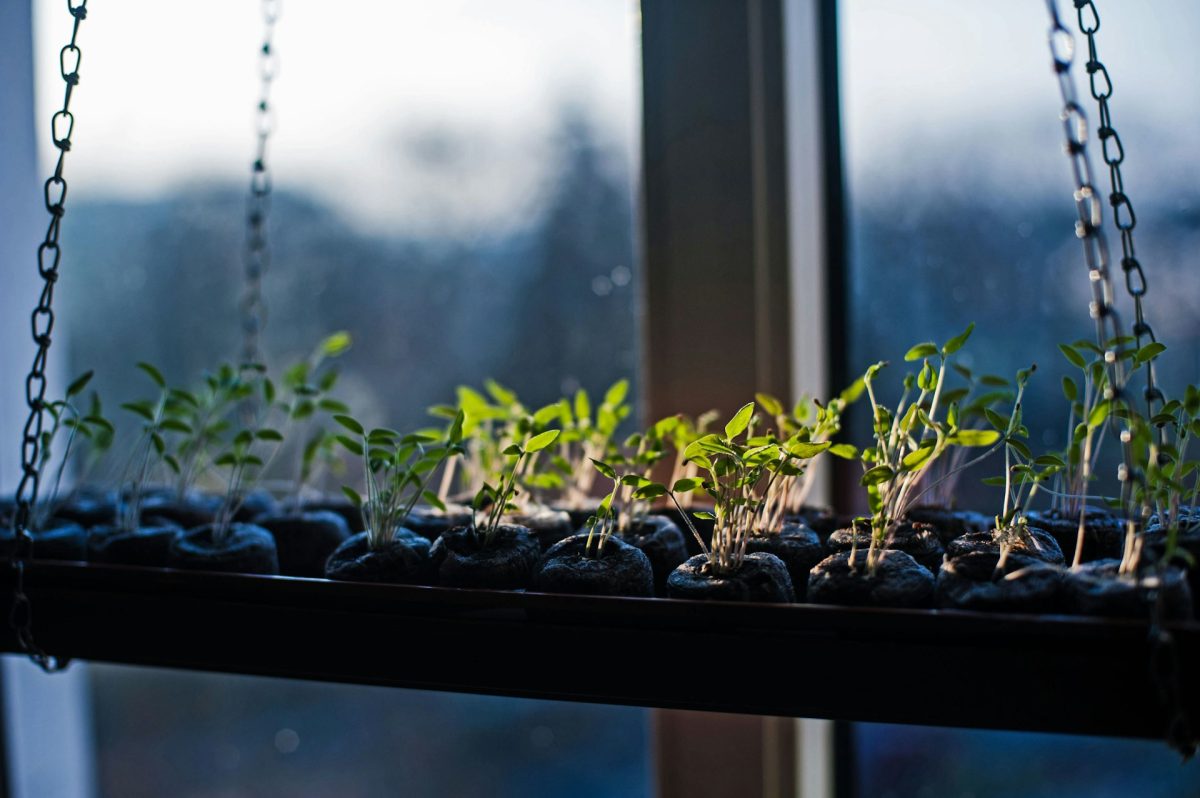
Seedlings crave light like teenagers crave their phones, but giving them the right kind of exposure is where the magic happens. Many plants stretch their stems too long and become floppy when they don’t get enough light, which is the opposite of what any gardener wants. Positioning seedlings under a bright, consistent source of light encourages them to grow strong and compact. Natural sunlight works wonders if it’s available, but a simple grow light can make all the difference, delivering energy exactly where the plant needs it. Adjusting the light source as the seedlings grow prevents those awkward leggy stems that topple over at the first breeze.
While the seedlings soak up the light, rotate them regularly so each side gets a fair share of attention. This technique mimics the gentle movement of the sun across the sky and stops plants from leaning excessively in one direction. Light management isn’t just about survival—it directly affects photosynthesis, which fuels every bit of growth and prepares seedlings for the tougher conditions outside. And don’t forget that timing matters: seedlings thrive when they get roughly 12 to 16 hours of light daily, depending on the species. Balance is key; too little light makes them weak, but too much intense light can scorch young leaves, so monitor carefully and adjust.
Airflow: Tiny Gusts Build Mighty Stems
A common mistake in indoor seedling care is creating a perfectly still environment. Plants love a little breeze, and this movement is like a mini workout for their stems. Even just a small fan on low can simulate outdoor conditions, strengthening the stem tissue without stressing the plant. This gentle “wind training” encourages seedlings to build structural resilience, helping them stand tall when they hit the garden. By promoting airflow, seedlings also get protection against mold and fungal diseases that thrive in stagnant conditions, adding another layer of health to your pre-transplant strategy.
Make sure the fan isn’t blowing directly at one plant for too long, or it could cause uneven growth. Instead, provide intermittent bursts or indirect airflow to keep things balanced. Some gardeners even gently tap seedlings with fingers daily to mimic wind, a surprisingly effective way to train tiny plants. This technique, paired with proper humidity control, sets seedlings up for success without introducing unnecessary stress. Over time, what was once a delicate, wobbly seedling transforms into a confident, upright little warrior, ready to tackle harsher garden conditions with ease.
Root Development: The Hidden Muscle
Strong roots are the backbone of healthy plants, yet they often get overlooked in the excitement of leafy growth. Seedlings with weak roots transplant poorly and struggle to establish themselves in soil. Using a well-draining potting mix gives roots the freedom to expand and prevents waterlogging that can stunt growth. Additionally, slightly loosening the soil around seedlings during early stages encourages roots to branch out rather than circling endlessly inside the container. This technique ensures seedlings establish quickly when moved to the garden, reducing transplant shock and giving them a competitive edge.
Another tip is to water strategically—consistently, but not excessively. Seedlings need moisture to thrive, but allowing the soil to dry slightly between watering cycles teaches them resilience. Think of it as a mini boot camp for roots: a little stress encourages stronger growth and better nutrient uptake. Fertilization also plays a role here; a mild, balanced nutrient solution supports root development without overwhelming tender seedlings. By focusing on root health from the start, every plant will have a solid foundation for reaching its full potential above ground.
Hardening Off: A Gradual Farewell Indoors
The most crucial step before transplanting comes down to patience: hardening off. Moving seedlings from the controlled indoor environment straight into the unpredictable outdoors shocks them, often with disastrous results. Gradually introducing them to sunlight, wind, and fluctuating temperatures prepares seedlings for the real world without setting them back. Start with just an hour or two outside in a sheltered spot and slowly increase exposure over a week or two, always monitoring for signs of stress. This careful adjustment helps seedlings acclimate to soil, moisture, and light conditions they’ll face permanently.
Hardening off also gives plants a chance to “practice” coping mechanisms, like thicker leaves and sturdier stems. Mist lightly on hot days or provide temporary shade to prevent sunburn, and be patient—this transition isn’t a race. Properly hardened seedlings recover faster after transplanting, root faster, and perform better across the growing season. This step is as much about mental toughness for the plant as it is physical growth. By the time they hit their new beds, they’re not just surviving—they’re thriving and ready to shine.
Watching Your Seedlings Soar
Watching seedlings transform from fragile sprouts into resilient garden stars is nothing short of thrilling. Each carefully placed light, gentle gust of wind, strategic watering, and patient hardening step compounds into noticeable strength. These techniques don’t just save plants—they turn gardening into a dynamic, engaging experiment full of small victories. When seedlings finally take root outside, they carry the legacy of all the attention, patience, and love invested in their indoor training. The process becomes a story of triumph that extends beyond the individual plant; it inspires confidence in every gardener watching the garden evolve.
Do you have any tips for strengthening seedlings before they are transplanted? Any and all advice and insight would be greatly appreciated, and we want to hear them in the comments!
You May Also Like…
The Little-Known Secret to Strong, Healthy Seedlings That Costs Almost Nothing
The Common Seedling Mistakes That Destroy Young Plants Before They Grow
March Seedling Diseases to Watch For
Seeds You Can Save From Everyday Foods to Grow New Plants
How to Save Seeds Instead of Buying New Packets

Brandon Marcus is a staff writer for FrugalGardening.com at District Media, Inc., where he delivers practical gardening advice with a relatable, no-nonsense style. An avid amateur gardener, he holds a BA degree and with over ten years of professional writing experience, he is also an award-winning published author whose first book, Questions For Deep Thinkers, was released by Adams Media. His work has appeared in major publications including Fandom.com, CHUD.com, TheColdWire.com, and Fansided.com.
Leave a Reply