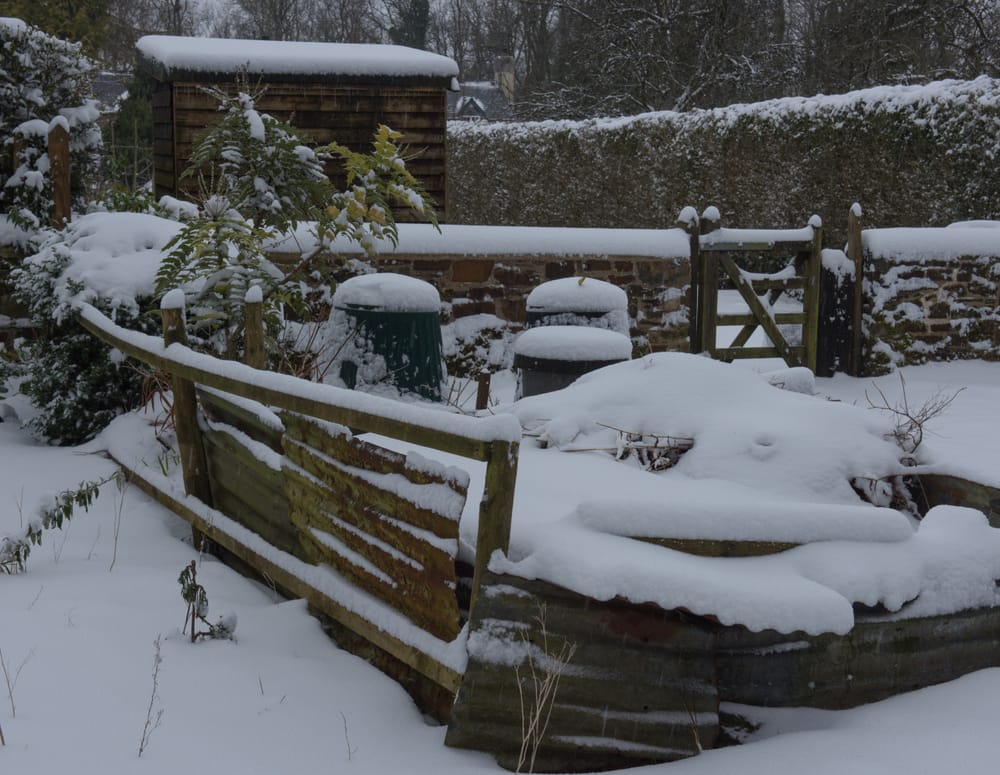
The first snowfall may feel magical, but if your compost pile could talk, it would be screaming, “Cover me!” the moment those icy flakes start landing. Snow might look soft and harmless, but to an exposed compost bin, it’s basically an uninvited guest barging in with a frozen handshake and a plan to halt all decomposition. Anyone who’s ever lifted a compost lid in winter and discovered a sad, frosty, half-frozen mess knows exactly how frustrating it can be.
Composting doesn’t stop just because it’s cold outside—it only slows down when you let nature freeze the whole operation. That’s why understanding why compost needs to be covered before snow arrives can save you time, trouble, and a whole lot of gross surprises in the spring.
Compost Thrives On Heat Retention
Compost is essentially a tiny ecosystem powered by heat-loving microorganisms, and those hardworking microbes need warmth to keep breaking down your scraps. When snow hits an uncovered pile, temperatures inside can drop fast, slowing decomposition to a crawl. Covering your compost acts like a cozy winter blanket, trapping heat and protecting the biological activity happening below the surface.
Even a simple tarp can help preserve enough warmth for microbes to keep munching away at your food waste. If decomposition keeps moving through winter, you’ll have rich, usable compost far sooner once spring arrives.
Moisture Control Prevents A Slushy Mess
Snow may be frozen, but once it melts, it turns into water—and too much water in your compost pile can be a recipe for disaster. Excess moisture compresses the materials inside, reducing airflow and triggering that swampy, rotten smell no homeowner wants drifting through their yard. Covering compost helps regulate moisture levels, keeping the balance of greens, browns, and aeration exactly where it should be. Instead of a soggy, anaerobic mess, you’ll maintain a fluffy, breathable mix that continues to break down efficiently. Protective covering means fewer winter surprises and much less work fixing problems later.
Snow Slows Microbial Activity
When snow settles onto an uncovered compost pile, the temperature drop can send beneficial bacteria and fungi into hibernation mode. These microbes are the engines of decomposition, and without them, your pile essentially goes dormant. Covering compost keeps temperatures more stable, allowing microbial activity to continue even in cold weather conditions. That means more consistent breakdown of food scraps, leaves, and other materials throughout the winter months. When spring comes, you’ll find a pile that’s much further along instead of one that’s barely changed since November.
Pests Love An Exposed Compost Pile
An uncovered compost pile in winter can attract all kinds of unexpected visitors searching for warmth and accessible food. Rodents, raccoons, and even outdoor cats appreciate the shelter and buffet of goodies an open pile provides beneath the snow. Covering compost creates a physical barrier that makes it harder for pests to dig, nest, or feast on your scraps.
Keeping wildlife out isn’t just about protecting your compost—it’s also about preventing diseases, property damage, and unwanted interactions. A secure covering stops winter freeloaders from turning your compost into their seasonal hangout spot.
Covering Helps Maintain Carbon-To-Nitrogen Balance
Snow doesn’t just bring moisture—it also disrupts the delicate balance of carbon and nitrogen your compost pile depends on. Too much melted snow can cause nitrogen-heavy materials, like food scraps, to turn slimy and smelly while washing away some of the lighter carbon-rich browns. Covering the pile ensures the ingredients stay balanced, preventing nutrient loss and preserving the structure of the compost layers. A cover also helps prevent wind from blowing away dry leaves or straw, which are essential carbon components. Maintaining this equilibrium through winter means higher-quality compost by the time the weather warms.
Protecting Compost Reduces Springtime Workload
Anyone who’s managed an uncovered compost pile all winter knows the avalanche of work waiting when spring arrives. You’re left dealing with frozen clumps, waterlogged sludge, and layers that have compacted so tightly they might as well be glued together. Covering your compost before the snow prevents these issues from building up, saving you hours of remixing, drying, and ventilating once the thaw kicks in. Instead of starting from scratch, you’ll pick up right where you left off with healthier, better-structured material. Winter-proofing your pile pays off the moment temperatures rise.
Snow Can Introduce Unwanted Contaminants
Although natural snowfall is relatively clean, it can still carry airborne pollutants, salt from plowed roads, and debris blown in by winter winds. When your compost pile is left uncovered, these contaminants can settle directly into the mix. Covering the pile ensures only the materials you intentionally add become part of the decomposition process. Protecting the quality of your compost means better soil later, especially if you’re using it for vegetables, herbs, or fruit-bearing plants. A simple cover acts like a shield between your compost and whatever the winter sky decides to drop.
Covering Prevents Valuable Nutrients From Leaching Out
The nutrients inside your compost pile—especially nitrogen—are incredibly mobile in water. When snow melts and soaks through an uncovered pile, these nutrients can leach out and wash away into the soil below, leaving your compost weakened. Keeping the pile covered reduces the amount of water infiltration and helps preserve those valuable nutrients where they belong. The result is a richer, more nutrient-dense finished compost. Each bit of winter protection directly strengthens the final product.
Keeps The Structure Aerated And Healthy
A compost pile relies on airflow to stay healthy, and winter can be brutal on its structure. Snow and ice add weight that compresses the materials inside, squeezing out oxygen and slowing decomposition dramatically. Covering your pile helps prevent snow from piling directly onto the surface, keeping the internal layers looser and more breathable. Proper aeration means fewer unpleasant odors and better microbial performance throughout the cold months. A covered compost pile simply ages more gracefully through winter.
Makes Winter Composting Easier For You
Finally, covering your compost isn’t just good for the pile—it’s good for your sanity. Digging into frozen compost to add scraps becomes a chore nobody looks forward to, but a covered bin stays warmer and more accessible. You’ll spend less time chiseling through icy layers and more time actually contributing to your composting progress. A cover also keeps the area cleaner, preventing wind-blown debris and reducing the overall mess around your bin. Winter composting becomes simpler, smoother, and far more enjoyable.
Protect Your Compost Before Winter Strikes
Covering compost before snow falls isn’t just optional—it’s essential if you want efficient decomposition, nutrient retention, and minimal headaches once spring returns. A little preparation goes a long way in keeping your pile warm, balanced, and pest-free during the coldest months. Winter might slow things down, but it doesn’t have to stop your composting progress completely.
Have you ever tried winter composting, or learned the hard way what happens when you don’t cover your pile? Share your experiences, stories, or questions in the comments section.
You May Also Like…
8 Compost Additives Perfect for Fall Breakdowns
6 Wildflowers to Scatter Before the Snow Comes
How to Spot Hidden Disease in Your Compost Pile Before It Spreads
Why Your Compost Needs More Carbon in Fall
How to Prep Raised Beds for Snowfall

Brandon Marcus is a staff writer for FrugalGardening.com at District Media, Inc., where he delivers practical gardening advice with a relatable, no-nonsense style. An avid amateur gardener, he holds a BA degree and with over ten years of professional writing experience, he is also an award-winning published author whose first book, Questions For Deep Thinkers, was released by Adams Media. His work has appeared in major publications including Fandom.com, CHUD.com, TheColdWire.com, and Fansided.com.
Leave a Reply