Your houseplants have spent the summer thriving on the patio, growing lush leaves and enjoying the warm sunshine. Now that nighttime temperatures are dropping, you’re ready to bring them indoors before the first frost. You carry your favorite plants into the living room, arrange them beside your other greenery, and congratulate yourself on saving them from the cold. Unfortunately, you may have just introduced an entire colony of unwanted pests into your home.
One of the biggest mistakes gardeners make when bringing houseplants indoors for winter is skipping the inspection and quarantine process. Insects that were barely noticeable outside can multiply quickly inside, potentially spreading to plants you’ve spent years growing. Here’s how to make the transition without turning your indoor garden into a pest problem.
Your Outdoor Plants May Be Hiding Unwanted Guests
A houseplant can look perfectly healthy while harboring insects that become serious problems once brought indoors. Aphids, spider mites, whiteflies, mealybugs, and scale insects can hide beneath leaves, along stems, and in small crevices around plant growth. These pests can multiply rapidly indoors and spread to other houseplants. Outside, rainfall and natural predators help suppress some pest populations, but those protections are largely absent inside a heated home. That’s why bringing houseplants indoors for winter without examining them first can put your entire collection at risk.
The Most Important Inspection Happens Before You Move Anything
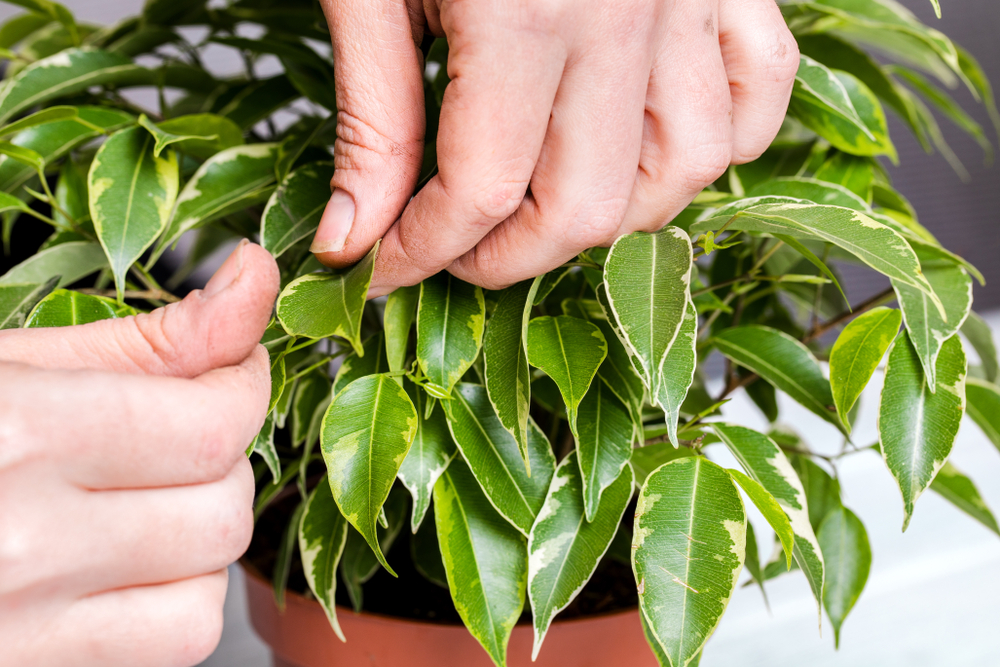
Before carrying a plant through your front door, place it somewhere with good lighting and examine it carefully. Check the undersides of leaves, new growth, stems, and places where leaves connect to branches for insects, eggs, sticky residue, or fine webbing. It is recommended that you use a magnifying lens when necessary because some houseplant pests are extremely small. White cottony patches may indicate mealybugs, while delicate webbing and stippled leaves can suggest spider mites. Catching a problem outside gives you an opportunity to address it before the insects spread throughout your home.
Don’t Forget to Check What’s Hiding in the Soil
Leaves aren’t the only places unwanted visitors can hide during the transition indoors. Ants, earwigs, fungus gnats, and other small creatures may be living in the potting mix or sheltering beneath containers. Inspecting the soil and flushing containers with water is recommended to help remove certain insects. If you discover a significant infestation, repotting into fresh, appropriate potting mix may be necessary rather than simply spraying the leaves. Also inspect drainage holes, saucers, and the undersides of pots, where insects can remain unnoticed until the plants are already inside.
A Simple Rinse Can Remove Many Common Pests
You don’t necessarily need expensive chemicals to prepare outdoor houseplants for their winter home. A steady stream of water from a garden hose can dislodge many aphids, spider mites, and other small insects from foliage. Washing plants thoroughly before moving them inside is an effective first step in reducing pest problems. Pay special attention to leaf undersides, but use gentle water pressure on delicate plants to avoid damaging stems or foliage. If pests remain, consider a product specifically labeled for the plant and pest involved, following all application instructions and indoor-use restrictions.
Putting Plants Beside Your Existing Collection Is the Real Mistake
After cleaning your plants, it’s tempting to arrange them immediately beside your favorite indoor greenery. However, pests or eggs may remain hidden even after a careful inspection, making immediate placement unnecessarily risky. Isolating returning plants for approximately three to four weeks is recommended before placing them near established houseplants. A spare bedroom, separate growing area, or other suitable location with adequate light can serve as a temporary quarantine space. During that period, inspect plants regularly for new insects, sticky leaves, webbing, or other warning signs before allowing them to join your collection.
Waiting Until the First Frost Could Be Too Late
Another common mistake when bringing houseplants indoors for winter is assuming tropical plants can safely remain outside until freezing temperatures arrive. Many popular houseplants begin experiencing cold stress well before the thermometer reaches 32 degrees Fahrenheit. Moving most houseplants indoors when nighttime temperatures begin falling below approximately 50 degrees is best. Some particularly cold-sensitive species may require protection sooner, while certain succulents and cacti tolerate cooler conditions. Instead of relying on a fixed calendar date, monitor your local nighttime forecast and understand the temperature requirements of each plant.
Suddenly Moving Plants Indoors Can Trigger Leaf Drop
Even plants that arrive indoors completely pest-free may struggle with the sudden change in growing conditions. Outdoor sunlight is often considerably stronger than indoor light, while heated homes generally have lower humidity and less air movement. You should gradually reduce light exposure for one to two weeks before moving plants indoors to help them adjust. For example, moving a potted hibiscus from a sunny patio into a shaded outdoor location before bringing it inside may reduce the shock of the transition. Some yellowing or leaf drop can still occur, but that doesn’t automatically mean your plant is dying or infested.
Your Summer Watering Schedule Could Kill Your Plants Indoors
Plants that needed frequent watering outside during hot weather usually require less moisture once they’re indoors. Shorter days, lower light levels, and slower winter growth reduce how quickly many houseplants use water. Overwatering and poor drainage can encourage root rot and fungus gnats. Instead of watering every two days because that worked during summer, check the potting mix and water according to the plant’s actual needs. Empty excess water from saucers and make sure containers have adequate drainage to avoid creating persistently soggy conditions.
You May Not Need to Fertilize Again Until Spring
It’s natural to want to give returning houseplants an extra boost with fertilizer after moving them inside. However, many houseplants slow their growth considerably during winter, meaning they need fewer nutrients than during their active growing season. Fertilizer is generally unnecessary while plants are adjusting and producing little new growth. Applying more fertilizer than a plant can use may contribute to salt buildup in the potting mix and potentially damage sensitive roots. Unless your plant is actively growing and has specific nutritional needs, waiting until growth resumes can save money and reduce unnecessary stress.
A Little Preparation Now Can Save Your Entire Plant Collection
Bringing houseplants indoors for winter should protect your plants from cold weather, not expose the rest of your collection to pests and preventable problems. Before moving anything inside, inspect the foliage and soil, remove unwanted insects, and clean the containers thoroughly. Give returning plants their own space for several weeks, allowing time to detect hidden infestations before introducing them to established indoor greenery. Gradually adjust light exposure, reduce watering as growth slows, and avoid unnecessary fertilizer applications during the transition. These simple precautions can help your plants survive winter while saving you the expense of replacing damaged or pest-infested favorites.
Have you ever brought a plant indoors for winter only to discover insects, yellowing leaves, or unexpected problems? What happened, and how did you handle it? Share your experience in the comments!
What to Read Next
This Tiny Pest Can Hitchhike Indoors on Your Houseplants This Fall
Bringing Houseplants Back Inside? Check These 6 Places for Bugs First
Why Are Gardeners Moving Houseplants Outdoors for the Summer?
Leave a Reply