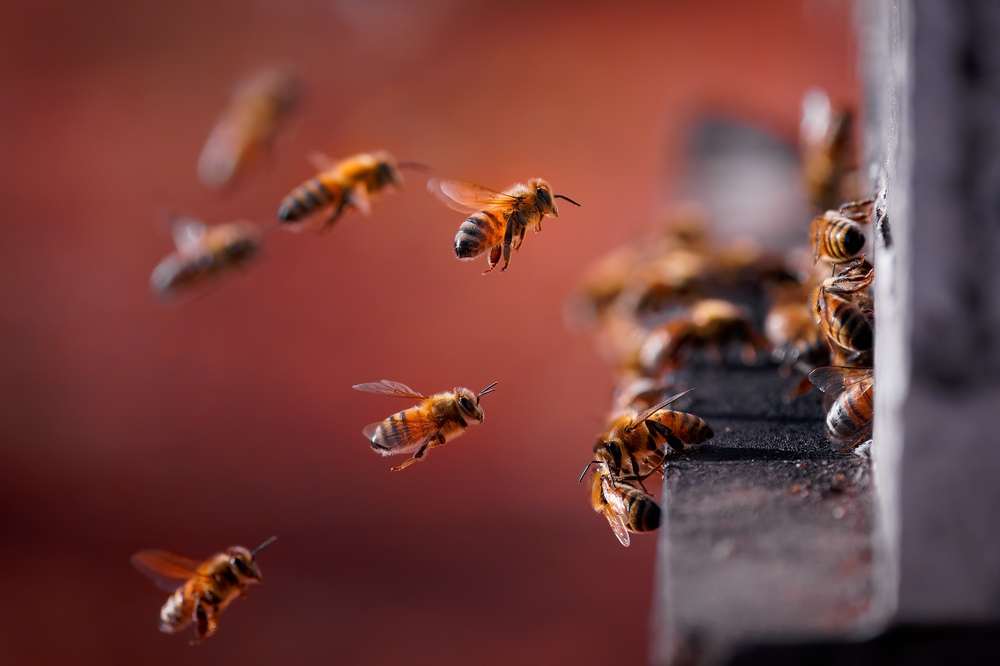
The buzz around pollinators keeps getting louder, and for good reason. Bees, butterflies, beetles, and even bats hold entire ecosystems together, yet their numbers keep dropping at a worrying pace. Everyone hears the same advice: plant more flowers. That sounds great until space runs out, budgets tighten, or climates refuse to cooperate. A yard, balcony, or patch of land can still support pollinators without turning into a floral explosion, and that opens the door to some seriously creative solutions.
Pollinators need far more than nectar. They need shelter, water, safety, and places to raise the next generation. A space packed with flowers but stripped of those essentials still leaves them struggling. That means anyone can step up and help, even without planting a single bloom. A few thoughtful changes can quietly transform an ordinary space into a thriving refuge buzzing with life and purpose.
The Power of a Messy Yard (Yes, Really)
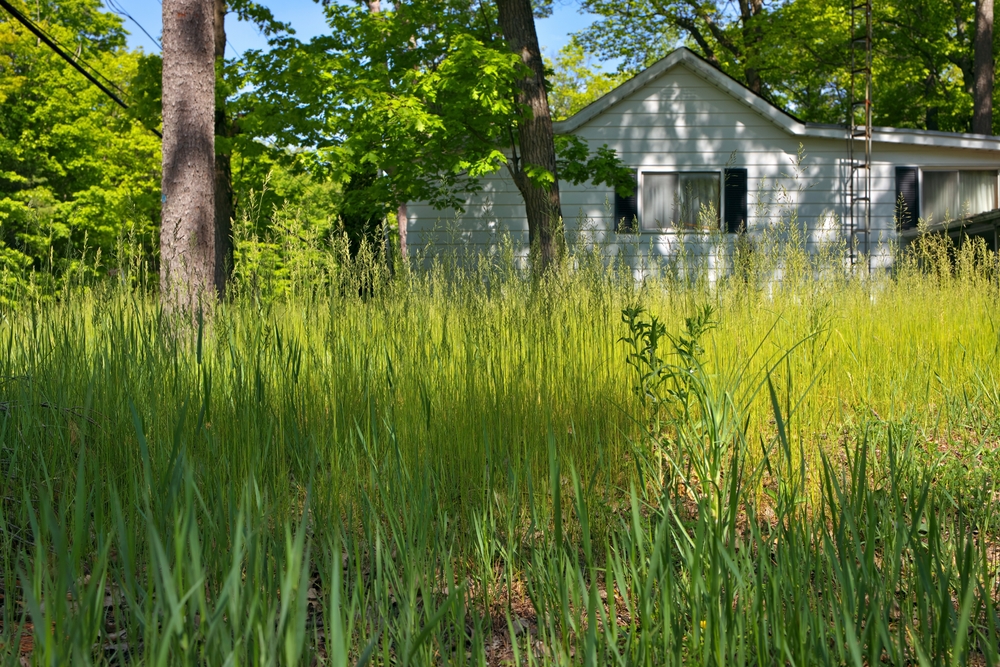
Perfectly manicured spaces look satisfying, but they leave pollinators with almost nothing to work with. Fallen leaves, twigs, and even small piles of yard debris create shelter for insects that pollinate plants and support ecosystems. Many native bees build nests in the ground or hide in hollow stems, so a yard that keeps a bit of its natural chaos gives them a place to live. Clean-up routines that strip everything away remove those critical habitats and force pollinators to move on or disappear entirely. A shift toward a “controlled messy” approach allows nature to function while still keeping things visually appealing.
Leaving a corner of the yard untouched can make a dramatic difference. A small patch of undisturbed soil invites ground-nesting bees to settle in and raise their young. Old logs or branches stacked neatly in a corner create hiding spots for beetles and other helpful insects. Even dry grass left standing through part of the year can support overwintering species that emerge when temperatures rise again. These simple choices require no extra money and very little effort, yet they offer a huge payoff for biodiversity.
That approach also reduces maintenance time, which feels like a bonus worth celebrating. Less mowing, less raking, and less hauling means more time to enjoy the space instead of constantly working on it. A yard that embraces a little wildness tells pollinators they can stay, settle, and thrive. That message matters more than any perfectly trimmed hedge ever could.
Water Sources That Make Pollinators Pause and Stay
Pollinators don’t just need food; they need water to survive and regulate their body temperature. A simple water source can draw in bees, butterflies, and even birds, especially during hot or dry periods. A shallow dish filled with water and dotted with stones or marbles gives insects a safe place to land without the risk of drowning. Moving water, like a small fountain, can attract even more activity because it catches attention and stays fresher for longer periods.
Placement matters just as much as the water itself. A shaded spot prevents water from evaporating too quickly and keeps it cooler, which pollinators prefer. Regular cleaning prevents algae buildup and keeps the water safe for visitors. Even a repurposed container, like an old bowl or plant saucer, can become a vital hydration station with almost no effort. These small additions create reliable stopping points that pollinators remember and revisit.
Consistency builds trust in the natural world. When pollinators find a dependable water source, they return again and again, and they often bring more activity with them. That steady presence strengthens local ecosystems and supports plant life nearby, even if no new flowers enter the picture. A tiny pool of water can quietly become one of the most important features in any outdoor space.
Skip the Chemicals and Watch Life Return
Chemical pesticides promise quick fixes, but they create long-term damage that spreads far beyond the intended target. Many products harm pollinators directly or disrupt their ability to navigate and reproduce. Even small amounts can weaken entire populations over time. A space free from harsh chemicals instantly becomes more welcoming to bees, butterflies, and other beneficial insects. That shift alone can lead to noticeable changes in pollinator activity.
Natural alternatives offer effective ways to manage pests without harming the ecosystem. Hand-picking unwanted insects, introducing beneficial predators, or using barriers like netting can keep problems under control. Healthy soil and strong plants also resist pests more effectively, which reduces the need for intervention in the first place. A balanced environment tends to regulate itself when given the chance.
That choice also protects more than just pollinators. Birds, small mammals, and even people benefit from a cleaner, safer environment. Removing chemicals from the equation creates a ripple effect that improves the entire ecosystem. Pollinators respond quickly to that change, often returning in greater numbers once the threat disappears.
Build a Bug Hotel That Actually Gets Booked
Pollinators need places to rest, hide, and reproduce, and a well-designed bug hotel can provide all three. These structures use natural materials like bamboo, wood, and hollow stems to create small cavities where insects can nest. Solitary bees, in particular, love these spaces because they don’t live in hives and need individual nesting spots. A thoughtfully placed bug hotel can attract a surprising variety of species.
Location plays a huge role in success. A sunny, sheltered spot keeps the structure warm and dry, which pollinators prefer. Mounting it a few feet above the ground protects it from predators and moisture. Using untreated materials ensures that no harmful chemicals leach into the environment. Regular checks and occasional cleaning keep the hotel safe and usable for future residents.
A bug hotel also adds visual interest to a space, especially when built with creativity in mind. Different textures and shapes create a rustic, natural look that blends beautifully into outdoor areas. It becomes both a functional habitat and a conversation piece that sparks curiosity about the tiny creatures living inside. That combination of purpose and personality makes it a standout addition to any pollinator-friendly setup.
Light Pollution: The Silent Disruptor
Artificial light at night interferes with pollinators in ways that often go unnoticed. Many insects rely on natural light cues to navigate, find food, and reproduce. Bright outdoor lighting can confuse them, disrupt their behavior, and even lead to exhaustion or death. Reducing unnecessary lighting helps restore a more natural environment that supports nighttime pollinators like moths and certain beetles.
Simple changes can make a big impact. Switching to motion-activated lights limits constant exposure while still providing security. Using warmer, dimmer bulbs reduces the intensity that disrupts insect activity. Shielding lights so they point downward instead of spreading outward helps keep the surrounding environment darker and more natural. These adjustments create a calmer nighttime setting that benefits a wide range of species.
A darker night sky doesn’t just help pollinators. It also enhances the overall atmosphere, making outdoor spaces feel more peaceful and connected to nature. Stars shine brighter, and the environment feels more alive in a quieter, more balanced way. Pollinators thrive under those conditions, and their presence supports the entire ecosystem.
Small Changes, Big Buzz
A thriving pollinator habitat doesn’t demand a garden full of flowers. It thrives on intention, balance, and a willingness to work with nature instead of against it. A slightly messy yard, a simple water source, chemical-free practices, thoughtful shelter, and reduced lighting all come together to create a powerful impact. Each small change builds on the others, forming a network of support that pollinators can rely on every day.
What changes feel doable right now, and which ideas spark the most curiosity? Share thoughts, experiences, or even creative twists on these strategies in the comments and keep the conversation buzzing.
You May Also Like…
Affordable Ways to Create Pollinator Habitats That Attract Bees and Butterflies
9 Natural Ways to Deter Snails Without Harming Pets or Pollinators
The Unexpected Insect That Devours New Leaves Before You Notice Damage
How to Spot Overwintering Insects in Mulch
This “Cheap Pollinator Trick” Is Backfiring — What Homeowners Should Do Instead

Brandon Marcus is a staff writer for FrugalGardening.com at District Media, Inc., where he delivers practical gardening advice with a relatable, no-nonsense style. An avid amateur gardener, he holds a BA degree and with over ten years of professional writing experience, he is also an award-winning published author whose first book, Questions For Deep Thinkers, was released by Adams Media. His work has appeared in major publications including Fandom.com, CHUD.com, TheColdWire.com, and Fansided.com.
Leave a Reply