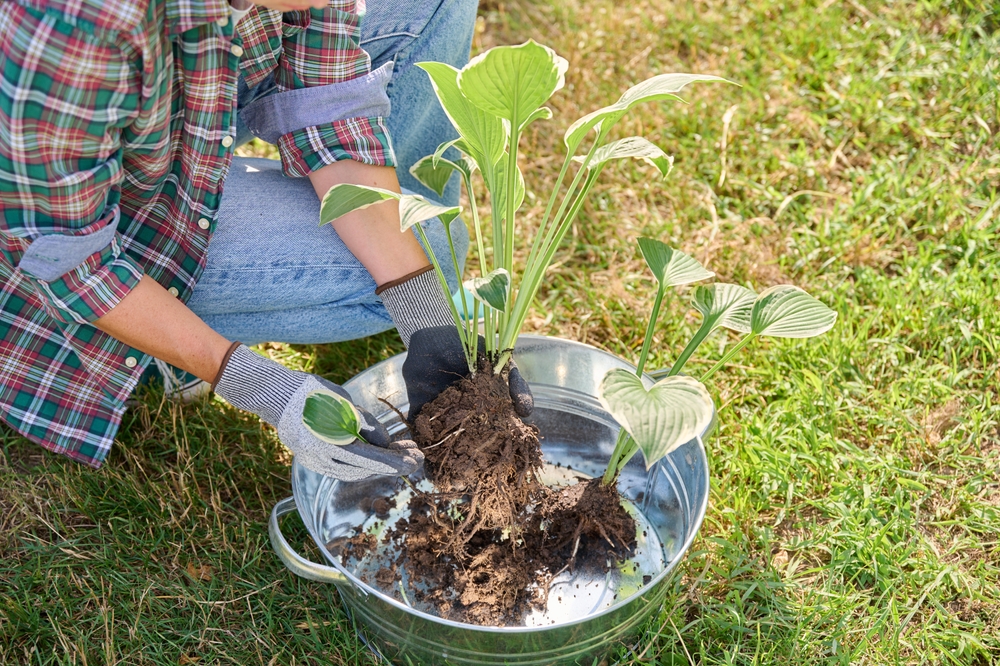
Free plants are one of the best perks of having gardening neighbors. Someone divides their hostas, thins out an overcrowded flower bed, or offers you a few extra perennials, and suddenly you’ve saved $50 or more at the garden center. But that generous gift could come with something you definitely didn’t bargain for: an invasive pest hiding in the soil around the roots. Even worse, you might not discover the problem until it has already spread throughout your garden.
The hidden threat is invasive jumping worms, an increasingly widespread group of earthworms that can damage soil structure and disrupt plant growth. Exchanging plants dug directly from the ground is one way these worms can spread between properties. Before accepting another free plant, here’s what gardeners need to know.
The Real Danger May Be Hiding Beneath the Roots
When someone offers you a healthy-looking perennial, it’s natural to focus on the leaves, stems, and flowers. However, the soil surrounding those roots can contain tiny jumping worm cocoons that are almost impossible to notice during a casual inspection. The University of Minnesota Extension identifies potted plants, garden soil, mulch, and compost as potential pathways for spreading these invasive earthworms. That means a perfectly healthy-looking hosta division could introduce an unwanted species into your yard without anyone realizing it. The risk isn’t necessarily the plant itself, but the potentially contaminated soil traveling with it.
These Worms Can Turn Healthy Soil Into Coffee Grounds
Unlike many familiar earthworms, invasive jumping worms feed aggressively in the upper layers of soil and leaf litter. Their activity can transform rich organic material into loose, granular castings that resemble used coffee grounds. The Minnesota Department of Natural Resources warns that these changes can negatively affect soil structure and create difficult conditions for garden plants. Seedlings and shallow-rooted perennials may struggle when soil loses some of its moisture-retaining qualities and protective organic layer. Unfortunately, gardeners may not connect declining plant health with the free plants they accepted months earlier.
Look for This Unusual Movement and Pale Band
If you notice earthworms in the soil surrounding a donated plant, watch how they move when disturbed. Jumping worms are known for their vigorous thrashing, snake-like movements, and occasional jumping behavior, which can look dramatically different from ordinary nightcrawlers. Mature jumping worms also have a smooth, pale gray or whitish band that completely encircles the body near the head. This band, called the clitellum, differs from the raised, saddle-shaped structure found on many familiar earthworm species. However, immature jumping worms may lack an obvious band, so the absence of this feature doesn’t guarantee that a plant’s soil is free of them.
You Could Bring Home Eggs Without Seeing a Single Worm
One of the most frustrating things about invasive jumping worms is that adults aren’t necessary for an infestation to spread. Their tiny egg-containing cocoons can survive in soil even when no living worms are visible. Early spring plant divisions may contain cocoons before young worms have hatched. By late summer or fall, adult worms may be easier to identify, but they’ve often already deposited cocoons in the surrounding soil. This means simply checking a donated plant for moving worms isn’t enough to eliminate the risk.
Ask Your Neighbor One Important Question First
Before accepting a free plant, ask whether the gardener has ever noticed jumping worms or unusual coffee-ground-like soil in their flower beds. Asking about suspected jumping worms and sanitation practices is recommended before participating in plant exchanges. You can also ask whether the plant was dug directly from the ground, grown in clean potting mix, or propagated from a cutting. If the property has a known infestation, declining the rooted plant is the safest choice, even if it looks perfectly healthy. A polite conversation can protect your garden without turning a generous neighborly gesture into an uncomfortable disagreement.
Bare-Root Plants Are Often a Safer Alternative
You don’t necessarily have to give up plant swaps or free garden divisions to reduce your risk. It is recommended that you remove soil from plant roots before transporting them and use clean potting mix when plants need to be repotted. For example, instead of accepting a hosta surrounded by a large clump of garden soil, you could ask for a division with the roots thoroughly washed and the original soil left behind. This approach helps remove potentially contaminated material while allowing you to enjoy the benefits of sharing plants. However, bare-rooting reduces risk rather than guaranteeing safety, and plants from known infested gardens generally shouldn’t be exchanged.
A Free Plant Could Become an Expensive Landscaping Problem
Saving money is usually the reason gardeners happily accept free plants, but an invasive pest can undermine those savings. Imagine receiving three free perennials worth $20 each, only to discover that contaminated soil has introduced jumping worms into an established garden bed. There is currently no broadly reliable, approved chemical treatment for eliminating established jumping worm populations from residential landscapes. Focus on prevention, containment, and limiting the movement of potentially infested materials. While not every introduction results in visible plant damage, protecting existing landscaping is far less expensive than replacing struggling plants or contaminated materials.
Check the Soil Before Bringing Anything Into Your Garden
If you accept plants from a garden without known jumping worm activity, inspect the roots and surrounding material before planting. Look for unusually granular soil, visible worms, and other signs of contamination, but remember that cocoons may remain hidden. Remove soil before transporting shared plants and clean gardening equipment that may carry contaminated material. When washing roots, keep the removed soil and rinse water at the source property rather than spreading them into another garden. If you discover suspicious worms, photograph them for identification and contact your local cooperative extension office before moving the plant farther.
Seeds and Cuttings Can Help You Save Money More Safely
Fortunately, there are other ways to enjoy free plants without transporting large amounts of garden soil. Seeds, suitable stem cuttings, and properly prepared bare-root plants can provide affordable alternatives to moving freshly dug perennials. Gardeners should practice sanitation and carefully remove soil when sharing plant divisions. For example, a neighbor could give you rosemary cuttings to root in clean potting mix rather than transferring an established plant with potentially contaminated soil. Choosing these alternatives can help preserve the tradition of plant sharing while reducing the likelihood of accidentally spreading invasive pests.
Free Plants Are Wonderful, but Clean Roots Matter More
Sharing plants with neighbors is one of the most affordable and rewarding ways to expand a garden. However, the growing concern surrounding invasive jumping worms means gardeners should pay closer attention to what might be traveling beneath the soil surface. Before accepting rooted plants, ask about the source garden, inspect the soil, and consider safer alternatives such as seeds, cuttings, or carefully cleaned bare-root divisions. If jumping worms are known to be present, avoid moving rooted plants or soil from that property into unaffected gardens. A few minutes of caution could help protect years of landscaping work and keep a generous gift from becoming an expensive gardening mistake.
Have you ever received free plants from a neighbor or participated in a plant swap, and do you inspect the roots and soil before planting? Share your experience in the comments!
What to Read Next
That Free Firewood Could Bring a Tree-Killing Pest Into Your Yard
5 Places to Find Free Plants Without Stealing Cuttings From Someone’s Yard
Can You Really Grow Free Plants From Grocery Store Produce? Here’s What’s Worth Trying
Leave a Reply