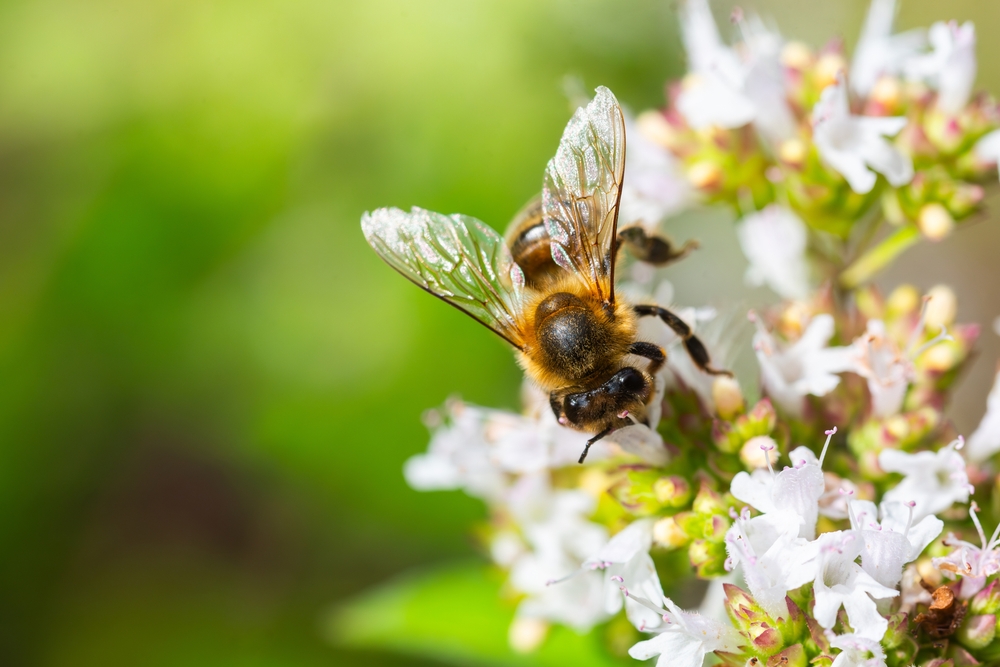
A garden packed with pollinator plants can look like a colorful buffet, but a shorter list featuring the right keystone plants may deliver a much bigger ecological impact. Choosing plants that support entire food webs helps gardeners create spaces where butterflies, bees, birds, and other wildlife find more than just a quick snack.
Many gardening guides focus on adding as many pollinator-friendly flowers as possible, and that approach certainly brings beauty and activity to a yard. However, a garden filled with dozens of attractive blooms may miss one important piece of the puzzle: the plants that support the insects that support everything else.
Keystone Plants Build the Foundation of a Backyard Ecosystem
Keystone plants serve as the heavy lifters of a garden because they support a wide range of insects, especially during important parts of their life cycles. Native oak trees, for example, provide food and shelter for many caterpillar species that later become meals for backyard birds. A flowering plant may attract a few adult pollinators, but a keystone plant can support generations of wildlife from spring through fall. This difference turns a garden from a pretty display into a functioning habitat. The magic often happens in places gardeners overlook, such as tree branches, stems, and leaves.
A gardener adding native plants often notices that certain species bring surprising visitors after a season or two. A backyard with native goldenrod, asters, native willows, or oak trees can become a busy neighborhood for insects, birds, and other creatures. These plants create connections between different parts of the ecosystem rather than simply decorating a flower bed. A long pollinator list can feel impressive on paper, but a thoughtful plant selection creates deeper benefits. Quality often beats quantity when building a wildlife-friendly garden.
A Longer Plant List Does Not Always Mean a Better Garden
Many pollinator plant lists create excitement because they offer endless options for adding color and variety. The problem appears when gardeners choose plants based only on flower shape or bloom color without considering local wildlife needs. Some popular ornamental plants attract bees but offer little support for caterpillars and other insects that birds rely on. A garden can buzz with activity while still missing crucial links in the food chain. That realization changes the way many gardeners think about planting.
A balanced garden does not need to become a giant research project filled with complicated charts and labels. Gardeners can start by replacing a few non-native plants with regional natives that provide food and shelter throughout the year. The goal involves creating layers, including trees, shrubs, flowers, and ground covers that work together. Even a small planting area can contribute when it includes plants with strong ecological value. A garden does not need a celebrity plant lineup to make a difference.
Choosing Keystone Plants Requires Looking Beyond the Flower
The biggest mistake many gardeners make involves judging plants only by their blooms. Flowers attract attention, but leaves often provide the real nursery space for countless insects that never appear on a garden checklist. Native plants developed alongside local wildlife, which means many insects recognize them as reliable food sources. This relationship helps explain why a single well-chosen native tree or shrub can sometimes outperform several decorative flowers. The quiet work happens behind the scenes, long before a gardener notices a bird feeding among the branches.
When selecting keystone plants, gardeners should consider their region, soil conditions, sunlight, and available space. A large oak tree may work beautifully in one yard but create problems in a tiny garden where roots and branches need more room. Smaller options such as native shrubs, grasses, and perennial flowers can provide valuable habitat without overwhelming the landscape. Local native plant societies, extension offices, and reputable nurseries can help identify strong choices. Smart gardening starts with matching the plant to the place.
A Stronger Garden Begins With Fewer but Better Choices
Keystone plants remind gardeners that a successful landscape does not depend on collecting the longest possible plant list. The best gardens often combine beauty with purpose by choosing species that support wildlife in meaningful ways. A yard filled with carefully selected native plants can provide food, shelter, and breeding space instead of simply offering a seasonal show. This approach also reduces the pressure to constantly add more plants just to chase the next gardening trend. The result feels more natural, more connected, and often easier to maintain.
Building a wildlife-friendly garden does not require removing every favorite flower or redesigning the entire yard overnight. Gardeners can begin with one native shrub, one tree, or one small planting area and expand over time. The most valuable gardens often grow through thoughtful decisions rather than rushed shopping trips at the garden center. Keystone plants prove that a few powerful choices can create a much bigger impact than a crowded list of random selections. The question is not how many plants fill the garden, but how much life those plants support.
What plants have made the biggest difference in your own garden, and which keystone plants would you recommend to other gardeners?
You May Also Like…
Can You Use Pruned Herb Stems to Start Free New Plants?
No‑Mow Flowering Lawns Attract Pollinators and Reduce Maintenance—Here’s How to Start
8 Pollinator-Friendly Plants That Bloom for Months
7 Plants That Help Pollinators Survive Extreme Heat

Brandon Marcus is a staff writer for FrugalGardening.com at District Media, Inc., where he delivers practical gardening advice with a relatable, no-nonsense style. An avid amateur gardener, he holds a BA degree and with over ten years of professional writing experience, he is also an award-winning published author whose first book, Questions For Deep Thinkers, was released by Adams Media. His work has appeared in major publications including Fandom.com, CHUD.com, TheColdWire.com, and Fansided.com.
Leave a Reply