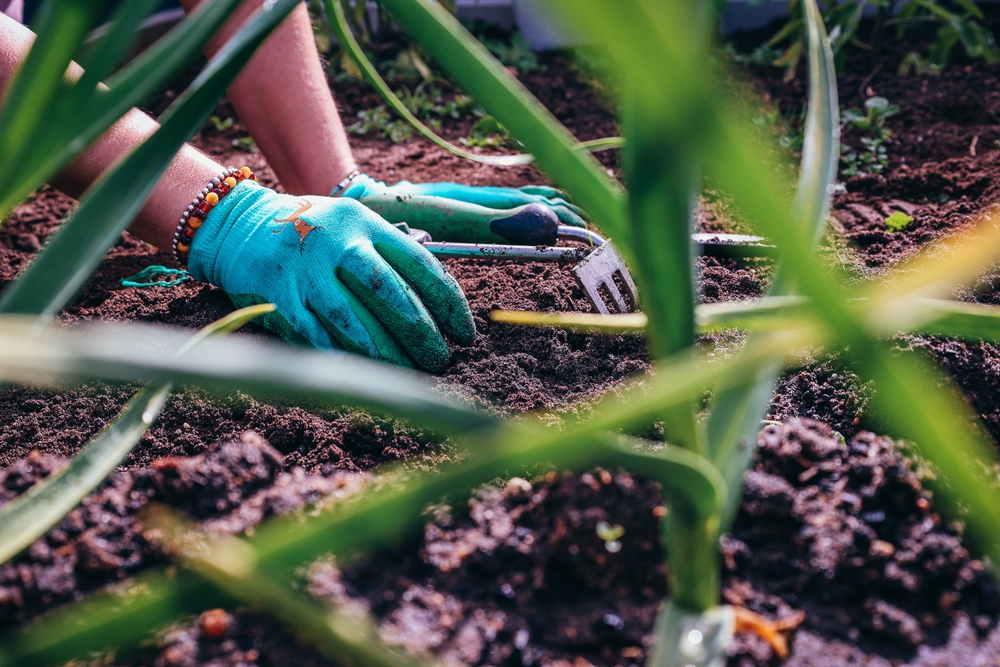
Gardening usually involves getting a little dirt under the fingernails, but some plants can make that hands-on approach a genuinely bad idea. Certain species can sting instantly, trigger an itchy rash hours later, or leave skin dangerously sensitive to sunlight. A pair of gloves can turn a questionable gardening decision into a very uneventful afternoon.
That does not mean every suspicious-looking plant deserves a dramatic retreat. Plenty of plants simply cause minor scratches, while others contain oils, hairs, or sap that can cause significant skin reactions. The trick involves knowing which plants deserve respect, especially when pruning, weeding, transplanting, or clearing an overgrown corner of the yard.
1. Poison Ivy
Poison ivy earns the top spot because its deceptively ordinary appearance can fool even experienced gardeners, while its urushiol oil can trigger an intensely itchy rash. Every part of the plant contains urushiol, including leaves, stems, roots, flowers, and berries.
The tricky part comes after the initial contact because the rash may not appear for a day or several days. Dead poison ivy can still carry urushiol, so yanking out a dried vine with bare hands creates the same problem as grabbing a fresh one. Wash exposed skin promptly with soap and water, and wash contaminated clothing and tools separately because the oil can linger on them.
2. Giant Hogweed
Giant hogweed looks dramatic enough to attract attention, but its sap deserves attention of a much less enjoyable kind. The sap contains furanocoumarins that can make skin extremely sensitive to ultraviolet light, which can lead to painful redness, blistering, burns, and sometimes scarring.
The plant can grow enormous, with deeply divided leaves and a thick, mottled stem that helps distinguish it from some harmless relatives. If a suspicious plant resembles giant hogweed, skip the hands-on identification and contact the appropriate local invasive-plant authority instead. After exposure, wash the skin thoroughly and keep it away from sunlight because sunlight can intensify the reaction.
3. Wild Parsnip
Wild parsnip creates a particularly sneaky gardening hazard because it looks like the sort of ordinary roadside plant someone might casually pull. Its sap can cause severe blistering and swelling when exposed skin later meets sunlight.
That delayed reaction makes the plant especially troublesome because nothing may seem wrong during the cleanup itself. Wear gloves, long sleeves, and long pants when clearing areas where wild parsnip grows, and wash exposed skin promptly after contact. Do not assume that a familiar-looking umbrella-shaped flower makes a plant safe because several members of this plant group look remarkably similar.
4. Stinging Nettle
Stinging nettle does not need sunlight or a delayed chemical reaction to make its point. Tiny hollow hairs cover the leaves and stems, and contact can inject irritating substances into the skin, producing rapid burning, itching, redness, and tingling.
The plant can turn a simple weeding session into a surprisingly memorable experience, particularly when someone reaches into dense foliage without looking. Thick gardening gloves provide a much better defense than bare fingers, especially when pulling mature plants. The irritation usually proves temporary, but the immediate sting gives plenty of reason to stop treating nettle like an ordinary weed.
5. Euphorbia
Euphorbia covers a huge group of ornamental and wild plants, and many members produce a milky white sap that can irritate skin, eyes, and the mouth. The sap can cause redness, swelling, burning, and blistering when it contacts skin.
Pruning or snapping a stem can release the sap, which makes gloves particularly useful when handling spurges. Eye protection also makes sense during pruning because a stray splash can cause serious irritation and temporary vision problems. If sap reaches the eyes, rinse them with clean water for 15 to 20 minutes and seek medical attention for significant pain or vision changes.
6. Rue
Rue has a long history as an ornamental and herbal plant, but its foliage contains compounds called psoralens that can cause a phototoxic reaction. When those compounds contact skin and ultraviolet light reaches the exposed area, the combination can produce a painful skin reaction.
This plant therefore deserves extra caution during sunny gardening sessions. Gloves and covered arms reduce the chance of sap contacting skin in the first place, which beats discovering a reaction after spending an afternoon outdoors. Washing exposed skin promptly and limiting sun exposure provide sensible precautions whenever rue sap gets onto bare skin.
7. Poison Oak
Poison oak belongs to the same toxicodendron group as poison ivy and poison sumac, so its attractive leaves can conceal an equally unpleasant surprise. Urushiol oil causes the characteristic itchy, sometimes blistering rash, and the oil can remain on dead plant material.
Poison oak typically grows as a shrub and often carries leaflets that resemble small oak leaves, although appearance varies by species and region. Gloves, long sleeves, and pants help limit exposure when working in areas where it grows. If contact occurs, wash the affected skin promptly with soap and water and clean contaminated clothing and tools before they spread the oil elsewhere.
The Smart Gardener’s Rule: Gloves First, Curiosity Second
Bare hands make gardening feel wonderfully direct, but they also put skin directly against every thorn, hair, oil, and sap hiding among the leaves. The safest approach involves identifying unfamiliar plants before grabbing, pulling, pruning, or crushing them.
When contact does happen, quick action matters, particularly with irritating sap and urushiol-containing plants. Wash exposed skin thoroughly, avoid touching the face and eyes, launder contaminated clothing, and seek medical care for severe swelling, extensive blistering, breathing trouble, or significant eye exposure.
Which plant has caused the most memorable gardening mishap in the yard, and what happened?
You May Also Like…
Pet‑Friendly Gardening: Non‑Toxic Plants and Shady Spots Make Your Yard Safe for Fido
Why Are Gardeners Adding Fire-Safe Planting Zones Around Homes?
Is It Safe to Compost Plants With Powdery Mildew?
9 Gardening Trends That Are Suddenly Falling Out of Favor
That “Weed” in Your Yard Could Leave You With Painful Blisters

Brandon Marcus is a staff writer for FrugalGardening.com at District Media, Inc., where he delivers practical gardening advice with a relatable, no-nonsense style. An avid amateur gardener, he holds a BA degree and with over ten years of professional writing experience, he is also an award-winning published author whose first book, Questions For Deep Thinkers, was released by Adams Media. His work has appeared in major publications including Fandom.com, CHUD.com, TheColdWire.com, and Fansided.com.
Leave a Reply