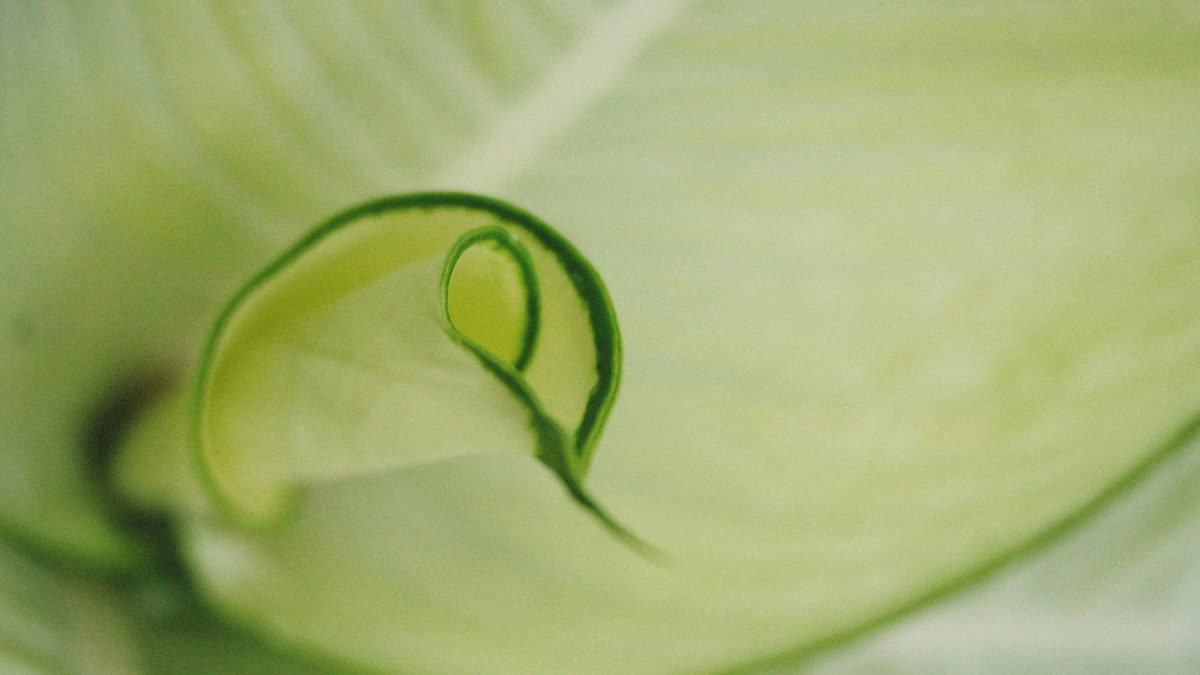
A plant never curls its leaves for no reason. That twist, that fold, that tight little roll signals a clear message: something feels off, and it needs attention now. Healthy plants stretch outward, soak up light, and show off smooth, open leaves that signal strength. When those leaves start curling, shrinking, or warping, they shift from thriving to surviving, and that shift deserves immediate attention.
Leaf curl does not play by one simple rule, either. It thrives in confusion, hides behind multiple causes, and often tricks even experienced plant lovers into guessing wrong. One plant might curl because of thirst, while another curls from too much water, and a third reacts to pests that quietly take over. Getting this right takes curiosity, observation, and a willingness to look beyond the obvious. The good news? Every cause has a solution, and every curled leaf offers clues that point toward recovery.
When Water Turns Against You
Water seems simple, but it causes more leaf curling problems than almost anything else. Too little water dries out plant cells, which makes leaves lose their firmness and curl inward to conserve moisture. Too much water suffocates roots, cutting off oxygen and triggering stress that shows up in twisted or drooping leaves. Both extremes create nearly identical symptoms, which makes diagnosis tricky without a closer look.
Dry soil feels light, crumbly, and often pulls away from the edges of the pot. Leaves may feel thin, brittle, and sometimes crispy along the edges. Overwatered soil feels heavy, dense, and often smells slightly sour or musty. Leaves in this case usually look soft, swollen, or even slightly yellow before curling begins. That difference matters, because each situation demands a completely different fix.
Fixing underwatering starts with consistency, not panic. A deep, thorough watering allows moisture to reach the full root system, and a regular schedule prevents stress from returning. Fixing overwatering requires restraint and patience. Letting the soil dry out, improving drainage, and sometimes repotting into fresh soil restores oxygen flow and helps roots recover. Plants bounce back quickly once watering habits line up with their needs, and leaves often relax within days.
Pests: The Tiny Invaders That Wreak Havoc
Leaf curling often points straight to pests, even when they remain hard to spot. Aphids, spider mites, and thrips feed on plant sap, draining nutrients and distorting growth. That feeding causes leaves to curl, twist, and sometimes develop spots or a sticky residue. These pests rarely announce themselves loudly, so spotting them requires a sharp eye and a little patience.
A close inspection of the underside of leaves usually reveals the truth. Tiny moving dots, fine webbing, or clusters of small insects signal an active infestation. Some pests leave behind a shiny coating called honeydew, which attracts mold and adds another layer of trouble. Ignoring these signs allows the problem to spread quickly, turning a small issue into a full-blown infestation.
Getting rid of pests demands consistency and a bit of persistence. A gentle rinse with water removes many insects immediately, especially when done thoroughly. Insecticidal soap or neem oil treatments follow up by targeting what remains and preventing new infestations. Regular checks keep things under control and stop pests before they gain momentum again. Clean leaves and a watchful routine go a long way toward keeping plants safe and curl-free.
Heat and Light: Too Much of a Good Thing
Plants love light, but they do not love all light equally. Intense, direct sunlight can overwhelm leaves, causing them to curl as a defense against excess exposure. Heat often amplifies the problem, especially when it comes from windows, heaters, or hot outdoor conditions. Leaves curl to reduce surface area and limit water loss, which helps the plant survive but signals clear stress.
Signs of too much light often include faded color, dry edges, or even scorched patches alongside curling. The plant may look bleached or uneven, especially on the side facing the light source. High heat adds another layer of damage by accelerating moisture loss, which makes curling happen faster and more dramatically.
Adjusting placement solves most of these issues quickly. Moving plants a few feet away from harsh light or adding a sheer curtain softens exposure without depriving them of what they need. Keeping plants away from heat vents and hot surfaces also stabilizes their environment. Once conditions improve, new growth usually appears healthier, flatter, and more vibrant, which signals that the plant has moved back into comfort mode.
Nutrient Imbalance: Feeding Gone Wrong
Plants rely on a delicate balance of nutrients, and even small disruptions can trigger leaf curling. Too little nutrition weakens growth, while too much fertilizer burns roots and stresses the plant. Both situations disrupt normal development and cause leaves to curl, discolor, or grow unevenly.
A lack of key nutrients often shows up as pale leaves, slow growth, and curling that starts subtly and worsens over time. Overfertilization creates more dramatic symptoms, including brown tips, crusty soil, and rapid curling that appears soon after feeding. That overload overwhelms the plant, especially when fertilizer builds up in the soil.
Fixing nutrient issues requires a measured approach. A balanced fertilizer applied at the right frequency supports steady growth without overwhelming the plant. Flushing the soil with water helps remove excess salts when overfeeding occurs, giving roots a chance to reset. Paying attention to plant-specific needs keeps feeding on track and prevents future problems from taking hold.
Disease: When the Problem Runs Deeper
Some cases of leaf curling point to plant diseases, and these situations require quick action. Fungal infections, bacterial issues, and viral diseases can all distort leaves and disrupt normal growth patterns. These problems often spread through contaminated soil, water splashes, or even contact between plants.
Symptoms of disease usually go beyond simple curling. Spots, streaks, unusual patterns, or rapid decline often accompany the curling, which signals a more serious issue. Leaves may look mottled, discolored, or misshapen in ways that do not match typical watering or light problems.
Managing disease starts with isolation and cleanliness. Removing affected leaves prevents the spread, and disinfecting tools stops contamination from moving between plants. In some cases, fungicides or other treatments help control the issue, but prevention always works better than cure. Good airflow, proper spacing, and careful watering habits reduce the risk and keep plants in a stronger, more resilient state.
Observation Beats Guesswork Every Time
Leaf curling never shows up without a reason, and guessing rarely leads to the right fix. Careful observation turns confusion into clarity, because each plant tells a slightly different story through its leaves, soil, and overall appearance. Checking moisture levels, inspecting for pests, and evaluating light conditions builds a clear picture of what went wrong and how to fix it.
A consistent care routine prevents most problems before they even start. Regular watering, occasional feeding, and routine inspections keep plants stable and strong. Small adjustments made early stop issues from escalating into full-blown stress signals like curling leaves. Plants respond quickly to improved care, and that response shows up in fresh, healthy growth.
What strategies have worked best for keeping plants healthy and stress-free? Drop thoughts, tips, or even plant rescue stories in the comments and keep the conversation growing.
You May Also Like…
The Unexpected Insect That Devours New Leaves Before You Notice Damage
What Curling Leaves Often Signal in Spring
How Leaf Litter Can Improve Soil Health and Reduce Fertilizer Costs
Why Cooler Nights Boost Leafy Green Flavor
The Safe Way to Use Coffee Grounds Without Damaging Plants

Brandon Marcus is a staff writer for FrugalGardening.com at District Media, Inc., where he delivers practical gardening advice with a relatable, no-nonsense style. An avid amateur gardener, he holds a BA degree and with over ten years of professional writing experience, he is also an award-winning published author whose first book, Questions For Deep Thinkers, was released by Adams Media. His work has appeared in major publications including Fandom.com, CHUD.com, TheColdWire.com, and Fansided.com.
Leave a Reply