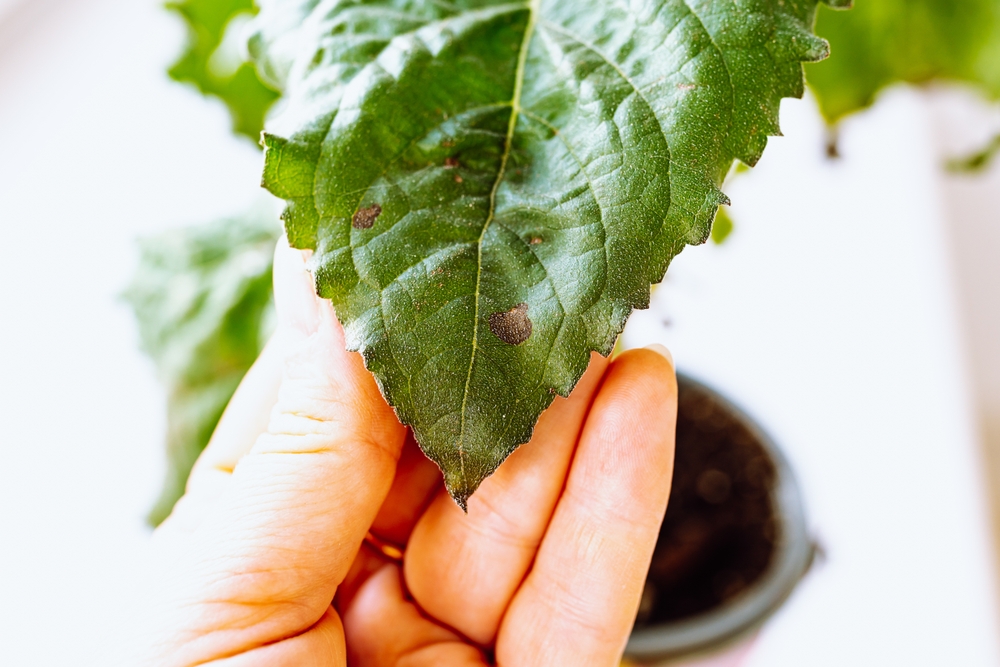
A garden can look like a masterpiece one day and a crime scene the next. Spots appear out of nowhere, leaves lose their charm, and suddenly that thriving plant feels like it’s waving a tiny white flag. Leaf spot problems don’t wait around for permission, and they don’t care how much time or effort went into growing that lush greenery. They show up boldly, leave their mark, and dare anyone to figure out what went wrong.
Those spots tell a story, and that story comes with clues, patterns, and solutions that actually work. The right approach can turn a struggling plant into a comeback success story faster than expected.
Polka Dots Gone Wrong: Fungal Leaf Spot Takes the Stage
Fungal leaf spots love to make an entrance, and they never arrive quietly. They usually appear as brown, black, or even yellow-ringed spots that spread across leaves like confetti at a party nobody invited them to. Warm, humid conditions fuel their growth, and overcrowded plants give them the perfect environment to thrive. Water sitting on leaves acts like a welcome mat, especially when it sticks around overnight. Once these fungi settle in, they release spores that jump from leaf to leaf with surprising speed. Ignoring the first few spots almost always leads to a much bigger problem within days. Plants like tomatoes, roses, and houseplants often deal with this issue more than others.
Treating fungal leaf spot starts with a simple but powerful move: remove the affected leaves immediately. That step stops the spread before it gets out of control. Gardeners often turn to fungicides, but timing matters more than anything, so early application works best. Neem oil or copper-based sprays can help control the spread without overwhelming the plant. Good airflow changes the game completely, so spacing plants properly and trimming crowded growth makes a noticeable difference. Watering at the base instead of overhead cuts off one of the fungus’s favorite pathways. Staying consistent with these habits keeps fungal spots from staging a comeback.
Tiny Invaders, Big Damage: Bacterial Leaf Spot Breakdown
Bacterial leaf spots don’t mess around, and they often show up looking water-soaked before turning dark and crispy. Unlike fungal spots, these often come with a slightly greasy appearance that sets them apart. They spread quickly through splashing water, dirty tools, or even hands that move from plant to plant. Warm weather speeds up their growth, which makes them especially aggressive during certain seasons. Vegetables like peppers and tomatoes often deal with bacterial leaf spot, and it can wipe out entire sections of a plant if left untreated. Once it gains momentum, it doesn’t slow down without intervention. These bacteria exploit even the smallest wounds on leaves, turning minor damage into a full-blown issue.
Handling bacterial leaf spot requires a clean and disciplined approach. Removing infected leaves helps reduce the bacterial load right away. Sanitizing tools between cuts prevents the disease from hitching a ride to healthy plants. Copper sprays often help slow the spread, though they won’t completely cure infected leaves. Crop rotation plays a huge role outdoors, since bacteria can linger in soil and plant debris. Keeping leaves dry by watering at the base again proves essential here. Strong, healthy plants resist infection better, so balanced fertilizing and proper sunlight give them an edge.
Yellow Halos and Drama: Septoria Leaf Spot Strikes
Septoria leaf spot doesn’t do subtle, and it loves to show off with small gray or tan spots surrounded by bright yellow halos. It tends to attack lower leaves first, creeping upward as it gains confidence. This fungal disease targets tomatoes aggressively, though it doesn’t limit itself to just one type of plant. Rainy weather gives it the perfect conditions to spread quickly. Those tiny spots may seem harmless at first, but they multiply rapidly and lead to leaf drop if ignored. Losing too many leaves weakens the plant and reduces its ability to produce fruit or flowers. Once it settles in, it becomes a persistent nuisance that demands attention.
Managing Septoria means staying proactive and consistent. Removing lower leaves as soon as spots appear slows its upward march. Mulching around the base prevents soil from splashing onto leaves during watering or rain. Fungicides can help when applied regularly, especially during wet periods. Staking plants keeps leaves off the ground and improves airflow. Rotating crops every season reduces the chances of reinfection. Keeping the garden clean and free of debris eliminates hiding spots where the fungus can survive.
Powdery Trouble: When Spots Turn Dusty
Powdery mildew doesn’t just spot leaves; it coats them with a soft, dusty layer that looks almost harmless at first glance. That powder signals trouble, and it spreads fast in dry conditions with high humidity. Unlike many other leaf spot issues, this one doesn’t need wet leaves to thrive. It often appears on cucumbers, squash, and ornamental plants. The white or gray coating blocks sunlight, which weakens the plant over time. Leaves may curl, yellow, and eventually drop if the problem escalates. Ignoring it allows the fungus to cover entire plants in a surprisingly short time.
Treating powdery mildew requires quick and steady action. Removing heavily affected leaves helps reduce the spread right away. Sprays made with baking soda, neem oil, or sulfur-based fungicides can control the fungus effectively. Increasing airflow around plants cuts down the conditions it loves most. Choosing resistant plant varieties gives a strong advantage before the problem even starts. Watering early in the day allows plants to dry properly, even though this fungus doesn’t rely on moisture the same way others do. Staying alert and acting early keeps powdery mildew from taking over.
Rust Never Sleeps: Orange Spots That Mean Business
Rust diseases bring bold color into the mix, but nobody wants orange or reddish spots taking over their plants. These spots often appear on the undersides of leaves, forming raised pustules that release spores when touched. Wind carries those spores easily, which makes rust highly contagious. It affects a wide range of plants, including beans, roses, and grasses. Leaves may yellow and drop prematurely as the disease spreads. Severe infections can stunt plant growth and reduce yields dramatically. Once rust settles in, it doesn’t fade quietly.
Controlling rust starts with removing infected leaves and disposing of them properly. Composting them often spreads the problem further, so tossing them out works better. Fungicides can help protect healthy leaves, especially during active outbreaks. Spacing plants properly reduces humidity and improves airflow. Watering at the base again limits the spread, since splashing water can move spores around. Regular monitoring helps catch early signs before they escalate. Strong garden hygiene plays a major role in keeping rust under control.
Leaf Spot Chaos Indoors: Houseplants Aren’t Immune
Indoor plants may feel safe from the outside world, but leaf spot problems still find their way inside. Fungal and bacterial spots can appear on popular houseplants like pothos, peace lilies, and snake plants. Overwatering often triggers these issues, especially when water sits on leaves or in poorly drained soil. Low airflow indoors creates the perfect environment for diseases to develop. Spots may appear brown, black, or yellow, depending on the cause. Left untreated, they can spread from one plant to another in close quarters. Even a small issue can turn into a collection-wide problem surprisingly fast.
Treating indoor leaf spot problems requires a careful balance. Removing affected leaves helps contain the issue immediately. Adjusting watering habits often solves the root cause, since soggy conditions invite trouble. Ensuring pots have proper drainage prevents water from lingering too long. Moving plants slightly farther apart improves airflow and reduces spread. Occasional use of fungicides or antibacterial sprays can help, but prevention works best indoors. Keeping leaves clean and dry creates a healthier environment overall.
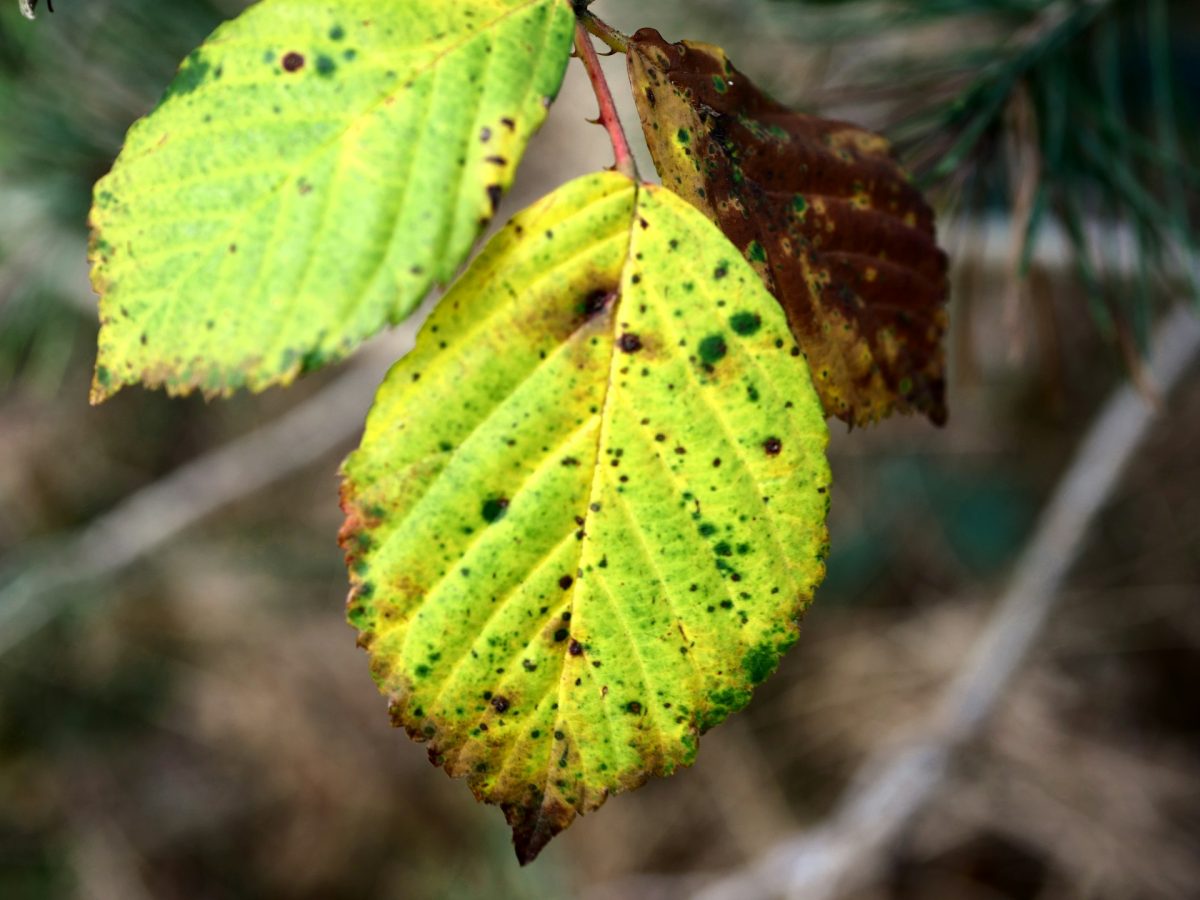
Healthy Plants Fight Back
Leaf spot problems may look dramatic, but they don’t spell the end of a thriving garden. Strong plants bounce back faster and resist future infections with the right care. Consistent watering habits, proper spacing, and good airflow create a solid foundation. Regularly inspecting leaves allows early detection, which makes treatment far easier. Clean tools and tidy garden beds prevent many problems before they even start. Choosing disease-resistant plant varieties adds another layer of protection. Every small step adds up to a healthier, more resilient garden.
Which of these leaf spot problems has shown up before, and what tricks worked best to kick it out for good? Drop those strategies and stories in the comments and keep the conversation growing.
You May Also Like…
The Hidden Causes of Curling Leaves and How to Stop Them
How to Deal With Sudden Leaf Yellowing Before Plants Decline
Leaf Mold Gold: Turning Yard Waste into Next Year’s Best Soil
Why Cooler Nights Boost Leafy Green Flavor
8 Easy Ways to Add Organic Matter Without Buying Compost

Brandon Marcus is a staff writer for FrugalGardening.com at District Media, Inc., where he delivers practical gardening advice with a relatable, no-nonsense style. An avid amateur gardener, he holds a BA degree and with over ten years of professional writing experience, he is also an award-winning published author whose first book, Questions For Deep Thinkers, was released by Adams Media. His work has appeared in major publications including Fandom.com, CHUD.com, TheColdWire.com, and Fansided.com.
Leave a Reply