March feels fresh and full of promise, but trouble already crawls through the garden long before flowers fully open. While many people focus on planting plans and new growth, several pests wake up early and begin feeding quietly. They rarely announce their arrival with dramatic destruction. Instead, they nibble, suck, bore, and chew just enough to weaken plants before anyone thinks to look closely. By the time visible damage appears, these pests often gain a strong foothold.
Early detection changes everything. Knowing which troublemakers emerge in March allows gardeners to act before infestations spiral. The goal does not involve panic or constant spraying. It requires awareness, smart timing, and a little curiosity about what moves beneath leaves and along soil surfaces.
1. Aphids: Tiny but Ruthless From Day One
Aphids rank among the earliest and most persistent spring pests. As temperatures rise above freezing and new growth appears, aphids begin feeding on tender shoots and leaf undersides. They reproduce rapidly, often without mating, which allows populations to expand at astonishing speed.
March provides ideal conditions for aphids because plants push out soft, nitrogen-rich growth. These insects insert needle-like mouthparts into stems and leaves to extract sap. As they feed, they excrete sticky honeydew that attracts ants and encourages sooty mold growth. Curled leaves, distorted buds, and shiny residue often signal their presence. Inspect new growth every few days during early spring. Pay special attention to roses, fruit trees, and vegetable seedlings. A strong stream of water can knock many aphids off plants before numbers explode. Encouraging beneficial insects such as lady beetles and lacewings also keeps aphid populations in check without harsh chemicals.
2. Cutworms: Nighttime Saboteurs at Soil Level
Cutworms operate with stealth and precision. These caterpillar-like larvae hide in soil during the day and emerge at night to chew through young stems near ground level. A healthy seedling can stand upright one evening and lie severed by morning.
March often marks the beginning of their activity in many regions, especially when soil temperatures warm and newly planted seedlings offer easy targets. Cutworms prefer tender vegetables such as lettuce, peppers, tomatoes, and brassicas. They wrap around stems and chew through them, effectively cutting plants down. To detect cutworms, gently dig around damaged seedlings and search for curled larvae just beneath the surface. Creating simple collars from cardboard or aluminum foil around young transplants can prevent larvae from reaching stems. Clearing plant debris before planting also reduces hiding spots.
3. Slugs and Snails: Moisture-Loving Early Feeders
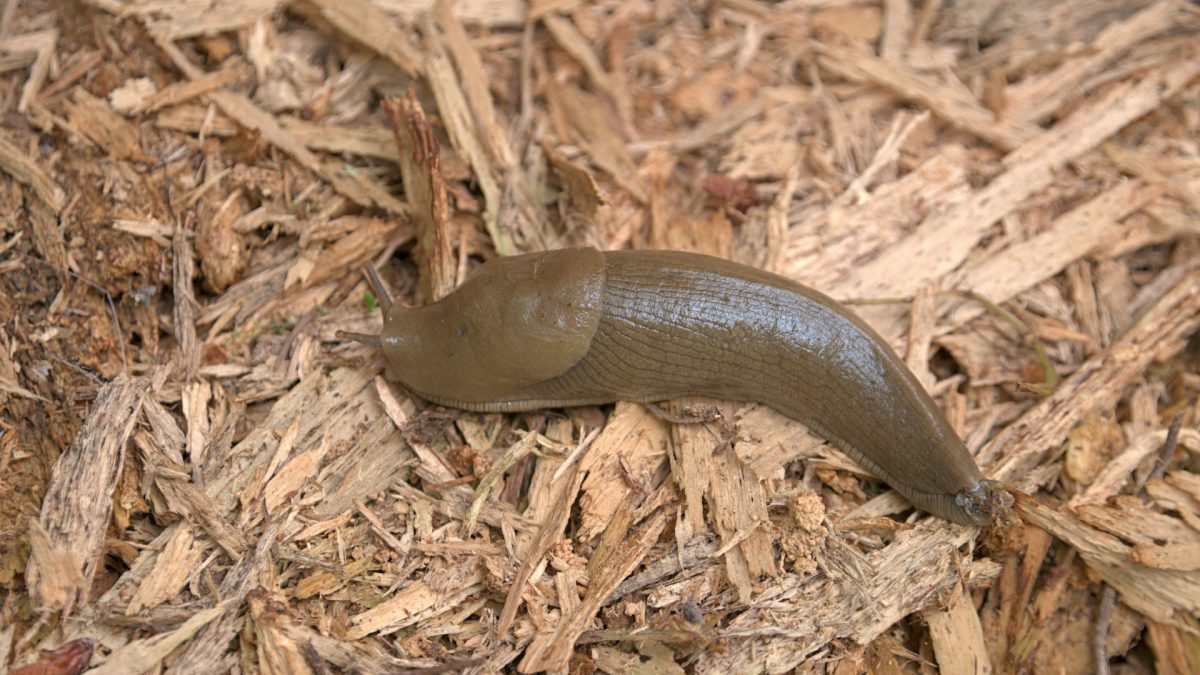
Cool, damp March weather creates perfect conditions for slugs and snails. These soft-bodied mollusks feed primarily at night or during overcast days, scraping irregular holes in leaves and leaving behind silvery slime trails as evidence.
Young seedlings and leafy greens suffer the most damage. Hostas, lettuce, and newly emerged perennials often attract slugs early in the season. Because they hide under boards, mulch, and dense ground cover during daylight hours, gardeners may not notice them until leaves look ragged. Hand-picking at dusk or early morning can reduce numbers significantly. Removing hiding spots such as excess mulch or debris limits shelter.
4. Spider Mites: Almost Invisible but Highly Destructive
Spider mites often escape notice because they remain extremely small and difficult to see with the naked eye. These arachnids thrive in dry conditions, but they can begin colonizing plants in early spring, especially in sheltered areas or greenhouses.
They feed by piercing plant cells and sucking out contents, which creates tiny pale speckles on leaves. As populations grow, fine webbing may appear along leaf undersides and between stems. Without intervention, heavy infestations can cause leaves to yellow and drop prematurely. Regularly inspect the undersides of leaves, especially on evergreens and early vegetables. A simple shake test over a white sheet of paper can reveal moving specks. Increasing humidity through proper watering and occasionally rinsing foliage can discourage spider mites, which prefer dry environments.
5. Flea Beetles: Jumping Invaders of Spring Greens
Flea beetles appear small and shiny, but they can cause outsized damage to young plants. These beetles jump when disturbed, much like fleas, which explains their name. In March, they often target early plantings of radishes, arugula, eggplant, and other tender greens.
They chew small, round holes in leaves, creating a “shot hole” appearance. While mature plants can tolerate some feeding, seedlings may suffer stunted growth if beetles attack heavily. Because flea beetles emerge early, they often begin feeding before gardeners expect insect pressure. Floating row covers placed immediately after planting can exclude flea beetles and protect seedlings during vulnerable stages. Maintaining strong plant growth through proper watering and soil health also helps plants outgrow minor damage.
6. Scale Insects: Quietly Draining Woody Plants
Scale insects do not resemble typical pests. They appear as small, immobile bumps along stems and branches of shrubs and trees. In March, certain species begin feeding as temperatures rise, often before leaves fully emerge.
These insects attach themselves to plant tissue and extract sap continuously. Heavy infestations can weaken plants, reduce vigor, and cause branch dieback. Because they blend into bark and stems, many people overlook them until damage becomes noticeable. Inspect woody plants closely during early spring pruning. Look for clusters of small, shell-like bumps. Dormant oil sprays applied at the correct time can help control overwintering scale populations. Timing matters, so applications should occur before bud break or according to local extension guidelines.
Staying Ahead Without Overreacting
March pest control does not require constant spraying or fear-driven action. It calls for consistent observation and targeted response. Early detection allows simple methods such as hand removal, water sprays, or physical barriers to solve problems before they escalate.
Healthy soil and balanced fertilization also reduce pest pressure. Overfertilized plants often produce lush growth that attracts sap-feeding insects. Strong, well-spaced plants with good airflow resist both pests and diseases more effectively. Keep a small notebook or digital log of pest sightings and weather conditions. Patterns often emerge over time, revealing when specific insects appear each spring. This awareness transforms pest management from reactive scrambling into proactive strategy.
The Quiet Battle Begins Early
March may showcase fresh growth and hopeful buds, but it also marks the start of a subtle contest between plants and pests. Aphids cluster on tender shoots. Cutworms patrol at night. Slugs glide across damp soil. Flea beetles chew tiny holes that widen quickly. Scale insects anchor themselves to woody stems and begin draining energy.
Catching these intruders early can mean the difference between minor annoyance and major setback. Vigilance during this transitional month sets the tone for the entire growing season.
Which of these early pests has already made an appearance in your garden this year? If you have any tips, we definitely want to hear them in our comments.
You May Also Like…
The Bug That’s Hitchhiking on Nursery Plants — And How to Spot It
Experts Warn: This Popular “Natural” Pest Spray Is Harming Pollinators
7 Plants That Attract Dangerous Pests without You Realizing It
5 Common Plants That Secretly Attract Pests
The Year-Round Garden Mistake That’s Costing Homeowners Hundreds

Brandon Marcus is a staff writer for FrugalGardening.com at District Media, Inc., where he delivers practical gardening advice with a relatable, no-nonsense style. An avid amateur gardener, he holds a BA degree and with over ten years of professional writing experience, he is also an award-winning published author whose first book, Questions For Deep Thinkers, was released by Adams Media. His work has appeared in major publications including Fandom.com, CHUD.com, TheColdWire.com, and Fansided.com.
Leave a Reply