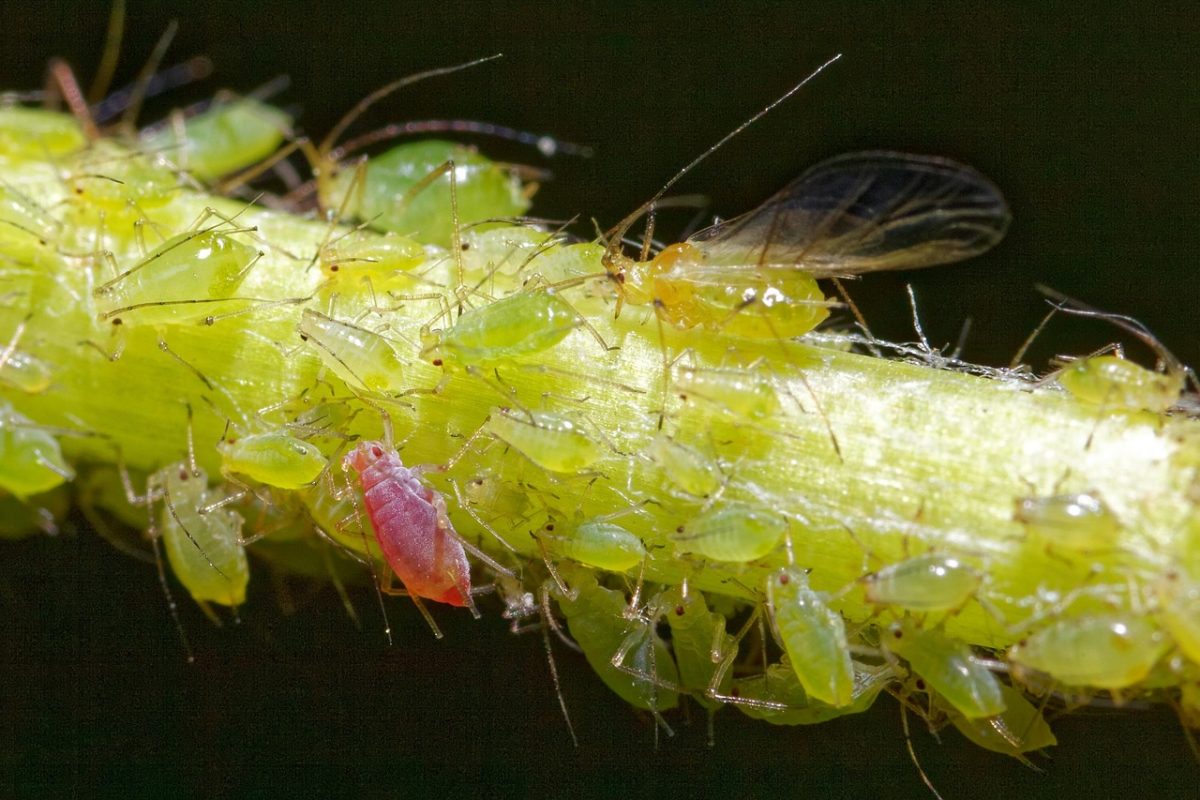
Something tiny, green, and relentless could swarm gardens in record numbers this spring. Aphids rarely command headlines, yet agricultural specialists and extension offices across the country already warn about conditions that favor explosive population growth. These soft-bodied insects reproduce at astonishing speed when temperatures stay mild and plants flush with tender new growth. A warm winter followed by an early spring creates the perfect runway for aphids to multiply long before natural predators catch up.
Gardeners who understand why experts predict a surge can take smart, timely action instead of scrambling once leaves curl and stems drip with sticky residue. This spring may test patience and vigilance, but it does not have to end in defeat.
A Perfect Storm of Weather and Biology
Aphids thrive when weather patterns align in their favor, and this year those patterns look promising for them and frustrating for anyone who grows plants. Many regions experienced milder winter temperatures with fewer prolonged freezes. Hard freezes typically kill off large numbers of overwintering aphids and their eggs. When winter stays gentle, more aphids survive into spring.
As temperatures climb into the 50s and 60s, aphids begin feeding and reproducing rapidly. Unlike many insects, aphids do not always need to mate to produce offspring. Females can give birth to live young without fertilization through a process called parthenogenesis. Each female can produce dozens of nymphs, and those nymphs mature quickly and begin reproducing within days under ideal conditions.
That reproductive strategy turns a small early-season population into a massive infestation in a short window of time. Add abundant spring growth on roses, fruit trees, vegetables, and ornamentals, and aphids encounter a buffet of soft, nutrient-rich tissue. Weather does not just influence their survival; it fuels their acceleration.
Why Early Plant Growth Invites Trouble
Spring growth excites every gardener. Buds swell, leaves unfurl, and vegetable seedlings stretch toward the sun. Aphids love that same surge of life because young tissue contains high levels of nitrogen and soft cell walls that they can pierce easily with their needle-like mouthparts.
When plants receive heavy doses of high-nitrogen fertilizer early in the season, they often produce lush, tender growth. That growth attracts aphids like a flashing neon sign. Excess nitrogen can also reduce certain natural plant defenses, making leaves even more appealing.
This does not mean fertilizer causes aphids, but it can amplify the problem when conditions already favor them. Balanced feeding, based on soil test results rather than guesswork, keeps plants strong without pushing excessive, weak growth. Healthy plants tolerate some aphid feeding without collapsing, while overfed plants can turn into pest magnets.
The Predator Gap That Makes It Worse
Nature does not ignore aphids. Lady beetles, lacewings, parasitic wasps, and hoverfly larvae all feast on these sap-sucking insects. In a balanced ecosystem, predator populations rise as aphid numbers increase, and that relationship eventually keeps outbreaks in check.
However, mild winters can disrupt that timing. Aphids often reproduce faster than predators early in the season. If warm spells arrive before predator populations build up, aphids can gain a strong foothold. By the time beneficial insects increase in number, aphids may already cover stems and leaf undersides.
Widespread use of broad-spectrum insecticides can also widen this predator gap. Chemical sprays that kill aphids frequently kill beneficial insects at the same time. Without natural enemies, surviving aphids rebound even faster. Integrated pest management strategies, which rely on monitoring and targeted action, help maintain a healthier balance.
What an Aphid Explosion Actually Looks Like
An aphid outbreak rarely starts with dramatic damage. It often begins with clusters of tiny insects on the underside of leaves or along new stems. They may appear green, black, yellow, or even pink depending on the species and host plant. As they feed, they extract sap and excrete a sticky substance called honeydew.
Honeydew coats leaves and nearby surfaces, creating a shiny, tacky layer that can attract ants. Ants sometimes protect aphids from predators in exchange for that sugary secretion, which further worsens infestations. Sooty mold, a dark fungus, can grow on honeydew-covered surfaces and block sunlight from reaching leaves.
Plants under heavy aphid pressure may develop curled, distorted leaves, stunted shoots, and reduced flowering or fruiting. Vegetable crops such as peppers, lettuce, and tomatoes can suffer yield losses if infestations become severe. Fruit trees can lose vigor, and ornamentals can look ragged just as they should shine.
Smart Moves Before Populations Explode
Preparation begins long before aphids take over. Regular inspection of new growth allows early detection. A quick glance under leaves every few days during warm spells can catch small colonies before they balloon.
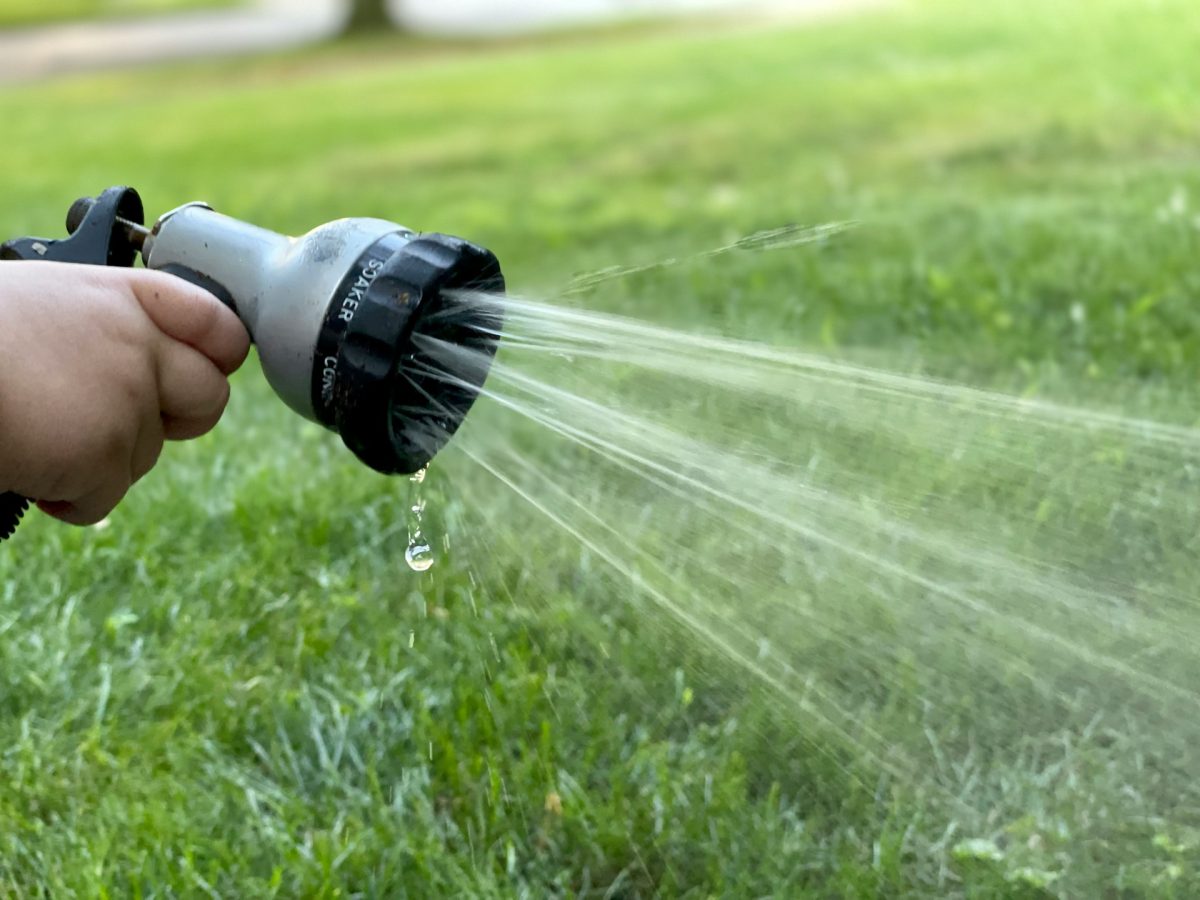
Water from a hose can dislodge many aphids from stems and leaves. This simple method works best early in an infestation and often needs repeating every few days. Dislodged aphids struggle to return to the plant, especially if natural predators patrol the area.
Encouraging beneficial insects offers one of the most effective long-term strategies. Planting nectar-rich flowers such as alyssum, dill, fennel, and yarrow can attract and sustain predators. Avoiding broad-spectrum insecticides protects those allies. When intervention becomes necessary, insecticidal soaps or horticultural oils can target aphids with less harm to beneficial species, as long as applications follow label directions carefully.
Rethinking the Panic Response
Monitoring matters more than overreaction. If beneficial insects appear and begin feeding, give them time to work. A plant with a few curled leaves can still thrive once predator numbers rise. Intervening only when infestations reach damaging levels keeps the balance intact.
Experts predict a heavy aphid season because the biological and environmental pieces line up. That prediction does not guarantee devastation in every yard. It simply highlights the need for awareness, timely observation, and thoughtful action.
The Season That Rewards Attention
This spring could bring an aphid surge fueled by mild winter survival, rapid reproduction, and early plant growth. Yet it could also become a season that sharpens gardening skills and deepens understanding of how ecosystems function. Every aphid cluster tells a story about temperature, plant nutrition, and predator-prey dynamics.
Instead of viewing aphids as an unstoppable plague, consider them a signal to adjust strategy. Feed plants wisely, inspect them often, support beneficial insects, and intervene with care when necessary. A calm, informed approach often wins against even the fastest-reproducing pests.
Will this spring bring a green tide of aphids, or will careful planning and close observation keep them in check? If you have aphid advice, we want to hear it in our comments.
You May Also Like…
This One Winter Gardening Habit Could Be Spreading Invasive Pests Across the South
Why Pests Overwinter in Untended Garden Beds
6 Garden Pests That Hibernate in Your Soil
The Bug That’s Hitchhiking on Nursery Plants — And How to Spot It
5 Bugs in Your Garden That Could Be Destroying Your Home’s Foundation

Brandon Marcus is a staff writer for FrugalGardening.com at District Media, Inc., where he delivers practical gardening advice with a relatable, no-nonsense style. An avid amateur gardener, he holds a BA degree and with over ten years of professional writing experience, he is also an award-winning published author whose first book, Questions For Deep Thinkers, was released by Adams Media. His work has appeared in major publications including Fandom.com, CHUD.com, TheColdWire.com, and Fansided.com.
Leave a Reply