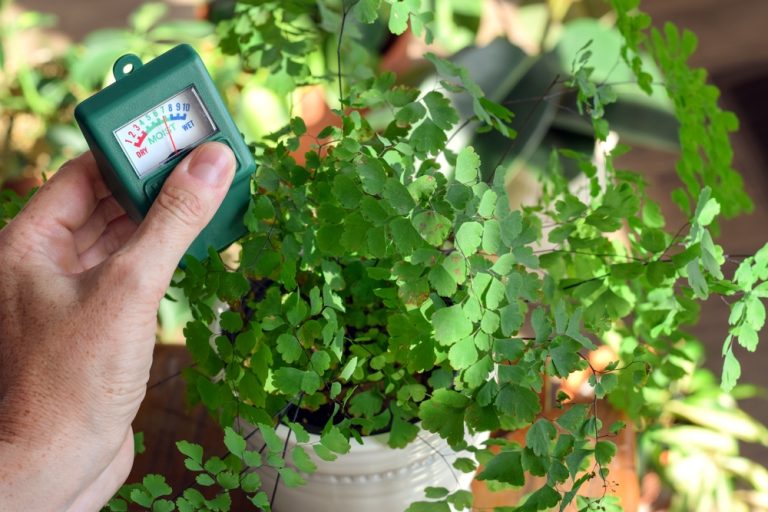
Garden aisles are designed to make everything look like a shortcut to a bigger harvest and a prettier yard. A clever label promises fewer weeds, richer soil, and “set it and forget it” results, which sounds perfect when you’re busy and your plants are struggling. The problem is that many garden purchases solve the wrong…
Is Growing Herbs at Home Still a Money Saver?
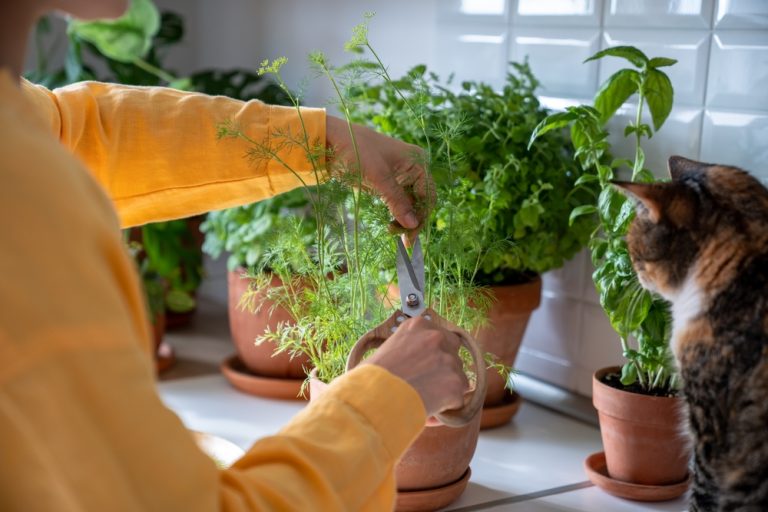
A clamshell of basil that turns slimy in three days can make anyone dream about a little kitchen herb garden. Herbs feel like the perfect “cheap win” because they’re expensive per ounce at the store, and a single plant can look like it’ll supply you forever. But between seed packets, potting mix, containers, grow lights,…
The Mulch That’s Causing Mold Problems in Southern Homes
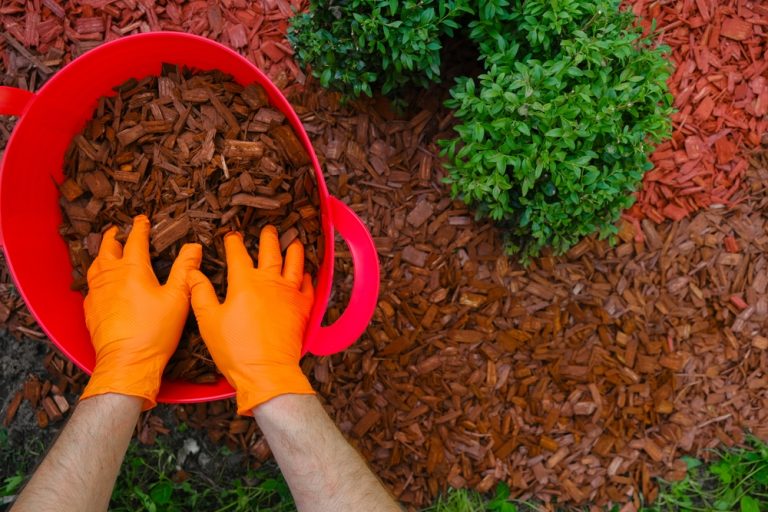
If your flower beds look great but your porch smells musty after a rain, your mulch might be part of the problem. In warm, humid regions, some mulch stays wet long enough to grow fuzzy patches and kick off that “basement” odor outdoors, and sometimes it doesn’t stop there. When you spread the wrong material…
Are Raised Beds Worth the Investment for Small Gardens?
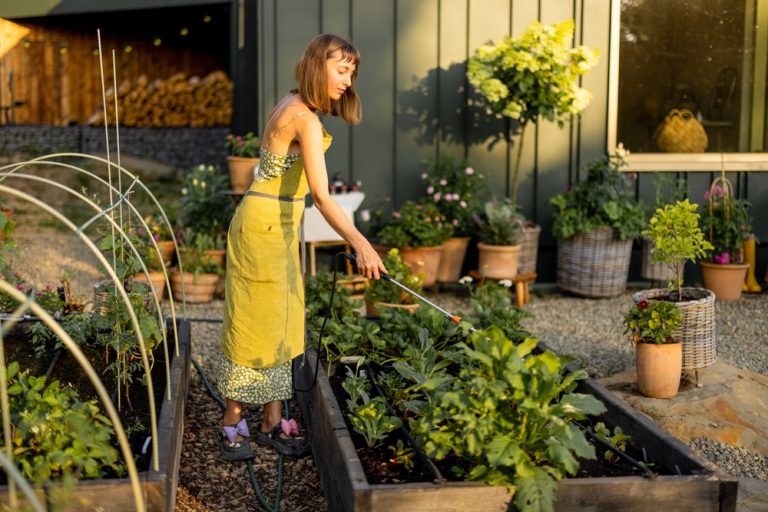
If you’ve only got a patio, a side yard, or a skinny strip of sun near the driveway, every gardening decision has to earn its keep. It’s why the question isn’t just “Will this grow food?” but “Will this grow enough food to justify the time, space, and money?” When people talk about raised beds,…
Gardeners Are Switching to Fewer Varieties to Cut Costs
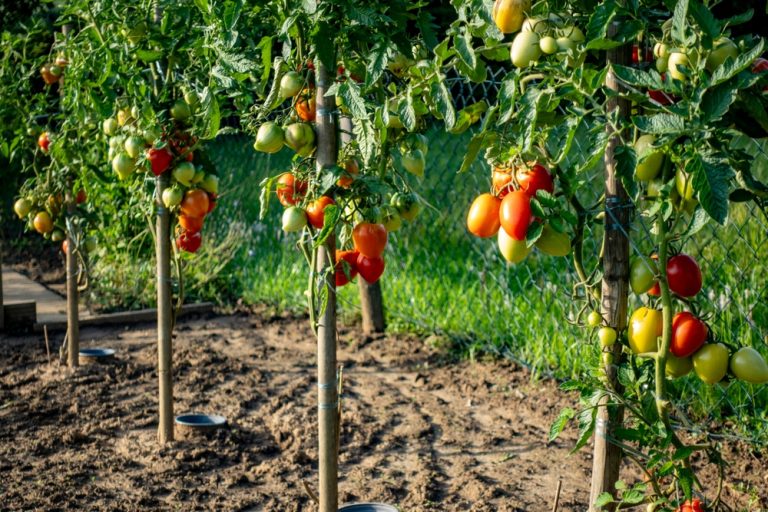
If your seed cart looks like a wish list and your garden beds look like a science experiment, you’re not alone. A lot of gardeners love trying every new tomato, pepper, and flower that shows up on social media, but those little packets add up fast. The surprise is that “more variety” doesn’t always mean…
The Landscaping Mistake That Could Void Your Home Insurance

Landscaping feels like the safe, wholesome kind of home project—mulch, shrubs, maybe a new tree for shade. But one common “looks nice and saves time” move can create a real risk problem: piling flammable mulch and dense plants right up against the house, especially around the foundation and under windows. In some areas, that setup…
Why January Is When Smart Gardeners Plan for Pest Cycles

January feels quiet in the garden, but it’s the loudest month for prevention. Pests don’t disappear in winter—they pause, hide, and wait for the exact conditions that show up when spring plants start pushing new growth. If you’ve ever felt like aphids, slugs, or squash bugs “came out of nowhere,” they didn’t. They were already…
10 Flowers That Attract Pollinators Without Extra Spending
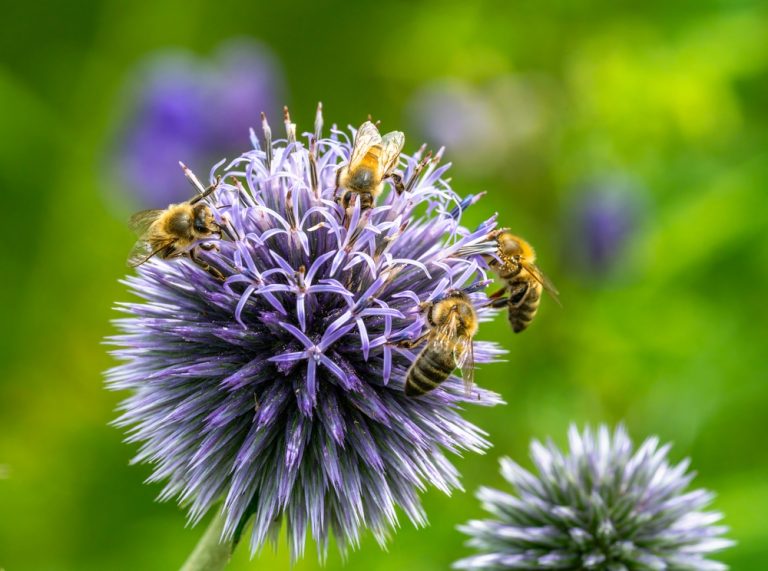
If you want more bees, butterflies, and helpful hoverflies in your yard, you don’t need a pricey “pollinator garden kit.” The cheapest wins usually come from plants that sprout easily, self-seed, or multiply so you can share them around the yard. Once a few dependable bloomers settle in, they’ll pull in visitors all season and…
Why Winter Pest Prevention Saves More Than Summer Treatments
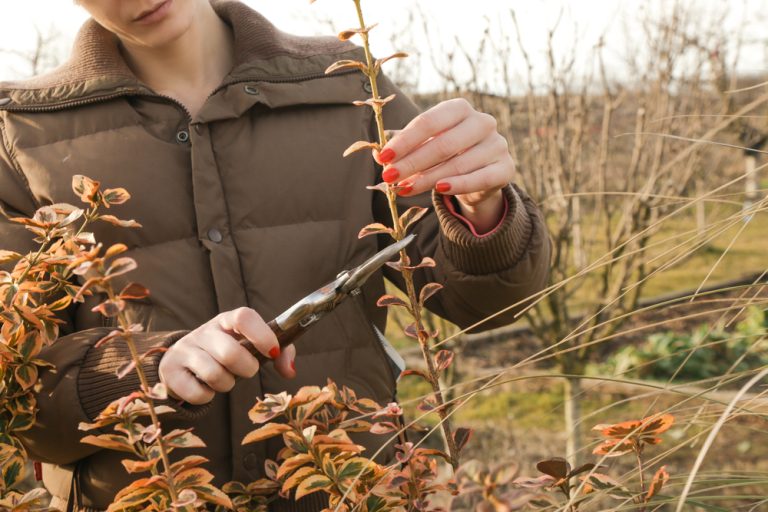
Most gardeners don’t think about pests until leaves are chewed, blossoms are ruined, or something starts oozing off a stem in July. By then, you’re paying in money, time, and stress while trying to fix a problem that’s already multiplying. The smarter move is to treat winter like the setup season, because a lot of…
11 Ways to Stop Mice From Nesting in Mulch
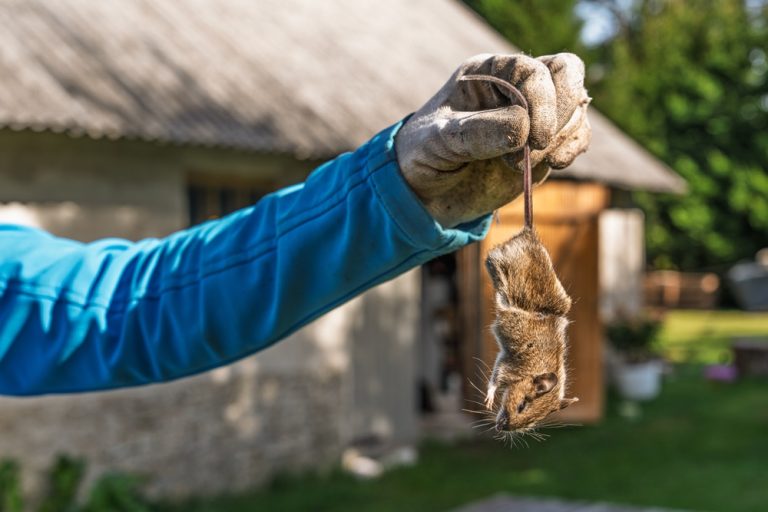
Mice love a cozy, hidden spot, and a thick mulch layer can feel like a five-star winter rental. The good news is you don’t have to ditch mulch to make your beds less inviting. With a few small changes, you can keep moisture and weeds under control while making mice move on. Most fixes are…