Most gardeners don’t think about pests until leaves are chewed, blossoms are ruined, or something starts oozing off a stem in July. By then, you’re paying in money, time, and stress while trying to fix a problem that’s already multiplying. The smarter move is to treat winter like the setup season, because a lot of pests are quietly waiting out the cold in eggs, cocoons, and hidden crevices. When you break that cycle early, your spring starts cleaner and your summer stays calmer. That’s why winter pest prevention often saves more than any midseason spray spree ever will.
1. You Stop Problems Before They Multiply
Many common garden pests don’t disappear in winter, they pause. Eggs and overwintering adults hang out in leaf litter, mulch, bark cracks, and soil near host plants. If you remove shelter now, you’re cutting next season’s population before it ever gets a chance to explode. That means fewer “suddenly everywhere” surprises when temperatures rise. It’s easier to prevent 20 pests than fight 2,000.
2. Winter Cleanup Hits the Pest Hideouts
Summer treatments often miss the places pests actually live. Winter gives you a clear view of stems, branch joints, and the ground surface because plants aren’t hiding everything with foliage. Raking out old leaves, removing spent annuals, and clearing weeds eliminates the exact cover pests use to survive. Bag or hot-compost diseased debris instead of letting it sit and “reseed” problems. That simple cleanup is one of the cheapest forms of winter pest prevention.
3. Dormant Timing Makes Treatments More Targeted
When plants are dormant, you can use certain controls with less risk of burning tender growth. Dormant oils, for example, can help smother overwintering stages like scale insects and mite eggs on woody plants when applied at the right time. You’re not trying to chase flying adults across the garden, you’re addressing what’s sitting still. That often means fewer applications overall, and less product wasted. Targeted work now can reduce the need for stronger interventions later.
4. Pruning Removes the “Problem Branches” Early
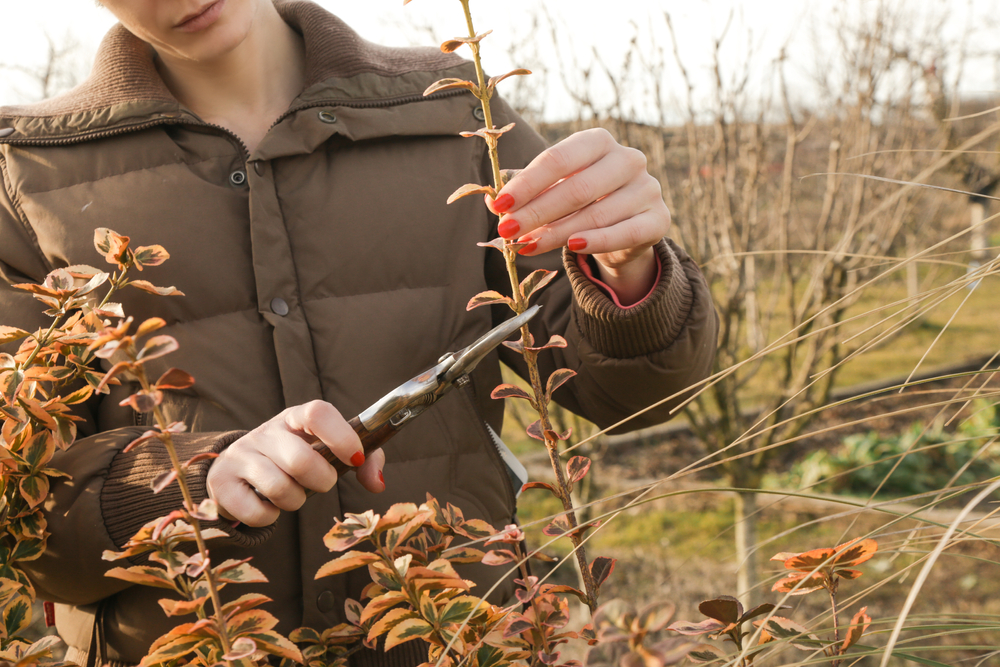
A lot of pest issues start in the same spots year after year. Winter pruning lets you remove dead wood, crossing branches, and weak growth that attracts pests or creates humid hiding places. You can also cut out branches with visible egg masses or old damage before they become an active infestation. Pruning improves airflow and light penetration, which makes plants less inviting to many insects and fungal issues. Done right, it’s prevention and plant health in one pass.
5. You Protect Beneficial Insects By Not Overcorrecting in Summer
Midseason panic often leads to overuse of broad treatments that can harm helpful predators. Lady beetles, lacewings, parasitic wasps, and other beneficials do a ton of free pest control when you let them. If you reduce pest pressure early, you’re less likely to reach for a “scorched earth” option in July. That keeps your garden ecosystem working for you instead of against you. In a weird way, winter pest prevention is also beneficial-insect prevention.
6. Barriers and Exclusion Are Easier to Install Now
Physical prevention is usually cheaper than repeated treatments. Winter is the perfect time to add trunk guards, hardware cloth, or row cover supports because beds are emptier and you can work without stepping on lush growth. You can also seal gaps in sheds, clean out pot stacks, and tidy storage areas where pests like to overwinter. Even simple moves like lifting pots off the ground and storing them dry can cut pest habitat. These little barriers don’t wash away, and they keep paying you back.
7. Soil and Mulch Management Reduces Spring Outbreaks
A lot of pests overwinter in the top layer of soil or in thick, undisturbed mulch. You don’t need to bare the garden, but you can thin heavy mulch, fluff it, or pull it back from plant crowns to reduce shelter. In vegetable beds, consider rotating crops and removing old roots that can harbor pests. If you add compost, use finished material and avoid burying food scraps where rodents and insects can hang out. Good soil habits are part of winter pest prevention, not just spring prep.
8. You Catch Early Signs When the Garden Is Bare
Winter makes it easier to inspect the structure of your plants. You can spot scale, cankers, egg clusters, and chewed bark without leaves blocking your view. You also notice patterns, like which shrubs always have trouble or which bed edge stays damp and problematic. That information helps you make smarter choices about placement, pruning, and varieties in spring. Spotting problems early is cheaper than diagnosing a mess later.
9. Smart Planning Saves Money on Supplies and Replacements
Summer pest battles aren’t just about sprays, they’re about lost plants and lost harvests. Replacing a damaged shrub, replanting a bed, or losing a month of tomatoes costs real money. Winter gives you time to plan crop rotation, choose resistant varieties, and set up supports that keep plants off the ground. You can also stock up on basic supplies during off-season sales instead of buying emergency fixes at peak prices. When you treat prevention as a winter project, you spend less when it counts.
10. Make Winter Pest Prevention Your Cheapest “Treatment”
If you want the most cost-effective approach, focus on the stuff that doesn’t require a shopping trip. Clean up debris, prune with purpose, manage mulch, and inspect plants like you’re doing a quick winter audit. Add barriers where needed and choose targeted dormant strategies instead of reactive summer blasts. The goal is fewer emergencies, fewer products, and fewer weekends lost to pest drama. When you build this habit, your garden starts feeling easier every single season.
What’s the one winter task you’re willing to do this year that could save you the biggest headache in summer?
What to Read Next…
Why Your Raised Beds Might Be Harboring Pests Right Now—Even in Freezing Temps
6 Garden Pests That Hibernate in Your Soil
Why Pests Overwinter in Untended Garden Beds
10 Natural Ways to Control Pests in Your Vegetable Garden
This One Winter Gardening Habit Could Be Spreading Invasive Pests Across the South

Catherine is a tech-savvy writer who has focused on the personal finance space for more than eight years. She has a Bachelor’s in Information Technology and enjoys showcasing how tech can simplify everyday personal finance tasks like budgeting, spending tracking, and planning for the future. Additionally, she’s explored the ins and outs of the world of side hustles and loves to share what she’s learned along the way. When she’s not working, you can find her relaxing at home in the Pacific Northwest with her two cats or enjoying a cup of coffee at her neighborhood cafe.
Leave a Reply