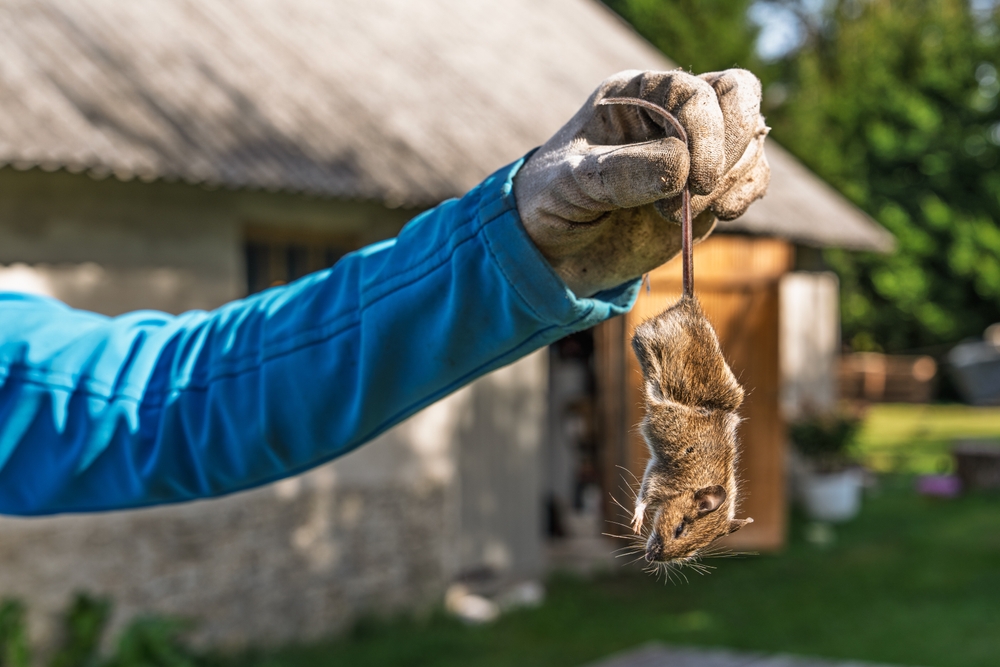
Mice love a cozy, hidden spot, and a thick mulch layer can feel like a five-star winter rental. The good news is you don’t have to ditch mulch to make your beds less inviting. With a few small changes, you can keep moisture and weeds under control while making mice move on. Most fixes are cheap, fast, and don’t require harsh chemicals. If you’ve spotted tunnels, chewed stems, or little runways, these steps will help stop nesting in mulch before it turns into a bigger problem.
1. Thin Mulch to a Practical Depth
Deep mulch is basically insulation and a blanket in one, so keep it modest. Aim for about 2 to 3 inches in most beds and avoid piling it against plant crowns or trunks. When mulch stays fluffy instead of matted, mice have a harder time carving out a protected pocket. If you’ve been topping off all season, rake it out and remove the extra instead of burying it. That simple reset makes nesting in mulch much less appealing.
2. Keep Mulch Pulled Back From Stems and Trunks
Mulch piled right up to a stem creates a sheltered tunnel entrance. Pull mulch back a few inches around perennials, shrubs, and young trees so the base stays visible. This also helps prevent rot and keeps pests from chewing in secret. If you see “mulch volcanoes,” flatten them and spread that material outward. The more exposed the plant base is, the less safe mice feel.
3. Switch to Coarser Mulch Where You Can
Fine, shredded mulch knits together and holds shape, which makes it easier to nest in. Coarser chips and chunkier bark leave more gaps and collapse more easily when disturbed. You don’t need to replace everything, but swapping in coarser mulch around problem areas can help. Even mixing coarse chips into what you already have changes the texture enough to disrupt burrows. Think “crunchy and unstable,” not “soft and sculptable.”
4. Rake and Fluff Mulch Regularly
A quick rake does more than tidy your beds. It breaks up hidden tunnels and exposes any warm pockets mice are building. Focus on edges near foundations, fences, sheds, and dense plantings where mice like to travel. Fluffing also helps mulch dry out evenly, which reduces that cozy, humid feel. Make it part of your routine after watering or rain.
5. Break the Habit of Nesting in Mulch
Mice move in when your beds stay predictable, quiet, and undisturbed. Change that rhythm by varying your mulch care, cleaning schedule, and bed edges throughout the season. Remove sheltered “starter homes” like fallen leaves, straw clumps, and forgotten pots sitting on mulch. If you’ve got bird feeders nearby, relocate them or clean up spilled seed fast. When the area feels exposed and inconsistent, mice usually choose a calmer spot.
6. Eliminate Hidden Food Sources Around Beds
Mulch isn’t always the main attraction; snacks are. Pick up fallen fruit, clean up birdseed, and harvest low-hanging produce before it drops. Store compostables in a sealed bin, especially if you toss in grains, bread, or other mouse favorites. If you grow sunflowers or corn, be extra careful about leftovers on the ground. When you remove the buffet, nesting in mulch becomes a lot less worthwhile.
7. Edge Beds Cleanly to Remove Travel Lanes
Mice love running along borders where they can stay hidden. Define bed edges with a crisp line and keep grass from flopping into the mulch. Trim back ground covers that create a canopy over the surface. If you use stone or timber edging, keep the area behind it clear of debris. A clean edge makes mice feel exposed when they move.
8. Keep Mulch Drier by Fixing Overwatering
Constantly damp mulch feels safer and warmer than mulch that dries between waterings. Water deeply but less often, and aim at the soil rather than spraying the entire bed surface. Repair leaky hoses and check drip lines so you’re not creating a permanent wet zone. If you have a soggy corner, amend drainage or redirect runoff from downspouts. Drier beds reduce nesting in mulch because they don’t hold that cozy humidity.
9. Block Access Under Low Decks, Steps, and Sheds
If mice can commute from a sheltered structure into your beds, they will. Use 1/4-inch hardware cloth to screen openings under sheds, decks, and stairs, and bury it a few inches to stop digging. Seal gaps around doors, siding edges, and utility lines where possible. Keep storage areas tidy so mice don’t have a backup nesting site nearby. Cutting off the safe “base camp” makes garden beds less attractive.
10. Use Traps Strategically, Not Randomly
If you’re already seeing activity, reducing shelter alone may not be enough at first. Place snap traps in protective boxes along runways and near structures, not out in the open where pets and wildlife can reach them. Bait with peanut butter or a small piece of dried fruit, and check traps daily. Move traps if you aren’t getting action after a few days, because placement matters more than quantity. Trapping works best when you combine it with habitat changes.
11. Relocate Extra Mulch and Debris Piles
A spare mulch pile is basically a mouse condo complex. Store bulk mulch in a bin or on a tarp you can pull tight and secure, rather than leaving a loose mound. Keep leaf piles, stacked boards, and tall weeds away from garden beds and the house. If you need to keep a pile, disturb it often and keep it smaller than you think you need. When you remove these nearby shelters, mice have fewer reasons to settle in.
The Mulch Fix That Sticks
The goal isn’t to wage war on your garden beds, it’s to make them feel “too exposed” for mice to relax. Focus on reducing depth, removing food, and breaking up cover so the space stops feeling like a safe hideout. Small habits like raking, edging, and pulling mulch back from stems add up fast. If you combine habitat tweaks with smart trapping, you’ll usually see results within a couple of weeks.
What’s the one spot in your yard where mice keep showing up, and what have you tried so far?
What to Read Next…
10 Crops That Attract Mice if Left Uncovered
Why Pests Overwinter in Untended Garden Beds
How to Keep Rodents from Chewing Your Tree Trunks This Winter
Why Your Raised Beds Might Be Harboring Pests Right Now—Even in Freezing Temps
11 Things Rodents Use to Sneak Into Your Garden Shed

Catherine is a tech-savvy writer who has focused on the personal finance space for more than eight years. She has a Bachelor’s in Information Technology and enjoys showcasing how tech can simplify everyday personal finance tasks like budgeting, spending tracking, and planning for the future. Additionally, she’s explored the ins and outs of the world of side hustles and loves to share what she’s learned along the way. When she’s not working, you can find her relaxing at home in the Pacific Northwest with her two cats or enjoying a cup of coffee at her neighborhood cafe.
Leave a Reply