If your seed cart looks like a wish list and your garden beds look like a science experiment, you’re not alone. A lot of gardeners love trying every new tomato, pepper, and flower that shows up on social media, but those little packets add up fast.
The surprise is that “more variety” doesn’t always mean more food, better flavor, or less work. In fact, many gardeners are intentionally planting fewer varieties because it helps them manage the garden better and cut costs at the same time. When you choose a smaller lineup on purpose, you waste less seed, buy fewer extras, and get more consistent harvests.
Why Fewer Varieties Often Means Less Waste
When you plant a long list of varieties, you usually buy more than you can realistically grow. Extra seeds fail more often, starts poorly, or gets lost in a drawer, and that’s money you never see again. You also end up buying duplicate supplies because different plants want different supports, spacing, or soil conditions.
A tighter list makes it easier to plan beds, track what worked, and avoid “panic purchases” at the garden center. You can also reuse what you already have because your setup stays consistent year to year. This is one of the simplest mindset shifts that helps cut costs without feeling like you’re giving something up.
The Hidden Cost: Tools, Supports, And “Just In Case” Supplies
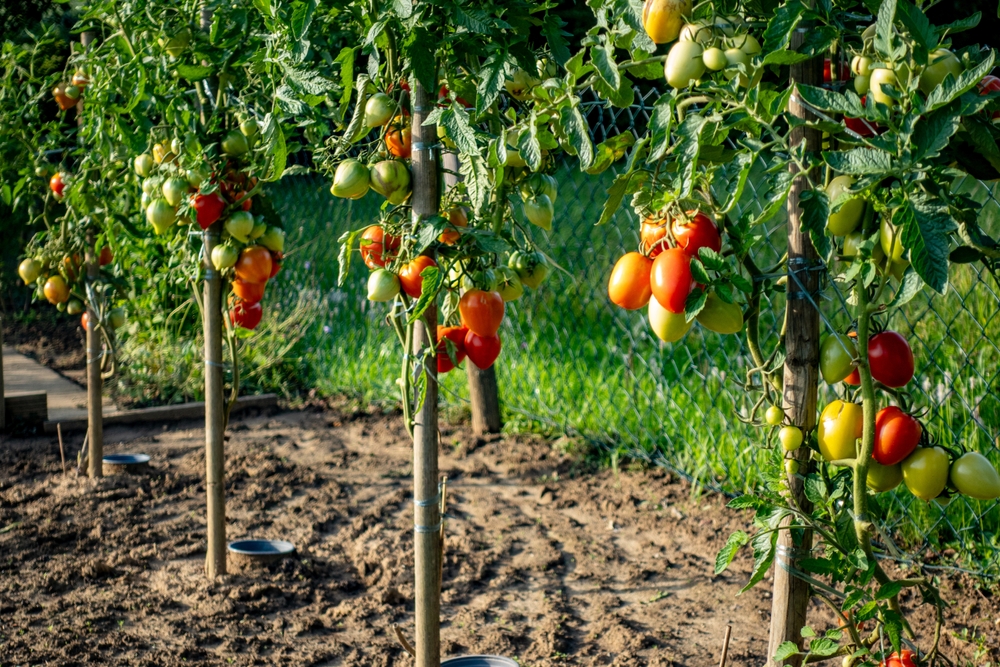
Variety seems harmless until it triggers a chain reaction of gear. Tall indeterminate tomatoes need cages or trellises, sprawling squash wants extra space, and delicate greens often need shade cloth or row cover. Add a few more “fun” crops and suddenly you’re buying another stake bundle, another pack of labels, another bag of mix, and another watering gadget. The garden doesn’t just cost seeds, it costs the infrastructure those seeds require. When you simplify the lineup, you simplify the tool needs, too. That’s how fewer varieties quietly cut costs across the whole season.
How To Choose A Small Lineup That Still Feels Exciting
“Fewer” doesn’t have to mean boring, it just needs a plan. Pick one reliable variety for each staple crop you actually cook and eat weekly. Then choose one “fun” variety per category, like one unusual tomato or one specialty pepper, instead of five. This keeps the garden interesting while still predictable enough to manage. You’ll also learn more from the season because you can compare results without juggling too many variables. A focused lineup makes it easier to cut costs and still feel like you’re experimenting.
Build Around Winners You Can Save Seeds From
Seed saving isn’t only for experts with spreadsheets and isolation distances. Many common garden crops are easy for beginners to save, especially if you start with one dependable open-pollinated variety. Tomatoes, beans, peas, lettuce, and some peppers can be beginner-friendly depending on your setup.
If you already save seed, fewer varieties makes it easier to keep things organized and labeled. Even if you don’t save seed yet, you can start with one crop and build confidence. Over time, a “winners list” becomes your best way to cut costs year after year.
Use Succession Planting Instead of More Varieties
A lot of people buy more varieties because they want a longer harvest window. You can get that same benefit by planting the same reliable variety at staggered times. Succession planting spreads out maturity dates without adding new seed packets to the budget.
It also helps you avoid the “everything ripens at once” problem that leads to waste. For greens, herbs, and bush beans, this strategy works especially well. It’s a smart way to cut costs while still increasing your total harvest.
Grow What Matches Your Garden’s Reality
Some varieties thrive only if your conditions are perfect, and that perfection can get expensive. If your summers are hot, bolting greens can push you into buying shade cloth and extra irrigation. If your springs run cool, slow peppers may tempt you into heat mats, extra lights, and early potting mixes.
When you choose fewer varieties that truly match your climate and sunlight, you stop fighting your yard. You’ll water less, amend less, and replant less often. Matching plants to reality is one of the fastest ways to cut costs without sacrificing results.
How To Plan Fewer Varieties to Cut Costs
Start by writing down the five to eight crops your household actually eats and enjoys. For each crop, pick one dependable “workhorse” variety with a track record in your region and one optional “treat” variety if you want it.
Set a firm cap on seed buying, like “no more than two packets per crop,” and stick to it. Use the money you save to improve one thing that helps everything, like compost, mulch, or drip lines. When you plan fewer varieties to cut costs, you end up with a garden that feels calmer, not smaller.
A Smaller Plant List, A Bigger Payoff
The best frugal gardens aren’t the ones with the longest seed list, they’re the ones with the best follow-through. Fewer varieties makes watering, weeding, pest checks, and harvesting easier to keep up with. It also helps you notice patterns, repeat what works, and stop spending on plants that never earned their space.
You’ll waste less seed, buy fewer support supplies, and get more predictable meals out of the garden. That’s what makes this shift so satisfying: it feels practical, not restrictive. If you want a garden that’s cheaper and easier, simplifying your lineup may be the quickest step to cut costs.
If you had to grow only three crops this year to save money, which ones would you choose and why?
What to Read Next…
7 Vegetables That Tolerate Cold Starts
6 Vegetables That Don’t Benefit From Expensive Soil Additives
7 Seed-Starting Mistakes That Cost More Than They Should
8 Low-Cost Ways to Improve Garden Soil Structure
6 Vegetable Varieties That Shoot Up Winter Harvests

Catherine is a tech-savvy writer who has focused on the personal finance space for more than eight years. She has a Bachelor’s in Information Technology and enjoys showcasing how tech can simplify everyday personal finance tasks like budgeting, spending tracking, and planning for the future. Additionally, she’s explored the ins and outs of the world of side hustles and loves to share what she’s learned along the way. When she’s not working, you can find her relaxing at home in the Pacific Northwest with her two cats or enjoying a cup of coffee at her neighborhood cafe.
Leave a Reply