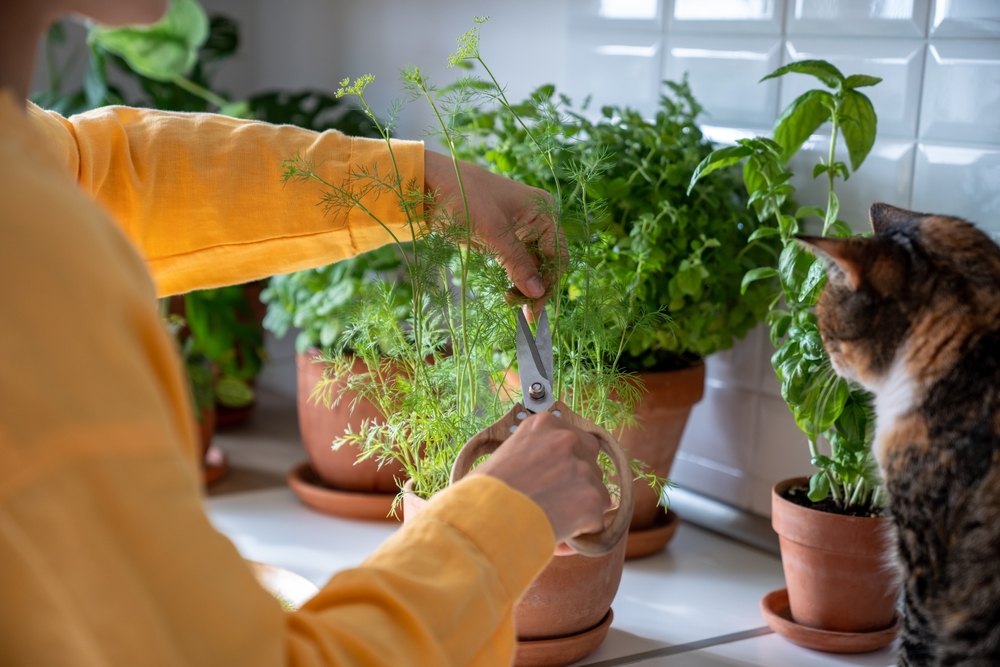
A clamshell of basil that turns slimy in three days can make anyone dream about a little kitchen herb garden. Herbs feel like the perfect “cheap win” because they’re expensive per ounce at the store, and a single plant can look like it’ll supply you forever. But between seed packets, potting mix, containers, grow lights, and the occasional plant that just gives up, it’s fair to ask whether growing herbs at home is still a money saver. The answer is yes for most households, but only if you pick the right herbs and grow them in a way that matches your routines. Let’s run through what actually moves the needle so you can get fresh flavor without turning it into a pricey hobby.
Why Herbs Feel Expensive In The First Place
Herbs cost a lot because stores sell them in tiny bundles with a short shelf life. You’re paying for delicate handling, packaging, and the fact that a huge percentage gets tossed before it sells. Even if you use herbs regularly, it’s easy to forget them in the fridge and buy another pack the next week. That cycle is exactly why a home setup can be a money saver, since you harvest only what you need. The trick is keeping plants productive long enough to beat the start-up costs.
The Herbs That Pay You Back Fastest
Not all herbs earn their keep at the same speed, so start with the ones you buy most often and the ones that regrow well after cutting. Basil, mint, chives, parsley, and cilantro usually offer the quickest “wow, I’m actually using this” payoff, especially if you cook even a few times a week. Woody herbs like rosemary, thyme, and oregano can be slower at first, but they last for years if you give them decent light and don’t overwater. If your goal is a money saver, skip fussy one-off varieties you only use twice a year and focus on your daily drivers. A small pot of the right herb can outperform a larger garden of plants you forget to harvest.
The Real Costs That Sneak Up On People
Most herb gardens aren’t expensive because of seeds, they’re expensive because of add-ons. Buying a new pot for every plant, premium soil for every refill, and gadgets you don’t need can erase your savings quickly. The fix is simple: reuse containers, buy potting mix in a bigger bag, and start small until you know what you’ll actually maintain. If you’re indoors, light becomes the make-or-break cost, because a dim windowsill can lead to weak, leggy growth that never gives you a good harvest. Once you control those inputs, growing herbs stays a money saver instead of an impulse project.
How To Grow Herbs Cheap Without Sacrificing Quality
You can keep costs low while still growing healthy plants by leaning on a few frugal defaults. Use containers you already have, as long as they have drainage holes or you can drill a few. Mix potting soil with a little compost if you have it, and don’t over-fertilize, because herbs don’t need to be pushed like tomatoes. Water deeply, then let the top inch dry, since soggy pots are the fastest route to plant loss and wasted money. With a little consistency, a small herb corner becomes a steady money saver that also reduces food waste.
Harvesting The Right Way To Keep Plants Producing
Harvesting is where most people accidentally ruin their return on investment. If you only snip a leaf or two, plants often get tall and scraggly instead of branching and filling out. Regular trimming encourages bushy growth, which means more harvest over time and a better shot at being a money saver. For basil, cut above a set of leaves so it splits into two new stems, and it’ll keep producing for months. For chives and parsley, harvest outer growth first, and you’ll keep the center producing instead of stalling.
The Shortcut That Makes It Even More Profitable
If you want the highest payoff, learn simple propagation from grocery store herb bundles or existing plants. Basil and mint often root easily in water, which means one purchase can turn into multiple plants with almost no added cost. Dividing chives or oregano also stretches your supply season after season. That’s when the math really tilts, because you stop “buying plants” and start multiplying them. Once you propagate a few favorites, the garden becomes a reliable money saver even if you lose a plant here and there.
When It’s Not A Money Saver And What To Do Instead
Growing herbs at home won’t save money if you rarely cook, forget to water for weeks, or only have very low light indoors. In those cases, you’ll buy replacements and end up spending more than you would on occasional store herbs. If that’s you, go smaller and simpler: pick one hardy herb, like chives or mint, and keep it right where you’ll use it. You can also freeze herbs in olive oil cubes or dry them, so you don’t need a constant fresh supply. The goal is to build a system that feels easy, because “easy” is what turns it into a money saver.
The Fresh-Flavor Plan That Actually Saves Money
Growing herbs at home still makes sense when you match your setup to your habits and keep the spending focused. Choose a few herbs you buy all the time, keep the containers simple, and prioritize light and drainage so plants last. Harvest often to keep growth coming, and learn one propagation method so you can replace plants for free. You don’t need a fancy countertop garden to win this; you need a small routine that fits your kitchen life. With that approach, fresh herbs stay convenient, and the numbers work in your favor.
Which herb do you buy most often at the store, and would you actually harvest it enough at home to make it worth growing?
What to Read Next…
7 Mistakes That Make Indoor Herbs Weak and Leggy
Gardeners Are Switching to Fewer Varieties to Cut Costs
7 Cold-Weather Herbs That Taste Better Than Store-Bought
Is Starting a Small Garden Cheaper Than You Think?
12 Herbs That Thrive in Cooler Temperatures

Catherine is a tech-savvy writer who has focused on the personal finance space for more than eight years. She has a Bachelor’s in Information Technology and enjoys showcasing how tech can simplify everyday personal finance tasks like budgeting, spending tracking, and planning for the future. Additionally, she’s explored the ins and outs of the world of side hustles and loves to share what she’s learned along the way. When she’s not working, you can find her relaxing at home in the Pacific Northwest with her two cats or enjoying a cup of coffee at her neighborhood cafe.
Leave a Reply