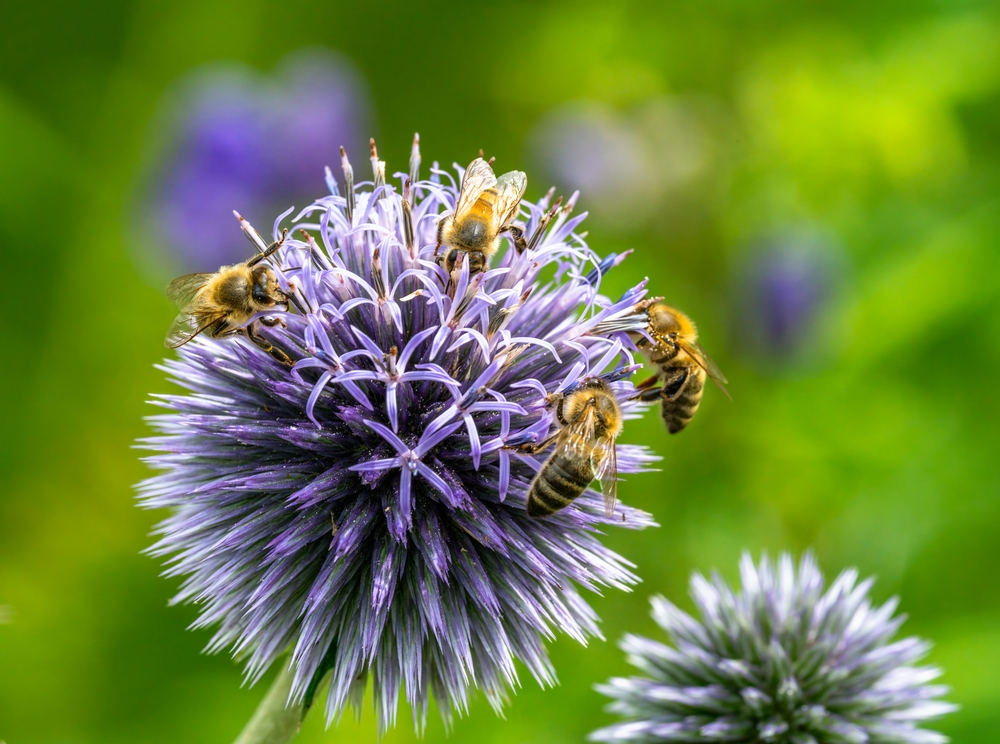
If you want more bees, butterflies, and helpful hoverflies in your yard, you don’t need a pricey “pollinator garden kit.” The cheapest wins usually come from plants that sprout easily, self-seed, or multiply so you can share them around the yard. Once a few dependable bloomers settle in, they’ll pull in visitors all season and make your veggie harvest look better, too.
The trick is choosing flowers you can start from seed, snag as divisions, or swap with neighbors, then letting those plants do the repeat work year after year. Here are ten budget-friendly options that help attract pollinators without turning your garden into a money pit.
1. Calendula
Calendula pops up fast from seed and blooms in cool weather. It’s a great choice for containers, borders, and empty spring gaps. Let a few flowers dry on the plant, then collect seeds for next year. Deadhead often to keep blossoms coming longer. In mild areas, it can reseed itself with almost no help.
2. Cosmos
Cosmos is one of the easiest flowers to start from seed. It handles average soil and still pumps out blooms for months. Plant it in clumps so pollinators can work an area efficiently. Cosmos also helps attract pollinators by providing steady midsummer color. Save seeds in fall and you’ll never need to buy them again.
3. Zinnias
Zinnias thrive in heat and reward you with nonstop blooms. They’re inexpensive from seed and simple for beginners to grow. Space plants well so leaves dry quickly and stay healthy. Cut flowers often and the plants branch into even more blooms. A small packet can fill a bed if you save seed heads.
4. Sunflowers
Sunflowers bring big impact without big cost. Direct-sow seeds after frost and keep them evenly moist while they sprout. Choose branching types if you want more flowers over time. Leave some heads to mature so birds and beneficial insects get a bonus meal. Harvest a few seeds for next season and replant for free.
5. Nasturtiums
Nasturtiums do well in poorer soil, which is perfect for frugal gardens. They trail nicely from pots or spill over bed edges. The flowers and leaves are edible, so they earn their space twice. Their bright blooms can attract pollinators while also distracting some pests. Let a few seeds ripen on the ground and re-sow them easily.
6. Borage
Borage is a tough, fast grower that thrives with minimal attention. It has starry blue blooms that show up early and keep going. Once established, it often self-seeds so you get new plants each year. It’s also a handy “fill-in” flower for bare spots between crops. Pull extra seedlings and share them with friends.
7. Purple Coneflower
Purple coneflower is a perennial that pays you back for years. Start it from seed, or get a division from a neighbor’s clump. Once rooted, it handles drought better than many garden favorites. It’s another solid way to attract pollinators with long-lasting summer blooms. Leave seed heads standing and finches will help clean up in fall.
8. Bee Balm
Bee balm spreads, which is exactly why it’s budget friendly. A single plant can be divided every few years to create more patches. It likes consistent moisture but tolerates average conditions once settled. Choose a sunny spot for best flowering and stronger stems. Thin crowded clumps to reduce mildew and keep plants vigorous.
9. Salvia
Many salvias are low-water, long-blooming workhorses. You can start annual types from seed and propagate some perennials from cuttings. Plant in full sun and avoid over-fertilizing for sturdier growth. Snip spent flower stalks to encourage fresh blooms. Once you have one strong plant, multiplying it is surprisingly easy.
10. Yarrow
Yarrow is a hardy perennial that thrives in lean soil. It spreads slowly and can be divided when clumps get larger. The flat flower clusters make landing pads for many beneficial insects. Cut stems back after the first flush to push a second round of blooms. In time, you’ll have plenty to share or move around the yard.
Make Your Garden Attract Pollinators on a Budget
Start small with a few seed-grown annuals, then add one or two perennials that can be divided. Group similar flowers together so pollinators can forage quickly and return often. Aim for overlapping bloom times so something is always flowering from spring into fall. Skip fancy soil upgrades and focus on sun, spacing, and consistent watering while plants establish. With these habits, you’ll build a garden that attract pollinators every season without repeat spending.
What’s the cheapest pollinator-friendly flower you’ve grown from seed, a cutting, or a plant swap?
What to Read Next…
How to Make Your Yard a Haven for Birds and Pollinators This Winter
9 Flowers That Thrive With Less Fertilizer Than You Think
Why Winter Pest Prevention Saves More Than Summer Treatments
9 Plants That Look Dead in Winter but Come Back Strong
8 Lawn Treatments That May Be Killing the Pollinators You Need

Catherine is a tech-savvy writer who has focused on the personal finance space for more than eight years. She has a Bachelor’s in Information Technology and enjoys showcasing how tech can simplify everyday personal finance tasks like budgeting, spending tracking, and planning for the future. Additionally, she’s explored the ins and outs of the world of side hustles and loves to share what she’s learned along the way. When she’s not working, you can find her relaxing at home in the Pacific Northwest with her two cats or enjoying a cup of coffee at her neighborhood cafe.
Leave a Reply