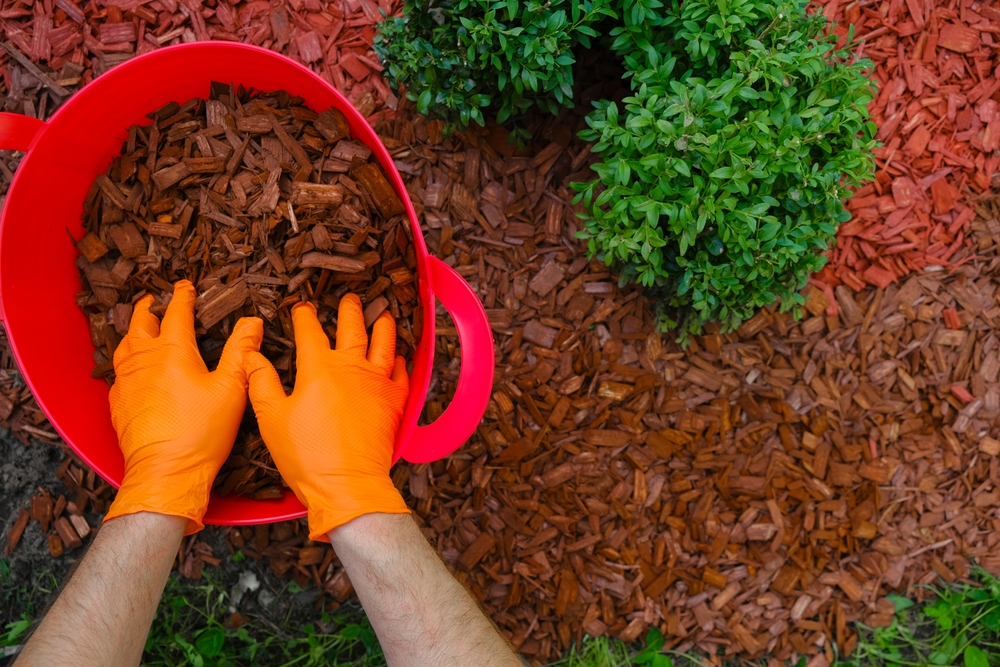
If your flower beds look great but your porch smells musty after a rain, your mulch might be part of the problem. In warm, humid regions, some mulch stays wet long enough to grow fuzzy patches and kick off that “basement” odor outdoors, and sometimes it doesn’t stop there.
When you spread the wrong material too close to the house, you can trap moisture where you least want it: near siding, vents, and foundations. That extra dampness can creep into crawl spaces, wall cavities, and garage corners, especially during long stretches of sticky weather. This guide will help you spot the mulch most likely to contribute to mold problems and show you how to keep your beds tidy without feeding fungus.
Why Bagged Hardwood Mulch Can Trigger Mold Problems
The biggest repeat offender in many Southern yards is bagged hardwood mulch that’s been sitting wet and compressed for too long. When bags bake in heat, then get hit with rain and stay sealed, they create a perfect low-airflow environment for fungal growth.
You’ll often notice it as white, gray, or yellowish fuzz when you open the bag, along with a sour or earthy smell that feels “too strong.” Spreading that material right away can release spores into the air, and it can also keep the top layer of soil damp for days after watering. If you’ve battled recurring mold problems around entryways, patios, or shaded foundation beds, start by checking any old bags stacked behind the shed or in the garage.
How The South’s Heat And Humidity Make Mulch Riskier
Southern summers don’t just feel humid, they keep surfaces damp long after the sun goes down. Mulch that stays wet overnight never gets a full “dry-out cycle,” which means fungus and decay can stay active day after day. Shade from shrubs, tight planting, and dense groundcover can block airflow, so even a light rain becomes a multi-day moisture event. Irrigation can add to it when sprinklers hit mulch every morning, especially if you water on a timer instead of checking the soil. In that kind of environment, small install choices can decide whether you deal with healthy decomposition or stubborn mold problems.
The Landscaping Mistake That Brings Moisture Indoors
Mulch usually causes trouble because of placement, not because it exists in your yard. When you pile it high against siding, brick weep holes, or the edge of a crawl-space vent, you create a damp “sponge strip” right next to the house.
Deep mulch layers also reduce evaporation, so trapped moisture lingers where wood framing and insulation can’t handle it. Keep a clear gap between mulch and the home’s exterior, and never cover vents or drainage features that need to breathe. If you fix that clearance and your musty smell improves, you’ve likely removed a major driver of mold problems.
Safer Mulch Choices For Humid Climates
You don’t have to give up mulching, but you should choose materials that resist matting and dry out faster. Chunkier pine bark and aged wood chips usually allow more airflow than finely shredded products, so they don’t form a sealed, wet blanket as easily.
Pine straw can work well in many Southern beds because it sheds water and dries quickly, as long as you keep it from piling up against structures. If you love the look of dark mulch, consider buying smaller amounts more often so you don’t store wet bags for weeks. These swaps won’t magically solve mold problems by themselves, but they make it much easier to manage moisture and airflow.
How To Use Mulch Without Feeding Fungus
Treat mulch like a breathable blanket, not a waterproof cover, and you’ll get better results with fewer issues. Aim for a thinner layer than you think you need, because extra inches often hold water instead of stopping weeds. Water plants at the base when possible, and adjust sprinklers so they don’t soak the mulch surface every single day.
If you open a bag and see visible fuzz or smell a sharp, sour odor, dump it out in the sun to dry and break it up before you decide whether to use it. That one habit can reduce the chance that mold problems start the moment the mulch hits your beds.
A Moisture-Smart Mulch Plan For Southern Yards
If you want a clean landscape and a healthier perimeter around your home, focus on airflow, clearance, and timing. Use fresher mulch, store it dry, and avoid spreading right before a humid stretch when everything will stay damp.
Keep mulch pulled back from siding and vents, and make sure downspouts and splash blocks move roof water away from bed edges. Pair mulch with pruning that opens up low shrubs so the soil surface can breathe after storms. When you set up your beds to dry out faster, you get the tidy look you want without turning your yard into a damp zone.
Have you ever opened a bag of mulch and found it fuzzy or sour-smelling—and what did you do to fix it?
What to Read Next…
11 Ways to Stop Mice From Nesting in Mulch
Leaf Mold Gold: Turning Yard Waste into Next Year’s Best Soil
Why Gardeners in the Carolinas Are Skipping Mulch This Winter—And What Experts Say to Do Instead
Are You Overwatering Plants Before They Even Go Outside?
7 Winter Mulches That Actually Warm Soil Instead of Chilling It

Catherine is a tech-savvy writer who has focused on the personal finance space for more than eight years. She has a Bachelor’s in Information Technology and enjoys showcasing how tech can simplify everyday personal finance tasks like budgeting, spending tracking, and planning for the future. Additionally, she’s explored the ins and outs of the world of side hustles and loves to share what she’s learned along the way. When she’s not working, you can find her relaxing at home in the Pacific Northwest with her two cats or enjoying a cup of coffee at her neighborhood cafe.
Leave a Reply