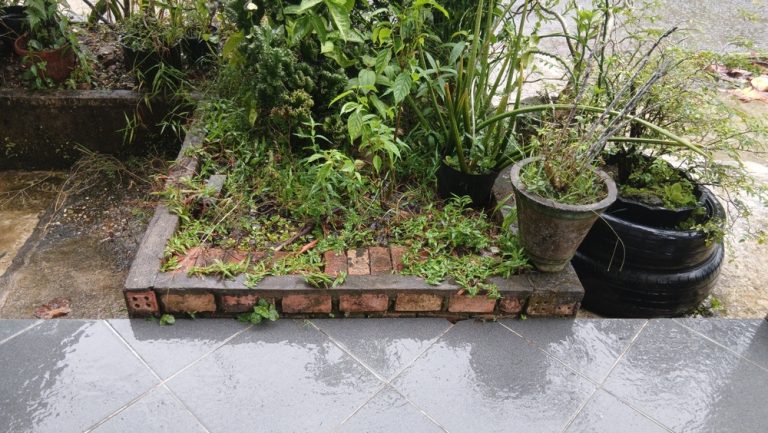
Rain should leave a garden refreshed, not looking like it belongs in a marsh. Yet some garden beds stay soggy for days after a storm while others drain beautifully within hours, and that difference often points to problems hiding beneath the surface. A waterlogged bed does more than create muddy shoes. It can suffocate roots,…
raised beds
5 Garden Repairs to Make Before the Next Summer Storm
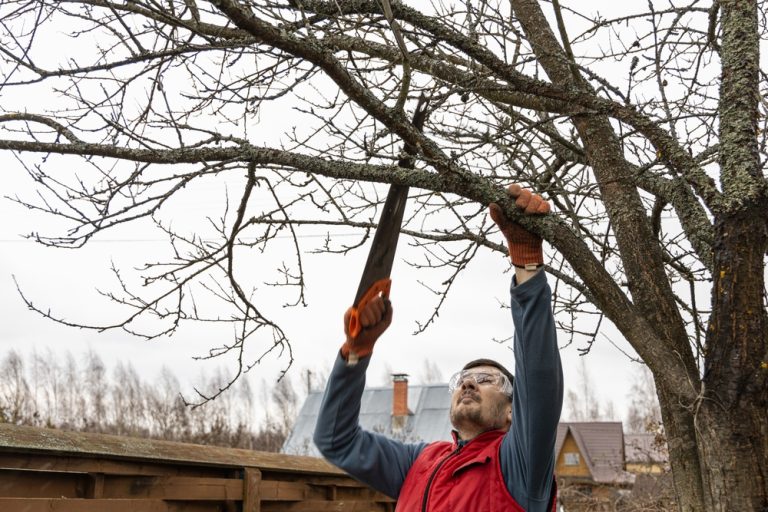
Summer storms have a talent for finding the one loose fence panel, wobbly trellis, cracked branch, or clogged drain that everyone forgot about. A garden can look perfectly fine under blue skies, then turn into a slapstick production the moment wind and heavy rain arrive. A few small repairs before the next storm can protect…
5 Ways to Revive Soil That Has Turned Hard and Crusty
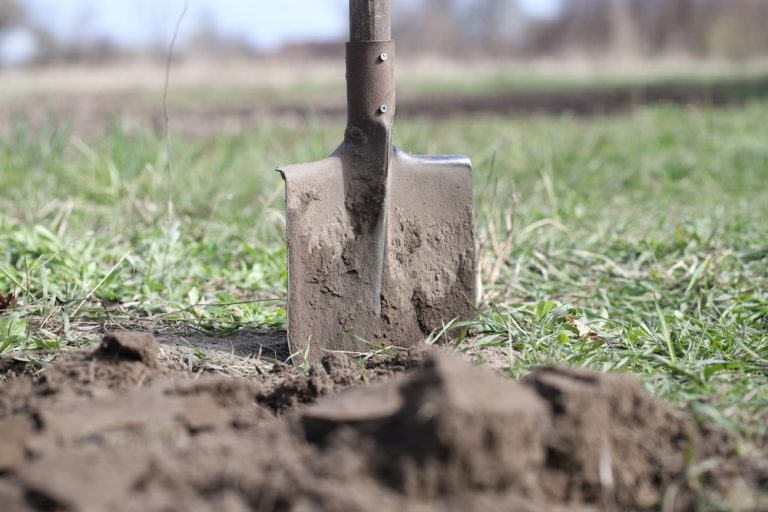
Nothing spoils gardening excitement faster than a patch of soil that feels more like concrete than earth. Hard, crusty soil blocks water, limits air movement, and makes it difficult for roots to spread, leaving vegetables, flowers, and shrubs struggling long before summer reaches its hottest days. Luckily, lifeless ground rarely stays that way forever. A…
Can a $25 Garden Bed Pay for Itself? A Realistic Cost Breakdown
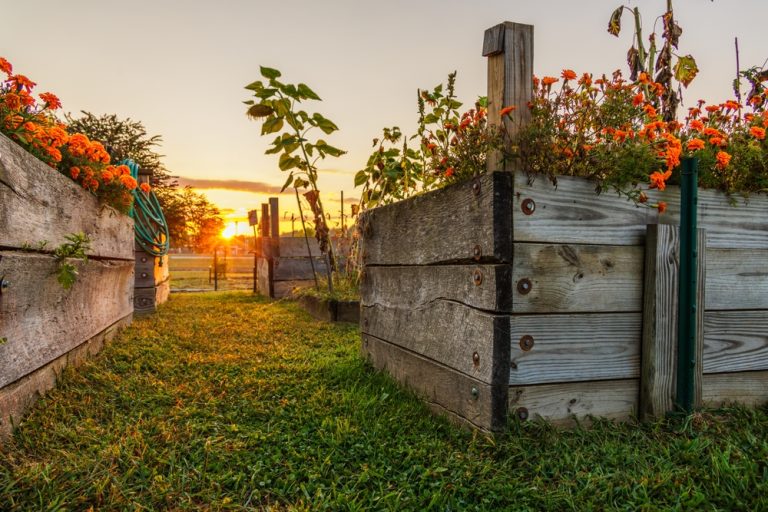
A $25 garden bed sounds almost too good to be true, but a small growing space really can help cut grocery costs when gardeners choose the right crops and avoid expensive mistakes. A handful of seeds, some soil, and a little patience can turn a simple corner of the yard into a tiny food-producing machine….
Why Self-Watering Gardens Are Suddenly So Popular
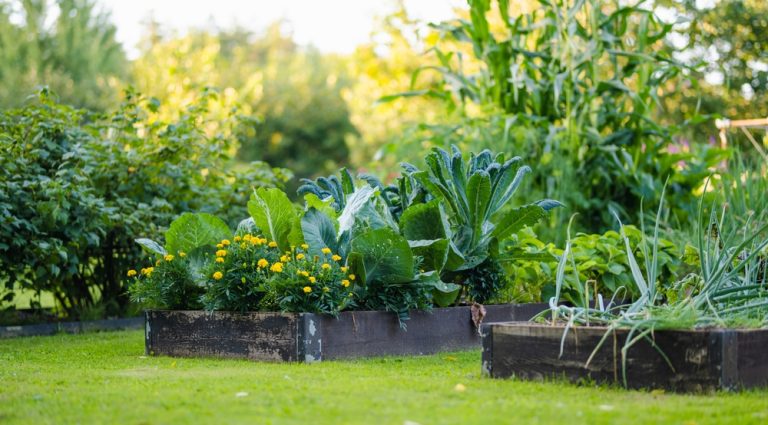
Self-watering gardens seem to pop up everywhere lately, and the buzz has plenty of gardeners asking the same question: are they really worth it? As it turns out, these clever systems solve one of gardening’s oldest headaches by delivering moisture steadily instead of relying on someone to remember the watering can every evening. That simple…
8 Vegetables That Grow Easily Even in Beginner Gardens
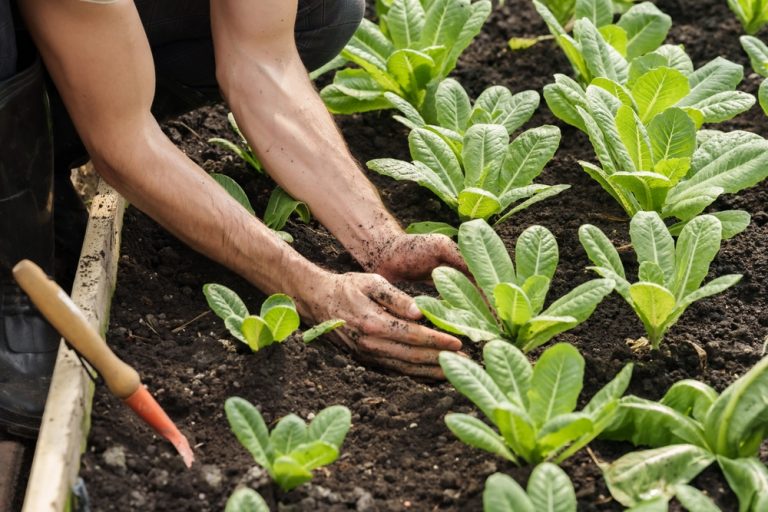
Starting a vegetable garden can feel like standing in front of a giant seed rack with no clue where to begin. The good news is that some vegetables practically cheer new gardeners along, rewarding even a few simple efforts with fresh harvests. Choosing the right crops from the start makes the whole experience more enjoyable…
9 Vegetables That Grow Better Than Expected in Small Spaces
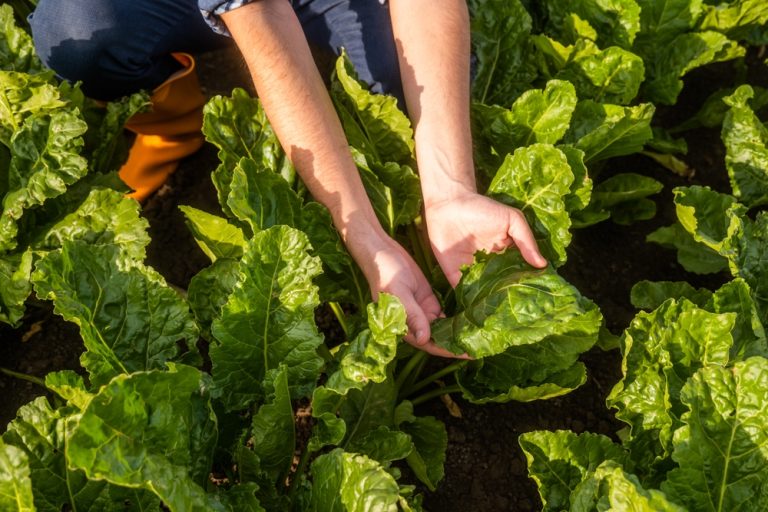
Small spaces often intimidate new gardeners, but they quietly offer some of the most productive growing conditions around. A sunny balcony, narrow patio, or even a few well-placed containers can turn into a surprisingly generous vegetable patch. Many plants actually prefer the controlled environment that containers provide, especially when soil quality and watering stay consistent….
The Secret to a Non-Stop Summer Harvest? These 7 Vegetables
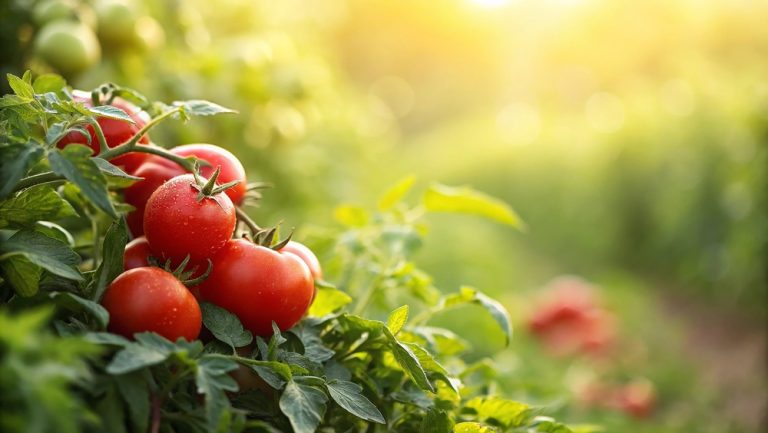
Fresh summer harvests feel like a nonstop reward when the right vegetables get planted in the garden. Some crops produce once and call it a season, but others keep sending out new fruits and leaves for weeks on end. These steady producers help keep meals colorful, budgets lower, and grocery trips shorter. A well-planned garden…
The Vegetable Gardening Trick That Works Surprisingly Well During Droughts
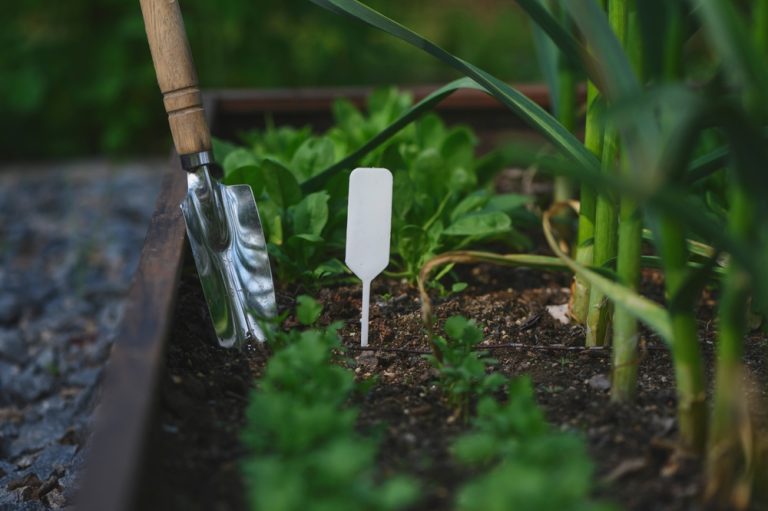
Dry spells test every vegetable garden, especially when the soil cracks and plants start curling at the edges. Water restrictions add even more pressure, forcing gardeners to rethink every drop. A surprisingly effective approach focuses on slowing water use instead of increasing it. This method blends simple tools, smart placement, and soil protection to stretch…
The New Backyard Trend That’s Helping Families Save Money on Groceries
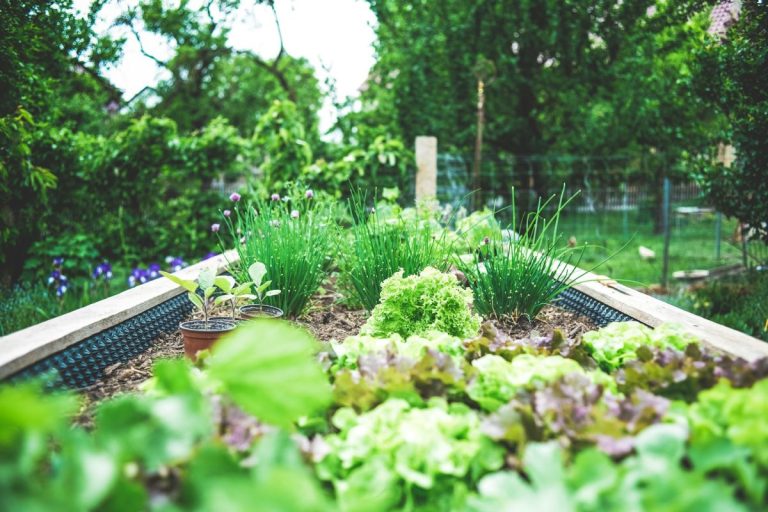
Grocery prices continue to stretch household budgets, and many families now look for creative ways to reduce weekly expenses without sacrificing quality food. One backyard trend has gained serious momentum because it delivers something people can see, taste, and calculate in dollars saved. Vegetable gardening, once considered a hobby mainly for retirees and gardening enthusiasts,…