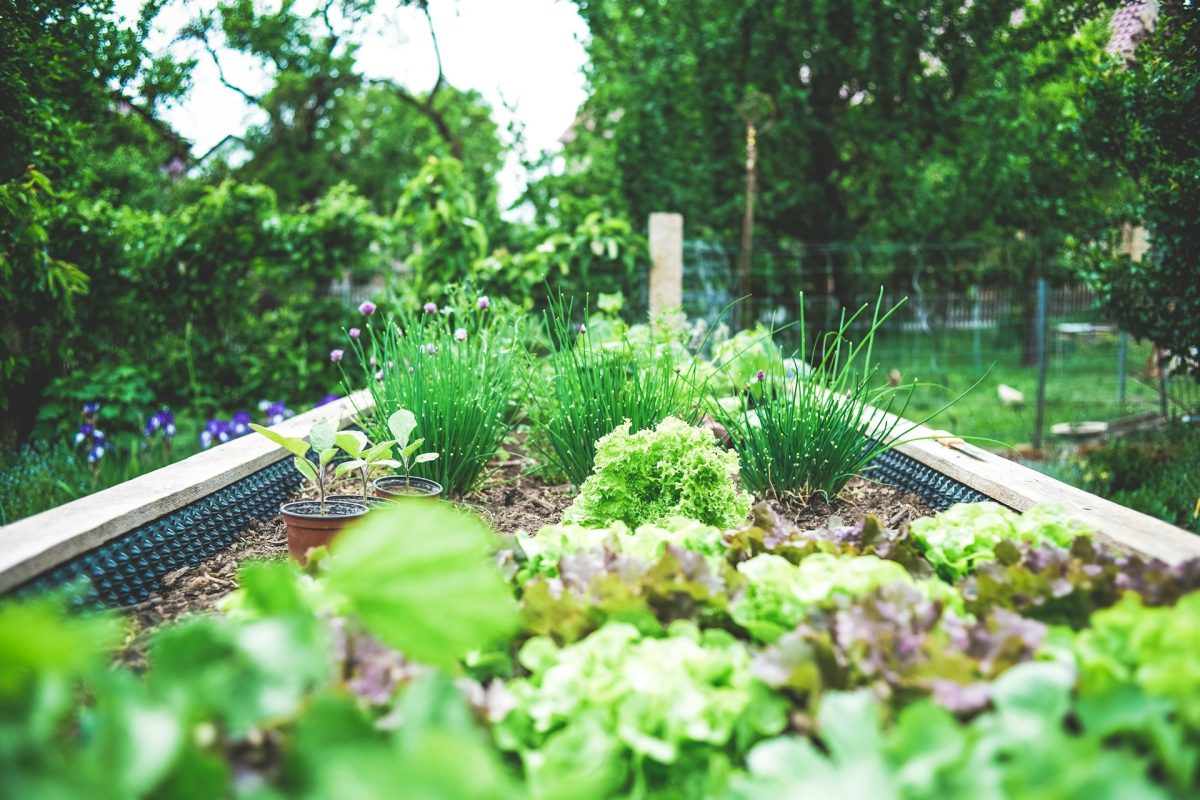
Grocery prices continue to stretch household budgets, and many families now look for creative ways to reduce weekly expenses without sacrificing quality food. One backyard trend has gained serious momentum because it delivers something people can see, taste, and calculate in dollars saved. Vegetable gardening, once considered a hobby mainly for retirees and gardening enthusiasts, now attracts families of all ages who want greater control over their food costs.
The appeal goes far beyond a few tomato plants tucked into a corner of the yard. Families now build raised beds, grow vegetables in containers, and transform unused outdoor spaces into productive mini food gardens. Social media videos, gardening communities, and rising food costs have pushed this trend into the mainstream. The result gives households an opportunity to harvest fresh produce while reducing trips to the grocery store.
Why Backyard Food Gardens Are Growing in Popularity
Food prices have increased significantly over the past several years, making everyday staples feel much more expensive than they once did. A package of salad greens, fresh herbs, or a handful of peppers can add up quickly during a weekly shopping trip. Many families started searching for practical ways to offset these costs without making major lifestyle changes. Backyard gardening emerged as an option that combines savings, convenience, and enjoyment.
The trend also appeals to people who want fresher produce than what often sits on store shelves. A tomato picked minutes before dinner delivers flavor that many store-bought versions simply cannot match. Fresh herbs, leafy greens, and cucumbers often produce abundant harvests throughout the growing season. Families appreciate the ability to step outside and gather ingredients instead of making another trip to the store.
Small Gardens Can Produce Big Savings
Many people assume they need a large property to grow meaningful amounts of food. In reality, even a modest raised bed or a collection of containers can provide a surprising harvest. Lettuce, spinach, green onions, herbs, peppers, and cherry tomatoes grow well in relatively small spaces. These crops also happen to rank among the produce items that families purchase regularly.
Consider a simple herb garden containing basil, parsley, cilantro, and chives. Grocery stores often charge several dollars for small herb packages, and much of that product may go unused before it spoils. A few healthy herb plants can provide months of harvests for a fraction of the cost. Similar savings occur with leafy greens, which grow quickly and allow gardeners to harvest repeatedly throughout the season.
The Crops That Deliver the Best Return on Investment
Some vegetables provide much greater value than others when the goal involves saving money. Herbs consistently rank among the most cost-effective choices because they command high prices in stores and require little growing space. Lettuce, kale, spinach, and Swiss chard also produce multiple harvests from a single planting. These crops allow families to cut spending while enjoying fresh ingredients throughout the growing season.
Tomatoes remain one of the most popular garden crops for good reason. A productive tomato plant can generate dozens of pounds of fruit over several months. Peppers, cucumbers, zucchini, and green beans also offer excellent value because healthy plants often produce more than families expect. Gardeners who focus on crops they frequently eat usually see the greatest financial benefit from their efforts.
Raised Beds Make Gardening Easier Than Ever
Raised-bed gardening has become one of the biggest drivers behind the backyard food movement. These elevated growing spaces improve drainage, reduce soil compaction, and make maintenance easier for many gardeners. Families can place raised beds in sunny areas and fill them with high-quality soil designed specifically for vegetables. This setup often produces stronger results than planting directly into poor native soil.
Raised beds also help new gardeners feel more confident because they create a clearly defined growing space. Weeding becomes simpler, watering remains more efficient, and plants stay organized throughout the season. Many families start with one or two raised beds and gradually expand after seeing successful harvests. That step-by-step approach keeps costs manageable while building gardening skills over time.
Kids Are Getting Involved Too
Parents increasingly view backyard gardens as an opportunity to teach valuable life skills. Children can participate in planting seeds, watering plants, harvesting vegetables, and preparing meals using garden-fresh ingredients. These activities create hands-on experiences that connect kids with the food they eat every day. Many parents notice greater enthusiasm for vegetables when children help grow them.
Gardens also encourage outdoor activity and curiosity about nature. Watching a tiny seed develop into a productive plant creates excitement that screens rarely match. Families often turn gardening into a shared project that combines learning with practical benefits. The savings at the grocery store become even more rewarding when children contribute to the process.
Common Mistakes That Can Reduce Savings
New gardeners sometimes assume they need elaborate setups, expensive equipment, or dozens of plant varieties. Those purchases can quickly erase potential savings before the first harvest arrives. Starting small often produces better results because gardeners can focus attention on a manageable number of plants. Success builds confidence and creates a stronger foundation for future expansion.
Another common mistake involves growing vegetables that the household rarely eats. A bumper crop of eggplant offers little value if nobody enjoys eating eggplant. Successful budget-minded gardeners prioritize foods they buy frequently at the grocery store. Matching garden crops to family eating habits helps maximize both harvests and financial benefits.
A Backyard Project That Pays Off in More Ways Than One
Backyard food gardens offer something increasingly rare in today’s economy: a hobby that can actually reduce household expenses. Families gain access to fresher produce, greater food variety, and valuable gardening skills while trimming grocery bills. Even small gardens can deliver meaningful savings when gardeners focus on high-value crops they regularly consume.
What crops would you plant first if you wanted to lower your grocery bill with a backyard garden? Share your thoughts and experiences in the comments below.
You May Also Like…
7 Backyard Upgrades That Can Make Your Home Feel More Private
9 Flowers That Secretly Help Your Vegetable Garden Grow Better
Why So Many Americans Are Turning Front Yards Into Vegetable Gardens
Why More Homeowners Are Replacing Grass With Food Gardens in 2026
7 Vegetables People Are Panic-Planting Again Because Grocery Prices Won’t Stop Rising

Brandon Marcus is a staff writer for FrugalGardening.com at District Media, Inc., where he delivers practical gardening advice with a relatable, no-nonsense style. An avid amateur gardener, he holds a BA degree and with over ten years of professional writing experience, he is also an award-winning published author whose first book, Questions For Deep Thinkers, was released by Adams Media. His work has appeared in major publications including Fandom.com, CHUD.com, TheColdWire.com, and Fansided.com.
Leave a Reply