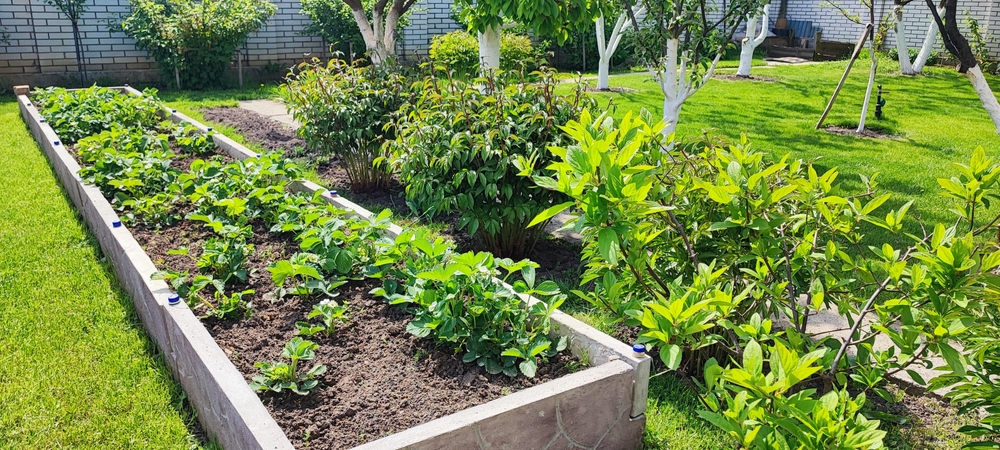
Backyards across small suburbs now look very different from the neat lawns of the past. Homeowners now replace plain grass with vegetables, herbs, flowers, and compact fruit trees that turn unused space into something productive and lively. This shift reflects rising food prices, growing interest in sustainability, and a desire to take control of what ends up on the dinner table. Families now spend weekends outside building soil beds, planting seeds, and experimenting with new crops instead of relying only on grocery store produce. Even small yards now feel full of possibility, creativity, and purpose.
This trend also grows because people want their outdoor spaces to do more than look pretty. Many suburban gardeners now treat their yards like personal food labs where they test what grows well in their specific climate. Neighbors share tips over fences, compare harvests, and trade extra seedlings during the growing season. Local climate changes and unpredictable weather patterns push gardeners to adapt quickly and think strategically. Backyard gardening now stands as both a hobby and a practical response to modern living challenges.
Why Suburban Yards Are Turning Into Mini Farms
Suburban homeowners now redesign their yards with purpose, not just decoration. Many choose edible plants like tomatoes, peppers, kale, and strawberries because they deliver both beauty and food. Rising grocery costs push families to rethink how they use every square foot of outdoor space. Small suburban lots now produce surprising amounts of food when planned carefully. This shift turns ordinary lawns into productive mini farms that support daily meals.
This movement also grows from a desire for independence and resilience. Families enjoy knowing exactly how their food grows and what goes into the soil. Children learn where food comes from by watching plants grow from seed to harvest. Neighbors often compare yields and share surplus produce during peak season. This farming mindset reshapes suburban culture into something more hands-on and resourceful.
Raised Beds Are Changing the Game for Beginners
Raised garden beds now dominate suburban yards because they simplify every stage of gardening. New gardeners build them with wood, metal, or recycled materials to control soil quality from the start. These structures reduce weeds, improve drainage, and make planting far less intimidating. Many homeowners stack multiple beds in small spaces to maximize production without overwhelming the yard. This approach gives beginners a strong foundation for long-term success.
Raised beds also make gardening more comfortable and accessible for people of all ages. Gardeners avoid constant bending and kneeling, which reduces strain during long planting sessions. Soil warms faster in raised beds, which extends the growing season in cooler climates. Many suburban gardeners rotate crops inside these beds to maintain soil health and improve yields. This simple system transforms even the smallest yard into an efficient growing space.
The Rise of Native Plants and Low-Water Gardens
Suburban gardeners now embrace native plants because they reduce maintenance and support local ecosystems. These plants adapt naturally to local weather patterns, which lowers water use and improves survival rates. Many homeowners replace thirsty grass lawns with clover, prairie grasses, and flowering natives. Pollinators like bees and butterflies return quickly when native plants take over. This shift creates yards that support both beauty and biodiversity.
Low-water gardening also responds to rising concerns about drought and resource conservation. Gardeners install drip irrigation systems to deliver water directly to plant roots without waste. Mulch layers help soil retain moisture during hot summer days. Many suburban yards now feature drought-tolerant herbs like rosemary, thyme, and sage. These changes reduce maintenance while building healthier and more resilient outdoor spaces.
Smart Gardening Tools Bringing Tech Outdoors
Technology now plays a surprising role in backyard gardening across suburbs. Smart sensors track soil moisture, temperature, and sunlight exposure in real time. Mobile apps send alerts when plants need water or nutrients, which helps prevent common mistakes. Automated irrigation systems adjust watering schedules based on weather forecasts. These tools give gardeners more control and reduce guesswork in daily care.
Even beginners now feel more confident thanks to easy-to-use gardening technology. Digital garden planners help map out planting layouts before any digging starts. Some systems track plant growth and suggest adjustments for better yields. Solar-powered devices also reduce energy use while supporting sustainable practices. This tech-driven approach blends convenience with hands-on gardening experience.
Community Sharing: Seeds, Swaps, and Backyard Bonds
Backyard gardening now strengthens community ties in surprising ways. Neighbors organize seed swaps where they exchange unique plant varieties and heirloom crops. Gardeners trade extra vegetables during harvest peaks instead of letting them go to waste. These exchanges build trust and encourage collaboration across entire neighborhoods. Shared knowledge spreads quickly and improves results for everyone involved.
Community gardens also expand the suburban gardening movement beyond individual yards. Families work together in shared spaces to grow larger crops and experiment with new techniques. Children learn teamwork and responsibility through group planting activities. Local gardening clubs host workshops that teach composting, pruning, and seasonal planning. These connections turn gardening into a social experience rather than a solitary hobby.
Common Mistakes That Can Drain Time and Money
Many new gardeners rush into planting without checking soil quality first. Poor soil conditions often lead to weak plants and disappointing harvests. Overwatering also causes root problems that slow growth and reduce yields. Some homeowners overcrowd their beds, which limits airflow and encourages disease. Careful planning prevents these issues and saves both time and money.
Another common mistake involves choosing plants that do not match local climates. Gardeners sometimes pick trendy crops that struggle in their region’s conditions. Ignoring sunlight patterns leads to poor placement and uneven growth. Skipping crop rotation can exhaust soil nutrients over time. Smart planning and research help avoid these setbacks and create stronger, more reliable gardens.
What backyard gardening idea would fit best in a small suburban yard today? We want to hear your advice below in our comments.
You May Also Like…
Why Raised Bed Gardens Are Suddenly Everywhere in Middle-Class Neighborhoods
Why Grocery Inflation Is Sending Americans Back to Gardening Again
9 Flowers That Secretly Help Your Vegetable Garden Grow Better
The Heatwave Gardening Mistake Experts Keep Warning About
The Summer Gardening Shortcut Retirees Say Saves Them Hours Every Week

Brandon Marcus is a staff writer for FrugalGardening.com at District Media, Inc., where he delivers practical gardening advice with a relatable, no-nonsense style. An avid amateur gardener, he holds a BA degree and with over ten years of professional writing experience, he is also an award-winning published author whose first book, Questions For Deep Thinkers, was released by Adams Media. His work has appeared in major publications including Fandom.com, CHUD.com, TheColdWire.com, and Fansided.com.
Leave a Reply