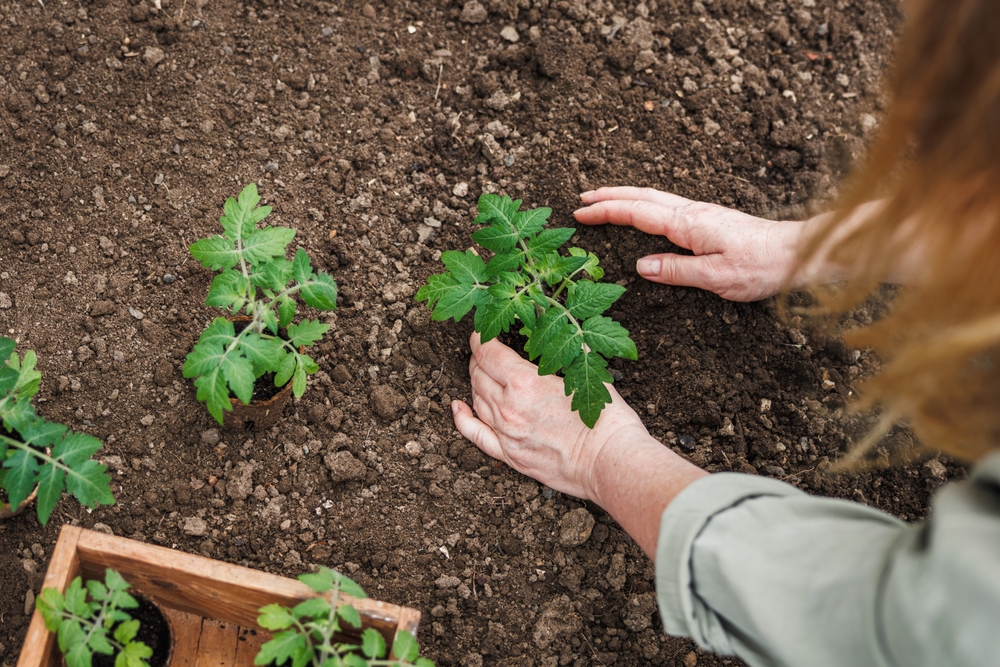
Crowded vegetable beds look impressive at planting time, but they often turn into tangled, stressed-out chaos by midseason. Plants compete for sunlight, water, and nutrients, and that competition quietly drains productivity. Proper spacing changes everything by giving each plant room to expand roots, stretch leaves, and produce reliable harvests.
Gardeners often focus on soil and fertilizer while ignoring spacing, even though spacing directly shapes plant performance. A well-spaced garden also improves airflow, which helps prevent many common plant diseases before they ever take hold.
Why Proper Spacing Changes Everything in the Garden
Vegetable plants grow based on access to sunlight, nutrients, and airflow, and spacing directly controls all three factors. When plants sit too close together, they stretch upward quickly and compete aggressively for light, which weakens stems and reduces production. Roots also expand underground, and tight spacing forces them to fight for limited soil resources. That competition often leads to smaller vegetables, uneven ripening, and stressed plants that attract pests more easily. A well-spaced garden allows each plant to develop its full structure without unnecessary pressure.
Air movement plays a major role in plant health, and spacing controls how freely air moves through garden beds. Dense planting traps moisture on leaves, which creates ideal conditions for fungal diseases like powdery mildew and blight. Wider spacing allows leaves to dry faster after rain or watering, which reduces disease pressure significantly. Pollinators also move more efficiently through open layouts, improving fruit set for crops like tomatoes, peppers, and cucumbers. Strong spacing habits create a healthier garden environment that supports consistent and reliable harvests.
The Most Common Spacing Mistakes Gardeners Make
Many gardeners plant seeds too closely because small seedlings look harmless and easy to manage at the start. This habit leads to overcrowded beds once plants mature and expand far beyond their early size. Another common mistake involves ignoring seed packet instructions and estimating spacing instead of measuring it. That shortcut often results in uneven rows, wasted space in some areas, and cramped clusters in others. Over time, those inconsistencies reduce overall garden productivity and increase maintenance challenges.
Some gardeners also forget to account for plant size at full maturity, especially with sprawling crops like zucchini, squash, and indeterminate tomatoes. These plants require significantly more space than their early growth stage suggests. Vertical growth mistakes also happen when tall crops block sunlight from shorter ones planted nearby. Poor planning like this creates shaded zones that limit photosynthesis and reduce yields. Careful spacing decisions at planting time prevent these problems and keep the garden balanced throughout the season.
Crop-by-Crop Spacing Rules That Boost Harvests
Tomatoes perform best when each plant sits about 18 to 24 inches apart, depending on variety and support system. That spacing allows airflow to reduce disease while still supporting strong fruit production. Lettuce needs closer spacing at about 6 to 12 inches, but even lettuce benefits from thinning to avoid tight clusters. Carrots require consistent spacing of about 2 to 3 inches so roots form straight and full instead of twisted and stunted. Each crop responds differently, so spacing always needs adjustment based on growth habits.
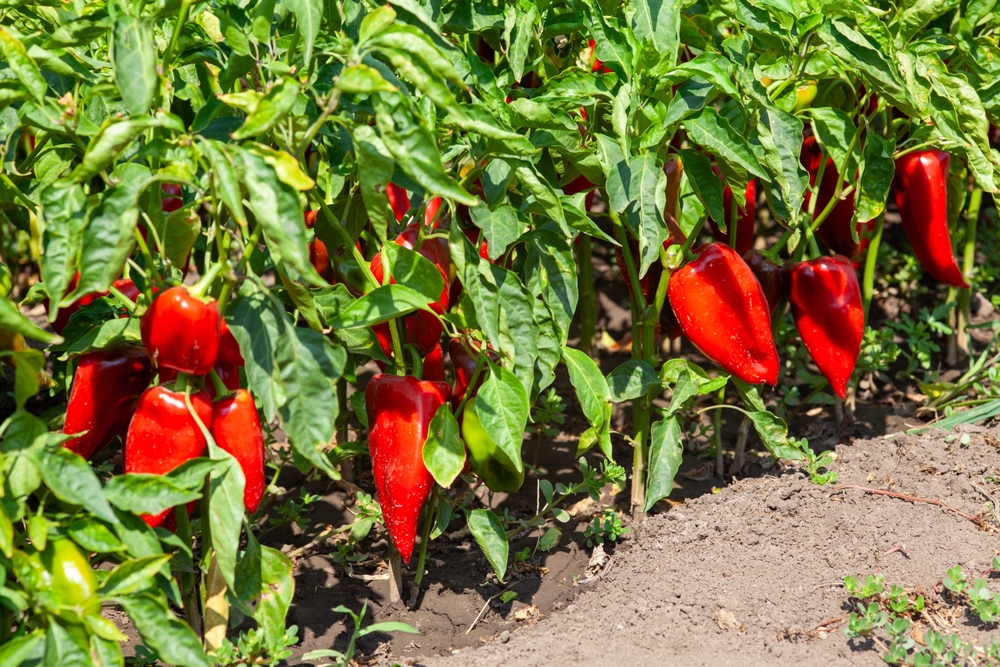
Peppers grow best with about 12 to 18 inches between plants, which supports strong branching and steady fruiting. Cucumbers need 12 to 24 inches of space when grown on trellises, since vines expand quickly in all directions. Beans can sit slightly closer at about 4 to 6 inches apart, but rows still need enough room for airflow. Squash and pumpkins demand generous spacing of 3 to 5 feet because vines spread aggressively across garden beds. Matching spacing to crop type consistently leads to stronger plants and more predictable harvests.
Smart Tools and Simple Tricks for Perfect Spacing
A measuring tape or garden ruler turns planting from guesswork into precision work that pays off all season long. Gardeners often use string lines to keep rows straight and evenly spaced, which improves both appearance and function. Grid planting systems work especially well in raised beds because they divide space into equal sections for consistent planting. Some gardeners also use homemade templates, like cardboard cutouts, to mark exact plant spacing quickly. These simple tools remove uncertainty and make spacing decisions faster and more accurate.
Companion planting also influences spacing decisions because some plants support each other while others compete aggressively. Basil grows well near tomatoes without crowding them, while large leafy crops should avoid blocking sunlight from smaller neighbors. Vertical structures like trellises help maximize space by lifting vining plants upward instead of spreading them across the ground. Proper use of vertical space often reduces the need for wide horizontal spacing in smaller gardens. Smart planning tools and techniques turn limited space into highly productive growing areas.
The Harvest Impact of Getting Spacing Right Every Time
Proper spacing directly increases yield because each plant receives consistent access to resources without unnecessary competition. Well-spaced gardens also reduce pest pressure since insects struggle to hide and spread between plants. Disease control improves naturally because airflow prevents moisture buildup on leaves and stems. Garden maintenance becomes easier because pruning, watering, and harvesting all happen without navigating tangled growth. These combined benefits create a more productive and less stressful gardening experience overall.
What spacing tricks or crop combinations have brought the best results in your garden? We want to hear your stories below in our comments section.
You May Also Like…
7 Small-Space Favorites That Deliver Big Results
8 Space-Saving Picks Ideal for Small Yards
6 Small-Space Edible Garden Ideas That Produce Big Harvests
5 Budget Vegetable Patch Designs for Small Yards
This Unusual Vegetable Is Making a Comeback in Small Yards

Brandon Marcus is a staff writer for FrugalGardening.com at District Media, Inc., where he delivers practical gardening advice with a relatable, no-nonsense style. An avid amateur gardener, he holds a BA degree and with over ten years of professional writing experience, he is also an award-winning published author whose first book, Questions For Deep Thinkers, was released by Adams Media. His work has appeared in major publications including Fandom.com, CHUD.com, TheColdWire.com, and Fansided.com.
Leave a Reply