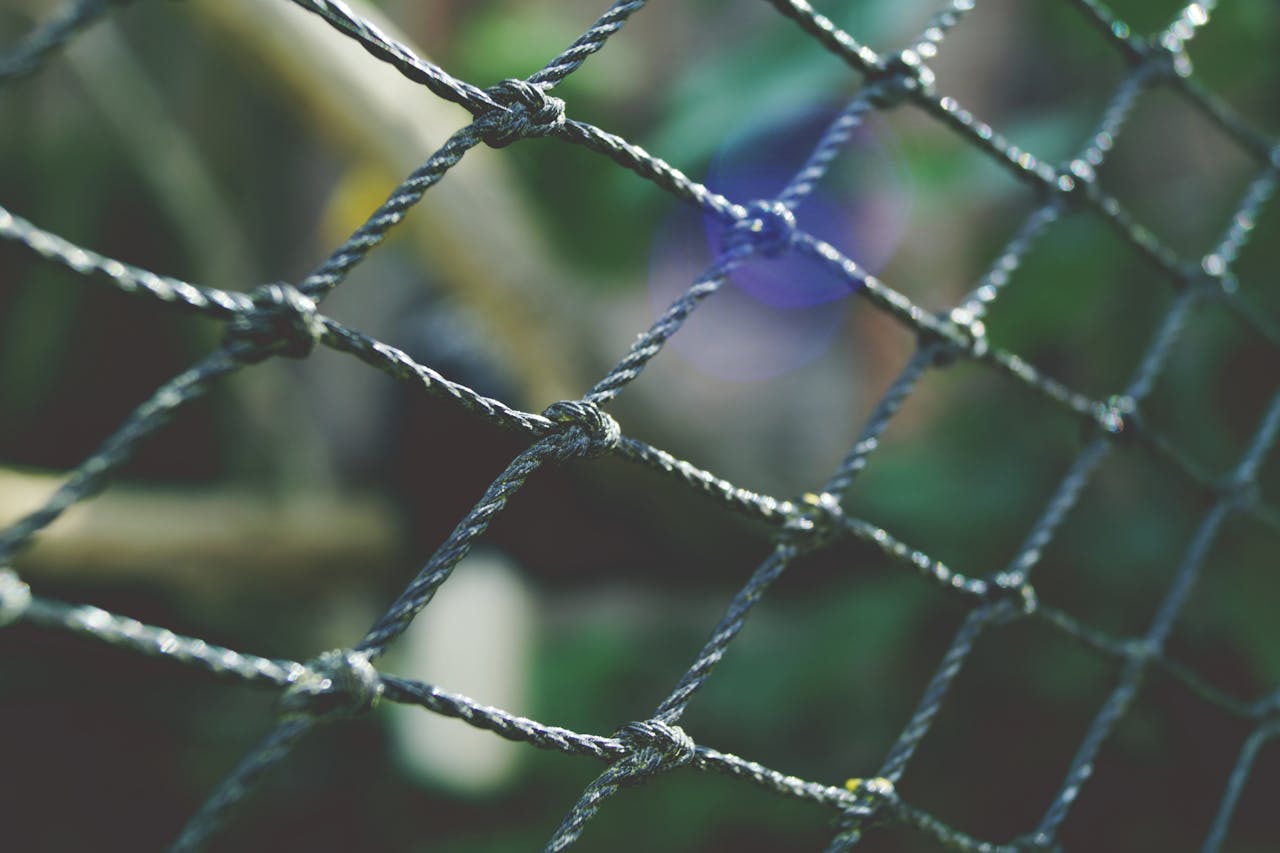
A fence looks like control. It tells the world where your space begins and ends. But to a fox, a hedgehog, or a deer moving through its nightly route, that fence can feel like a wall that suddenly blocks a path used for generations. In some cases, it does more than block. It traps, injures, and even kills.
Most people install fences for privacy, security, or to keep pets safe. All reasonable goals. But many standard fencing styles create real hazards for wildlife, especially in suburban and urban areas where animals already struggle to find safe passage. The trouble doesn’t come from bad intentions. It comes from not realizing how a simple design choice can turn a yard into an obstacle course with serious consequences.
When “Secure” Becomes Dangerous
Chain-link fences, tightly spaced wooden panels, and vinyl privacy walls may feel sturdy and sensible. Wildlife sees something very different. Deer often attempt to jump fences that sit just slightly too high for comfort, and when they misjudge the height or get their legs tangled in wire or mesh, they suffer broken limbs or deep lacerations. A panicked deer thrashes, which only makes the damage worse.
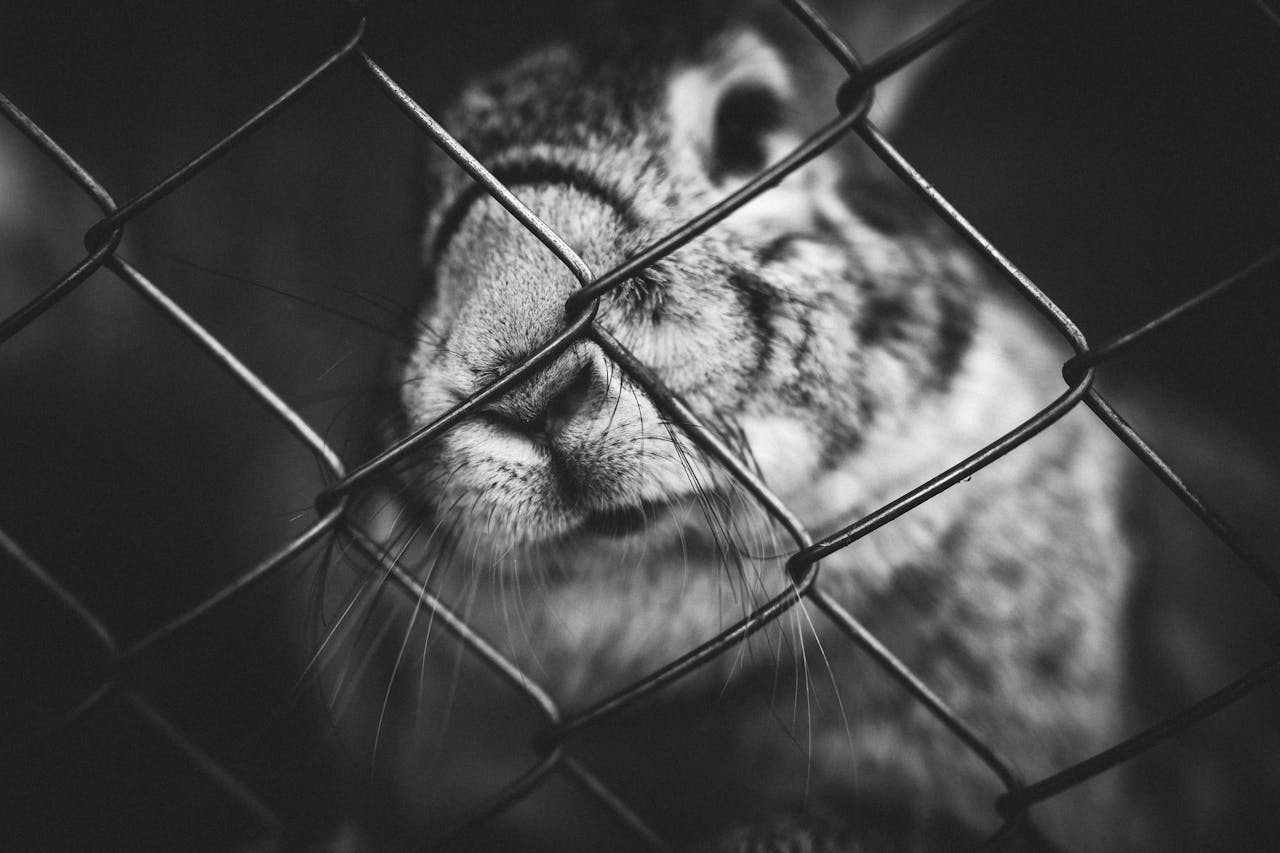
Small mammals face a different problem. Animals like hedgehogs and rabbits move low to the ground and rely on small gaps to travel between feeding areas. Solid fencing that sits flush with the ground cuts off those routes entirely. When young animals search for food or mates and cannot pass through, they wander into roads or unfamiliar territory, where cars and predators pose even greater risks.
Even wrought iron and decorative metal fences, which many homeowners consider more “open,” can create deadly traps if they include narrow vertical bars. Animals squeeze through openings that look passable and then get stuck at the hips or shoulders. Exhaustion, injury, and dehydration follow quickly.
The Hidden Threat of Barbed and Razor Wire
Barbed wire only belongs on large agricultural properties where livestock control matters. It does not belong in a typical backyard. Wildlife does not understand sharp deterrents. Deer, coyotes, and even large birds collide with barbed wire at night, especially when they cannot see it clearly. The barbs tear into skin and muscle, and animals often attempt to leap free, which deepens the wounds.
Razor wire presents an even harsher danger. It slices through wings, paws, and fur without hesitation. Birds that attempt to perch on it lose balance and suffer severe injuries. In many suburban settings, local regulations already discourage or ban razor wire because of the harm it poses to both people and animals.
If security remains a concern, you can achieve it with safer options. Taller smooth fencing without barbs, motion-activated lighting, and strategic landscaping provide protection without turning the perimeter into a blade-lined barrier.
Ground-Level Gaps Matter More Than You Think
You might take pride in installing a fence that sits snug against the soil, with no daylight visible underneath. From a wildlife perspective, that clean line creates a serious disruption. Many small mammals depend on established corridors. They follow the same routes night after night, often hugging fence lines and hedges for cover.
When a fence blocks that route completely, animals do not simply turn around and call it a night. They search for a way through. That search increases stress and exposes them to predators and traffic. Fragmented habitats force animals into smaller and smaller pockets, which reduces genetic diversity over time because individuals cannot move freely to find mates.
A simple solution exists. Leave a small wildlife gap, about five inches high and wide, at ground level in selected sections of the fence. These intentional openings allow hedgehogs, turtles, and other small animals to pass through while still keeping larger pets contained. You can place these gaps strategically so they do not compromise the overall structure or security of your yard.
Reflective Surfaces and Invisible Barriers
Glass and clear acrylic panels have grown popular in modern garden design. They offer wind protection and preserve views. Birds do not see them the way humans do. Birds interpret reflections of trees and sky as open flight paths. When they fly toward those reflections at full speed, they collide with solid surfaces.
Window strikes already rank as a leading cause of bird deaths in urban areas. Adding reflective fencing at ground level increases that risk. Frosted films, decals spaced closely together, or patterned designs break up reflections and help birds recognize the barrier before impact.
Even standard wire fencing can become nearly invisible at dusk. Large birds in flight may not detect thin strands until it’s too late. Choosing fencing with visible rails or adding markers along the top edge improves visibility and reduces collisions.
Wildlife Corridors Start in Your Backyard
Urban development continues to shrink natural habitats. As forests and fields give way to roads and subdivisions, animals rely more heavily on connected green spaces. A single yard may not seem important in the grand scheme, but collectively, backyards form critical corridors that allow wildlife to move between parks, streams, and wooded patches.
When every property along a block installs solid, impenetrable fencing, that corridor disappears. Animals end up isolated in small pockets, which increases competition for food and raises stress levels. Over time, isolation weakens populations.
You can support connectivity without sacrificing your needs. Consider partial fencing instead of enclosing the entire perimeter. Use hedges or native shrubs along some boundaries instead of solid panels. Native plants provide food and shelter while still marking your space. If you must fence the full yard, incorporate those wildlife gaps and avoid sharp or entangling materials.
Designing a Fence That Protects Everyone
You do not need to tear down your current fence tomorrow. Start by assessing the risks. Walk the perimeter and look for tight vertical bars, loose mesh, sharp edges, or areas where animals could become trapped. If you find hazards, address them gradually. Replace barbed sections with smooth wire. Adjust spacing where possible. Trim back vegetation that funnels animals into dead ends.
Height matters, too. In areas with deer, a fence lower than eight feet often tempts them to jump. If you cannot install a tall fence, angle the top outward slightly to discourage attempts. For smaller wildlife, ensure at least a few designated pass-through points remain open.
Landscaping plays a powerful role. Dense hedges can guide animals toward safer crossing spots. Motion-activated lights deter some nocturnal visitors without causing injury. And if you keep pets, supervise them outdoors, especially at night, to reduce the perceived need for extreme barriers.
The Line Between Care and Control
A fence draws a line in the soil, but it also draws a line in our thinking. We often focus on control: keeping things in, keeping things out, managing what belongs to us. Wildlife does not recognize property lines. Animals follow instinct, memory, and survival needs.
When you choose a fence design that considers those needs, you shift from pure control to thoughtful coexistence. You protect your garden, your pets, and your privacy without turning your yard into a hazard. Small changes in material, spacing, and layout can mean the difference between a safe passage and a fatal barrier.
What small change could you make that would protect your space and still give wildlife a fighting chance to move safely through the world? Homeowners and animal lovers should share their thoughts in our comments.
You May Also Like…
7 Tiny Fence Fixes That Keep Snow From Destroying Panels
8 Tips For Designing Your Garden For Efficiency
Design a Winter Garden That Looks Just as Good Without Flowers
Why Your Garden Shed Could Be Harboring Toxic Mold This Winter
The Cheap Seed Starting Tray That’s Warping Roots and Killing Crops

Brandon Marcus is a staff writer for FrugalGardening.com at District Media, Inc., where he delivers practical gardening advice with a relatable, no-nonsense style. An avid amateur gardener, he holds a BA degree and with over ten years of professional writing experience, he is also an award-winning published author whose first book, Questions For Deep Thinkers, was released by Adams Media. His work has appeared in major publications including Fandom.com, CHUD.com, TheColdWire.com, and Fansided.com.
Leave a Reply