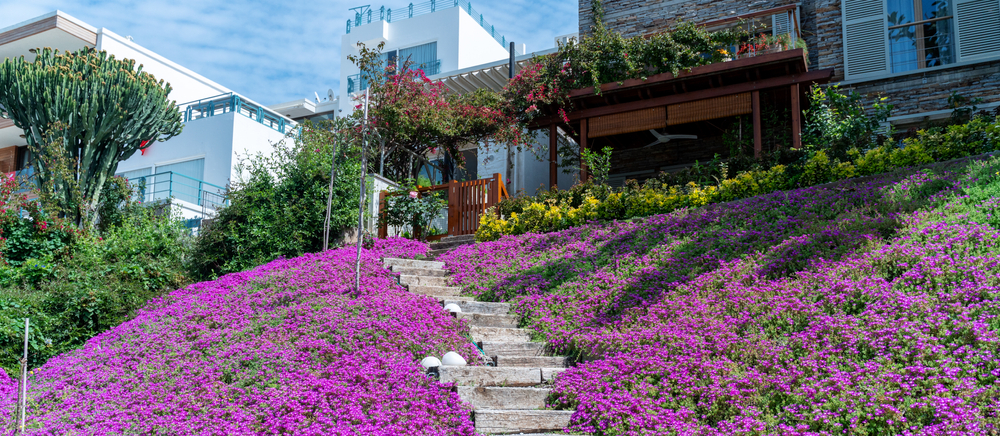
A few years ago, “planting for pollinators” sounded like a feel-good weekend project. Now, in some places, it can come with real money attached—rebates, cost-share grants, free coaching, or even discounted plants—because local governments are tired of paying for the same problems over and over. When a yard can soak up stormwater, reduce erosion, and support struggling insects, it’s cheaper to help residents plant smarter than to keep fixing downstream damage. That’s why programs that support native wildflowers keep popping up, especially where flooding, heat, or habitat loss is getting expensive. The best part for frugal gardeners is that these incentives can make a yard upgrade feel a lot less risky.
1. Native Wildflowers Support Pollinators In Everyday Neighborhoods
Pollinators don’t live only in nature preserves, so states and cities want habitat where people actually live. When residents plant native wildflowers, they create “rest stops” for bees, butterflies, and other beneficial insects moving through developed areas. Some programs focus on connected corridors, often called pathways, so small home projects add up to something bigger. Minnesota’s Board of Water and Soil Resources, for example, supports the Lawns to Legumes program, which offers resources and cost-share style funding for residential pollinator plantings.
2. Stormwater And Flooding Are Costing Cities A Fortune
Heavy rain that used to soak into soil now races across compacted lawns and hard surfaces, and somebody has to pay for the runoff. Native plantings slow water down, help it sink in, and reduce the pressure on storm drains and waterways. That’s why many incentives are bundled with rain garden or native landscaping rebates, not just “pretty flower” projects. One example is the City of Shoreline, Washington’s Soak It Up Rebate Program, which provides rebates for rain gardens and native landscaping. The less runoff a neighborhood creates, the less a city has to spend on repairs and water-quality fixes.
3. Incentives Are Cheaper Than Cleaning Up Environmental Damage
It’s hard to “undo” habitat loss once it’s happened, so agencies often fund prevention because it’s the bargain option. Supporting native wildflowers can help reduce erosion, improve soil structure over time, and cut down on fertilizer demand when the right plants are matched to the site. Many of these programs also come with coaching or simple planting guides, which reduces failure rates and makes the public dollars go further. Minnesota’s Lawns to Legumes model leans heavily on support plus reimbursement, which keeps homeowners from feeling like they’re guessing their way through a project. If a state can spend a few hundred dollars to help a yard succeed, it may avoid spending far more on long-term infrastructure and restoration.
4. “Paying Homeowners” Often Means Rebates, Not Big Checks
These programs usually aren’t writing blank checks for landscaping, and that’s good to know up front. Many work like a reimbursement, where you apply, get approved, plant, then submit receipts and photos. North Hempstead, New York, for instance, has run a Native Plant Rebate Program that requires an application with a plant list and basic layout, with funding limits and deadlines. This structure keeps the program fair, helps prevent scams, and makes sure the planting actually happens.
5. They Want A “Ripple Effect” That Changes What People Grow
A big hidden goal is cultural: once neighbors see a successful planting, they copy it, and the impact spreads without additional funding. Incentive programs also push demand toward regional growers who supply locally appropriate plants, which makes future projects easier to source. When more gardeners get comfortable with native wildflowers, fewer people default to thirsty ornamentals that need constant inputs. Some programs even encourage public-facing signs or certifications, so residents can point to a recognized habitat effort rather than argue with every skeptical neighbor. Over time, a rebate can reshape what a community considers “normal” landscaping.
The Frugal Way To Use These Programs Without Wasting Money
Start by searching your city, county, conservation district, or state agency websites for “native plant rebate,” “pollinator garden grant,” or “rain garden rebate,” because the best opportunities are often local. Apply before you buy plants, since many programs require pre-approval, specific species lists, or photo documentation. Keep the project small the first year—one bed, one border strip, or one rain garden—then expand once you see what thrives in your yard. Budget your “match” money for the unglamorous stuff that makes success more likely, like cardboard for sheet mulching, compost for a thin top-dress, and a cheap hose timer for establishment watering.
If your area offers incentives, what would you plant first to make the biggest difference in your yard?
What to Read Next…
10 Flowers That Attract Pollinators Without Extra Spending
11 Million Gardeners’ Secret: Build Your Dream Garden for Free – Free Plants Delivered to Your Door!
Is Growing Herbs at Home Still a Money Saver?
8 Free Garden Materials People Throw Away Every Week
How to Make Your Yard a Haven for Birds and Pollinators This Winter

Catherine is a tech-savvy writer who has focused on the personal finance space for more than eight years. She has a Bachelor’s in Information Technology and enjoys showcasing how tech can simplify everyday personal finance tasks like budgeting, spending tracking, and planning for the future. Additionally, she’s explored the ins and outs of the world of side hustles and loves to share what she’s learned along the way. When she’s not working, you can find her relaxing at home in the Pacific Northwest with her two cats or enjoying a cup of coffee at her neighborhood cafe.
We have about 5 acres that is idle now. We are interested in raising wildflowers and honeybees. We hear that funding is available for these types of projects. We live in Zachary Louisiana 2252021215 any information to help with this project will be appreciated! Thanks Bob Norwood