A small garden can turn into a heat trap surprisingly fast. Patios soak up sunshine, fences reflect warmth, and every hard surface seems determined to hold onto heat long after the sun slips away. Thankfully, a cooler garden does not require waiting years for a tree to grow or squeezing one into a space that simply cannot handle it.
A handful of thoughtful changes can lower the temperature people actually feel while making the garden look more inviting at the same time. The secret involves controlling sunlight, encouraging airflow, and choosing materials that work with nature instead of against it. Even a compact courtyard or tiny backyard can become a comfortable retreat with the right approach.
1. Add Shade With Structures Instead of Branches
The fastest way to cool a small garden starts with blocking direct sunlight before it reaches the ground. Pergolas, shade sails, outdoor curtains, bamboo screens, or even a simple fabric canopy create immediate relief from intense afternoon sun. Unlike a tree, these solutions work the day they go up and require very little maintenance.
Shade also protects surfaces from storing as much heat throughout the day. A wooden deck under a shade sail stays much more pleasant than one that bakes in full sunshine for hours. Many gardeners notice that containers dry out more slowly beneath filtered shade as well, which means less watering during hot weather. Climbing plants such as annual vines can cover a pergola quickly without demanding the permanent space that a mature tree needs. The result feels airy instead of crowded, which matters in a smaller landscape.
2. Let Plants Become Living Air Conditioners
Plants cool the air naturally through evaporation from their leaves, but the trick involves planting in layers instead of scattering pots around randomly. Group leafy plants together to create pockets of cooler air that feel noticeably different from exposed sections of the yard. Large-leaved varieties, ornamental grasses, and lush flowering perennials all contribute to the effect.
Container gardens offer surprising flexibility because they move wherever cooling matters most. Place taller pots behind seating areas, cluster medium-height plants nearby, and fill gaps with trailing varieties that soften hard edges. Dense foliage also shields patios, stone borders, and walls from direct sunlight, preventing those surfaces from radiating extra heat later in the day. Even herbs like basil and mint add greenery while releasing pleasant scents whenever someone brushes past them. Every layer of foliage helps replace reflected heat with cooler, softer surroundings.
3. Swap Heat-Holding Materials for Cooler Surfaces
Many people blame the weather when the real culprit sits under their feet. Dark paving stones, black mulch, and large concrete slabs absorb sunshine like giant storage heaters. Those materials continue releasing warmth well into the evening, making the entire garden feel warmer than the actual air temperature.
Replacing every hard surface rarely fits the budget, but small changes produce impressive results. Light-colored gravel reflects more sunlight than dark stone. Organic mulch keeps soil cooler while reducing moisture loss around plants. Decorative bark, shredded leaves, or composted wood chips all help insulate the soil naturally. Even adding outdoor rugs over sun-baked patios creates a surface that feels more comfortable for bare feet. Small adjustments spread throughout the garden often deliver a bigger improvement than one expensive renovation.
4. Use Water Where It Counts
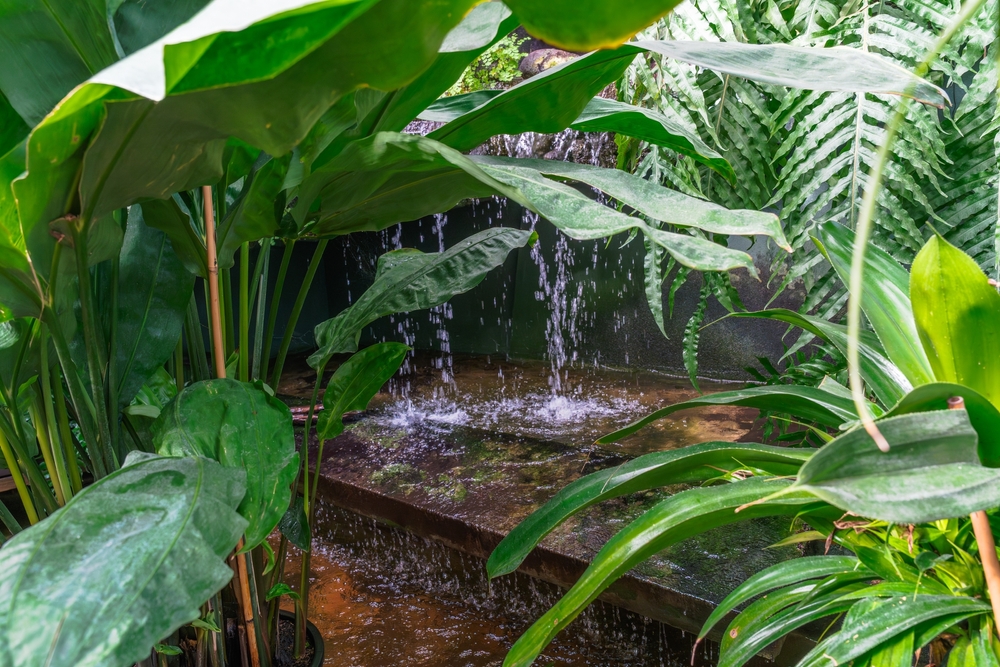
Water changes how a garden feels even without installing an elaborate pond or fountain. A compact bubbling feature creates gentle movement, subtle humidity, and the soothing sound of flowing water. The cooling effect may remain modest physically, but the combination of moisture and relaxing sound makes outdoor spaces feel noticeably fresher.
Plants also appreciate thoughtful watering habits. Early morning watering cools the soil before the day’s heat arrives and allows moisture to soak deeply into the root zone. Damp soil stays cooler than dry, dusty ground, especially beneath mulch. A birdbath, small ceramic fountain, or decorative water bowl also attracts birds that bring movement and life into the garden. Suddenly the space feels vibrant instead of baking quietly beneath the summer sun.
5. Encourage Every Breeze to Do Its Job
A gentle breeze cools faster than many people realize, but poor garden layouts often block moving air. Solid fences, tightly packed furniture, and bulky storage units can trap warm air inside small yards. Creating clear pathways for airflow helps the entire space feel fresher throughout the day.
Slatted screens, decorative lattice panels, or partially open fencing allow breezes to travel without sacrificing privacy. Arrange seating where natural airflow already exists rather than pushing chairs into sheltered corners that collect heat. Tall containers should frame outdoor spaces instead of forming walls that stop moving air. Lightweight outdoor curtains can filter sunshine while still fluttering enough to let cooling breezes pass through. Sometimes the coolest garden simply gives nature a little room to work.
Small Changes Can Make a Big Difference
Creating a cooler garden does not require a towering maple or decades of patience. Smart shade, generous planting, cooler materials, thoughtful water features, and better airflow all work together to lower the temperature people actually experience. Each improvement builds on the next, transforming even a compact outdoor space into a comfortable escape during the hottest months.
The best part involves flexibility. Most of these ideas can happen one project at a time without tearing apart the entire garden. That gradual approach also makes it easier to discover which changes produce the biggest difference for a particular space. A small garden may never feel like a shaded forest, but it certainly does not have to resemble a sunbaked parking lot either.
What simple change has made the biggest difference in keeping your garden cool during summer? Give us your favorite trick in the comments below.
You May Also Like…
Can a Mini Bog Garden Work in a Small Backyard?
6 Reasons Screen-Free Backyard Retreats Are Trending
6 Reasons Blackcurrants May Become the Next Backyard Superfruit
The Cheap Backyard Upgrade That Makes Summer Nights Better
Why Backyard Gardening Is Becoming a Retirement Hobby Boom

Brandon Marcus is a staff writer for FrugalGardening.com at District Media, Inc., where he delivers practical gardening advice with a relatable, no-nonsense style. An avid amateur gardener, he holds a BA degree and with over ten years of professional writing experience, he is also an award-winning published author whose first book, Questions For Deep Thinkers, was released by Adams Media. His work has appeared in major publications including Fandom.com, CHUD.com, TheColdWire.com, and Fansided.com.
Leave a Reply