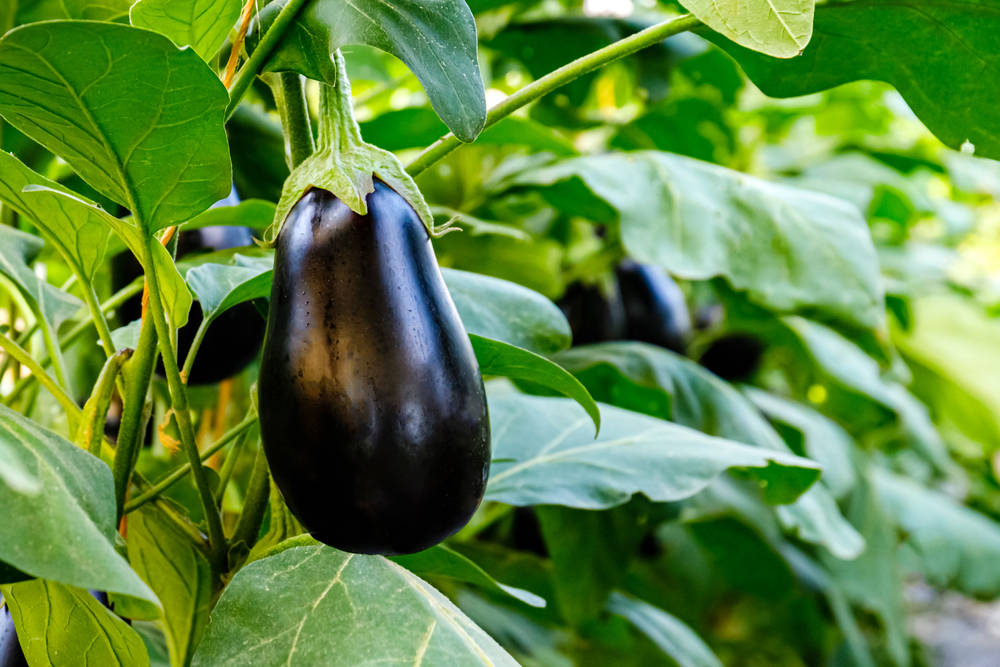
Purple flowers cover an eggplant plant, but not a single glossy fruit appears. It feels like a cruel gardening joke, especially after weeks of watering, feeding, and watching those plants grow taller by the day. Those beautiful blossoms actually reveal that the plant reached an important stage, but something interrupted the next step.
The good news is that flowers without fruit usually point to a fixable problem rather than a failed crop. Temperature swings, poor pollination, watering habits, or even too much fertilizer can stop fruit from developing. Once the real cause comes into focus, many plants bounce back surprisingly fast and begin producing the eggplants everyone expected to harvest.
Eggplants Need the Right Temperatures to Set Fruit
Eggplants love warm weather, but even heat-loving vegetables have limits. Daytime temperatures that climb into extreme heat or nighttime temperatures that stay too warm can interfere with successful fruit set, even when flowers appear healthy. Cool weather creates similar problems because pollen becomes less effective before fertilization can happen.
Many gardeners notice this pattern during midsummer heat waves. Blossoms open, look perfect for a few days, then dry up and fall to the ground without leaving a tiny eggplant behind. That does not always mean the plant has a disease or lacks nutrients. Once temperatures settle into a more comfortable range, the same plant often begins producing fruit without any other changes. Patience sometimes becomes the most valuable gardening tool.
Pollination Problems Can Leave Flowers Empty
Unlike squash or cucumbers, eggplants produce flowers that contain both male and female parts. Even so, pollen still needs movement to complete fertilization. Bees usually handle that job while collecting nectar, but rainy weather, strong winds, or a lack of pollinating insects can reduce successful pollination.
A quick inspection during the morning often tells the story. If bees rarely visit the flowers, gently tapping each blossom or lightly shaking the plant around midday can help move pollen where it belongs. Some gardeners also use a small, soft artist’s brush to transfer pollen between flowers. That simple task takes only a few minutes and often improves fruit production, especially in greenhouses, patios, or other sheltered growing spaces where insect activity stays low.
Too Much Nitrogen Creates Beautiful Leaves Instead of Eggplants
Lush foliage impresses everyone walking through the garden, but giant leaves do not guarantee dinner. High-nitrogen fertilizers encourage leafy growth, which often comes at the expense of flowers developing into fruit. A plant can look incredibly healthy while quietly refusing to produce eggplants.
Many all-purpose lawn fertilizers contain much more nitrogen than vegetable gardens need. Compost mixed with fresh manure can also contribute more nitrogen than expected. Instead, choose a fertilizer designed for fruiting vegetables with balanced nutrients or slightly higher phosphorus and potassium once flowering begins. Healthy leaves still matter, but the plant also needs encouragement to shift energy toward developing fruit instead of producing another round of oversized foliage.
Water Stress Stops Fruit Before It Starts
Eggplants appreciate consistent soil moisture. They dislike sitting in soggy soil, but they also struggle when the ground swings from bone dry to soaking wet. Those dramatic changes create stress that causes flowers to drop before fruit begins to grow.
Deep watering once or twice each week usually works better than light daily sprinkling because moisture reaches deeper roots. Adding a layer of organic mulch also helps keep soil temperatures more stable while slowing evaporation during hot weather. A gardener who waters generously on Saturday but forgets until Thursday may accidentally create enough stress to interrupt fruit production. Steady care almost always beats heroic rescue watering after plants begin to wilt.
Small Planting Choices Make a Big Difference
Location affects eggplant performance more than many people realize. These vegetables need at least six to eight hours of direct sunlight each day, and even more sunshine often produces better harvests. Plants growing beside tall tomatoes, fences, or trees may bloom generously while lacking enough energy to support developing fruit.
Spacing matters just as much. Crowded plants compete for sunlight and air circulation, creating extra humidity around leaves while limiting pollinator access. A quick pruning of damaged lower leaves or nearby vegetation sometimes improves airflow and allows more sunlight to reach flowers. Healthy spacing also reduces disease pressure, giving plants more energy to devote to producing glossy, flavorful eggplants instead of simply surviving the season.
A Few Flowers Naturally Drop Without Producing Anything
Every flower does not need to become an eggplant. Plants naturally shed some blossoms as they balance available energy with growing conditions. That process often surprises new gardeners, but it does not signal disaster unless nearly every flower falls without producing fruit.
Young transplants commonly spend their first weeks building stronger roots before committing energy to fruit production. Mature plants often increase their harvest later in the season after root systems expand and weather conditions improve. Instead of removing flowering plants too early, continue providing regular water, adequate sunlight, and balanced nutrition. Many disappointing plants suddenly shift gears and begin producing several eggplants within a short period once favorable conditions return.
The Harvest Often Arrives After a Few Simple Adjustments
Eggplants reward observation more than guesswork. A careful look at weather patterns, watering habits, fertilizer choices, pollinator activity, and sunlight usually reveals why beautiful flowers fail to become delicious fruit. Most problems require only small adjustments rather than expensive products or dramatic interventions.
The next time those striking purple blossoms appear without any eggplants behind them, treat the flowers as clues instead of disappointments. A healthier watering routine, improved pollination, better fertilizer balance, or simply waiting for more favorable temperatures may transform the same plant into one of the garden’s most productive vegetables. Gardening rarely demands perfection, but it almost always rewards patience, curiosity, and careful attention.
What has worked best for getting your eggplants to produce more fruit? Share your favorite tips or questions in the comments below.
You May Also Like…
Why Are Gardeners Moving Houseplants Outdoors for the Summer?
Houseplants Go Outdoors: “In-and-Out” Plants Come Back Inside in Fall
Apartment Gardening: The Cheap Setup for a Balcony Bounty
The Best Crops for Windy Balconies and Hot Patios
10 Vegetables That Give the Best Return for Small Gardens

Brandon Marcus is a staff writer for FrugalGardening.com at District Media, Inc., where he delivers practical gardening advice with a relatable, no-nonsense style. An avid amateur gardener, he holds a BA degree and with over ten years of professional writing experience, he is also an award-winning published author whose first book, Questions For Deep Thinkers, was released by Adams Media. His work has appeared in major publications including Fandom.com, CHUD.com, TheColdWire.com, and Fansided.com.
Leave a Reply