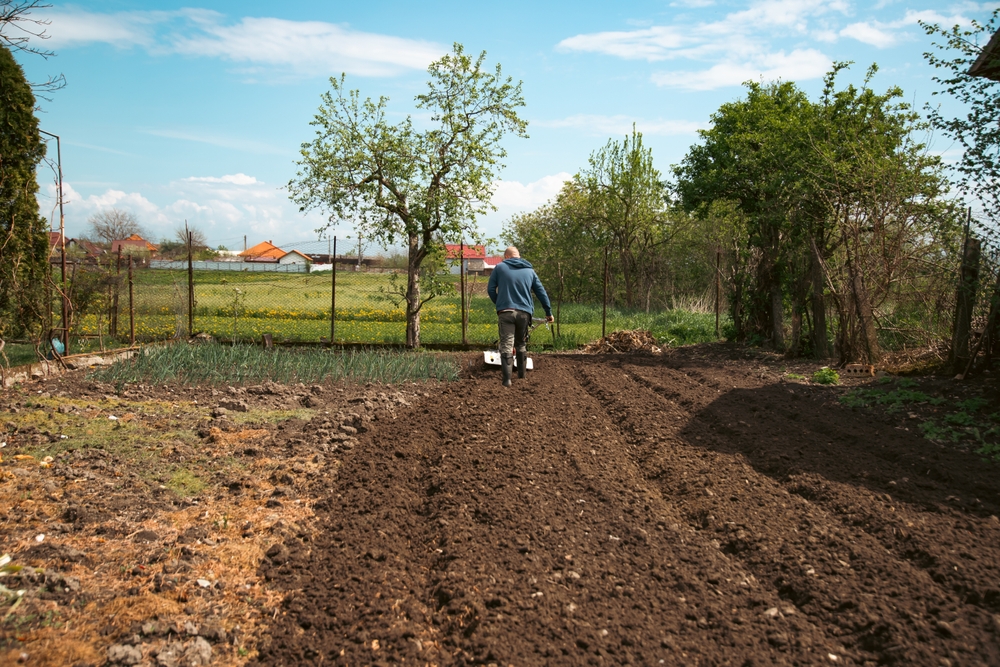
The crunch of a plow tearing through rich, dark soil has long been the anthem of gardeners and farmers gearing up for a new season. But what if that satisfying roar is actually doing more harm than good? Tilling has been a cornerstone of agriculture for centuries, yet science and innovative gardening practices are revealing a surprising truth: less can be more.
By reconsidering traditional tilling, you might unlock healthier soil, more resilient plants, and a garden that practically thrives on its own. Strap in, because the world beneath your feet is about to get a lot more interesting.
Soil Microbes Deserve A Break
When you till, you disrupt the tiny ecosystem living just below the surface. Billions of microbes, fungi, and bacteria call the soil home, and they play a crucial role in keeping plants healthy and nutrient-rich. Constant turning and churning can destroy their habitats, leaving your soil vulnerable and less fertile. No-till methods allow these microscopic workers to build structure, recycle nutrients, and improve soil resilience. Over time, healthy microbial communities can naturally ward off diseases, meaning fewer chemical interventions for your garden.
Erosion Is A Sneaky Enemy
Tilling may seem productive, but it actually exposes soil to the elements, making it far more likely to erode. Wind and rain can carry away the fertile top layer that your plants crave, leaving behind compacted dirt that struggles to retain moisture. By leaving soil intact, you protect its structure and maintain its ability to nourish plants. Cover crops, mulch, and no-till beds act like a shield, slowing down erosion while adding organic matter back into the soil. In the long run, what feels like work might be contributing to a silent disaster beneath your feet.
Carbon Storage Can Boost Your Garden And The Planet
Every time soil is tilled, it releases carbon dioxide, contributing to greenhouse gases in the atmosphere. No-till gardening and regenerative techniques trap carbon, improving soil fertility while helping the planet at the same time. Healthy soil rich in organic matter stores water better, reduces runoff, and supports stronger plant growth. Think of it as turning your garden into a carbon superhero, quietly fighting climate change while boosting your harvest. Even small gardens can make a noticeable difference when you adopt soil-friendly practices.
Water Retention Becomes Easier
Watering your garden only to watch it disappear into the ground is frustrating and wasteful. Tilled soil often loses its natural structure, causing water to drain too quickly and leaving roots thirsty. By leaving the soil undisturbed and covering it with mulch or cover crops, water retention improves dramatically. Moisture is trapped longer, creating a perfect environment for deep root growth. In addition, less frequent watering can save time, reduce your water bill, and keep plants healthier throughout hot, dry spells.
Weed Control Without Constant Struggle
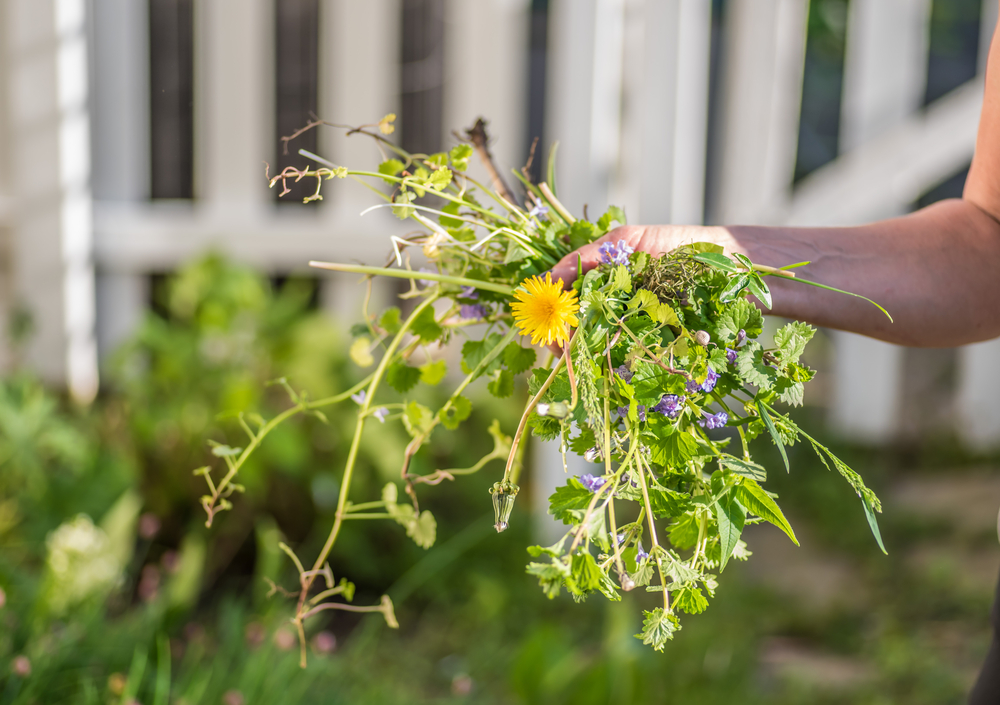
It might sound counterintuitive, but tilling can actually promote weed growth. By bringing buried weed seeds to the surface, you give them the perfect conditions to sprout and compete with your crops. No-till beds, combined with mulch or living ground covers, suppress weeds naturally and reduce the need for constant intervention.
Over time, a healthy, covered soil ecosystem discourages persistent weed problems before they even start. This approach saves energy, time, and frustration, making your gardening season more enjoyable and productive.
Soil Compaction Can Become A Friend
Repeated tilling doesn’t just disturb microbes—it can compact soil in layers below the surface. This compaction makes it harder for roots to grow and limits oxygen and nutrient flow. Avoiding tilling allows soil structure to develop naturally, creating channels that help roots penetrate deeply and efficiently. Earthworms and other soil creatures naturally aerate the ground, forming networks that a plow could never replicate. Healthy, uncompacted soil leads to robust plants and a stronger foundation for every season to come.
Crop Rotation And Diversity Thrive
No-till gardening encourages experimentation with plant diversity and rotation. By leaving soil undisturbed, it becomes easier to interplant cover crops, legumes, and other beneficial plants that naturally enrich the soil. Rotating crops prevents disease buildup and improves nutrient cycling without relying on synthetic fertilizers.
A diverse garden is more resilient to pests, weather extremes, and nutrient depletion. In short, no-till methods unlock a level of creativity and sustainability that traditional plowing struggles to match.
Cost Savings Add Up Quickly
The less you till, the less money you spend on fuel, equipment maintenance, and even water. Simple changes, like using mulch or cover crops, often cost far less than repeated tilling while offering multiple soil health benefits. Additionally, healthier soil can reduce the need for fertilizers, pesticides, and herbicides. Over a few seasons, no-till gardening can pay for itself in saved time, effort, and money. Plus, watching your soil improve and thrive is a reward that no dollar figure can truly capture.
Your Soil, Your Call
Rethinking tilling isn’t about abandoning tradition—it’s about embracing what science and nature already know. Healthier soil, improved water retention, weed suppression, and carbon storage are just the tip of the underground iceberg. By giving your soil a break and adopting no-till or reduced-till practices, your garden can reach a level of vibrancy you may not have thought possible. Experiment, observe, and enjoy the process—your plants and the planet will thank you.
What approaches have worked in your garden? Leave your thoughts or stories in the comments.
You May Also Like…
The Surprising Reason Your Soil Gets Worse Each Year
12 Ways to Build Soil Over Winter Using Leaves, Compost & More
14 Winter Soil Preparation Tips That Boost Spring Growth
Why Root Crops Crack In Cool Wet Soil
Does Your Garden Have the Right Soil Mix for Winter Planting?

Brandon Marcus is a staff writer for FrugalGardening.com at District Media, Inc., where he delivers practical gardening advice with a relatable, no-nonsense style. An avid amateur gardener, he holds a BA degree and with over ten years of professional writing experience, he is also an award-winning published author whose first book, Questions For Deep Thinkers, was released by Adams Media. His work has appeared in major publications including Fandom.com, CHUD.com, TheColdWire.com, and Fansided.com.
Leave a Reply