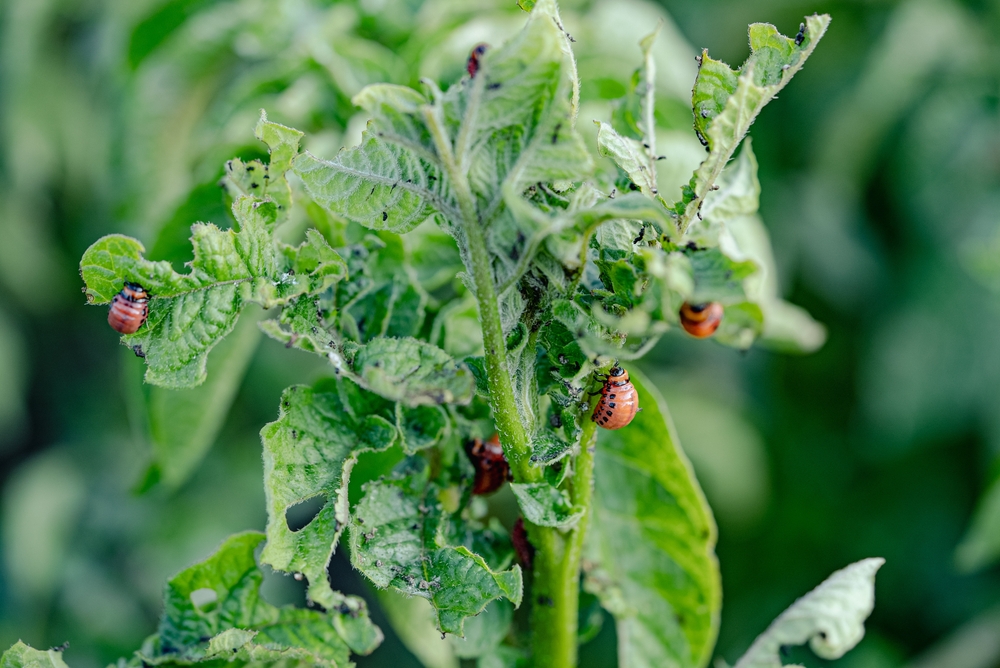
Farmers and gardeners are always chasing that delicate balance between lush, thriving crops and sneaky pests lurking in the soil. But skipping one of the oldest tricks in the book—crop rotation—can turn your garden paradise into a pest playground. When plants are repeated in the same spot season after season, it’s like sending out an all-you-can-eat invitation to insects, fungi, and soil-borne diseases.
Suddenly, what seemed like a healthy field can become a battleground, with pests multiplying faster than you can say “aphid infestation.” Understanding why rotating crops isn’t just a “nice-to-have” but a crucial strategy can make the difference between a bumper harvest and a buggy disaster.
How Continuous Cropping Feeds Pests And Diseases
When the same crop grows in the same soil year after year, pests quickly learn where to hang out. Beetles, caterpillars, nematodes, and other critters start building up populations because their food supply never runs out. It’s like running a restaurant that only serves your favorite dish—patrons (pests) keep coming back for more.
Soil-borne diseases, such as Fusarium or clubroot, thrive under these conditions, attacking roots and stems with relentless precision. Over time, the soil loses its natural balance, creating an environment that favors harmful organisms while friendly microbes take a back seat.
Nutrient Depletion Makes Plants Vulnerable
Crops aren’t just tasty targets for pests—they’re nutrient-hungry machines. Repeating the same plants depletes specific nutrients from the soil, leaving your crops weaker and less able to defend themselves. Think of it as a football team showing up tired and underfed—they’re much easier to tackle. Weak plants release stress signals that attract more pests, making infestations more severe. Additionally, depleted soils may force farmers to rely heavily on fertilizers, which can disrupt soil microbiomes and indirectly make pest problems worse.
How Rotating Crops Breaks Pest Cycles
Crop rotation acts like a secret weapon against pests. By switching plant families each season, you interrupt the lifecycle of pests that depend on one host. For example, planting beans after a season of cabbage can confuse and starve insects that are specialized for brassicas.
It’s a bit like musical chairs for pests—they suddenly can’t find their usual seat, and their populations decline naturally. This strategy also helps control weeds and diseases, creating a more resilient ecosystem overall.
Soil Health Improves With Rotation
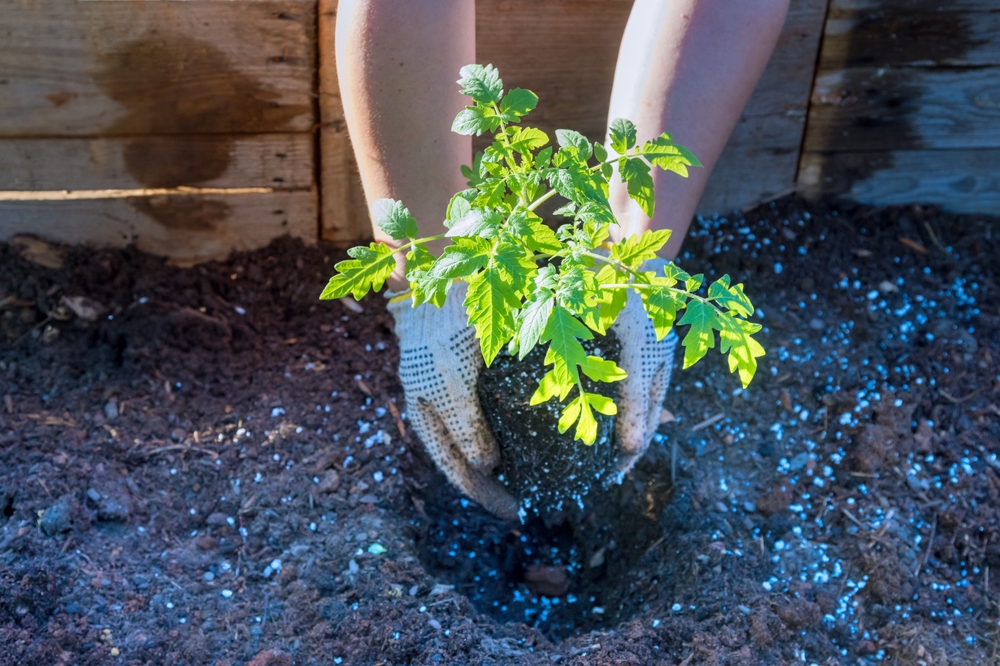
Rotating crops doesn’t just confuse pests; it revitalizes the soil. Different plants contribute varying amounts of organic matter and root structures, which help aerate the soil and support beneficial microbes. Cover crops and legumes can even fix nitrogen, enriching the soil for the next round of crops. Healthier soil produces stronger, more vigorous plants that are naturally better at fending off pests. It’s a domino effect: healthy soil leads to healthy plants, which leads to fewer pests and reduced need for chemical interventions.
Economic And Environmental Benefits
Ignoring crop rotation can hurt your wallet as much as your plants. Heavy pest pressure often leads to increased spending on pesticides, which can be costly and environmentally damaging. Frequent chemical use can also lead to resistant pest populations, making the problem worse over time.
In contrast, rotating crops reduces the need for interventions and supports sustainable farming practices. Farmers who embrace rotation often see higher yields, healthier crops, and a reduced ecological footprint—a win for their pockets and the planet.
Common Mistakes That Make Pest Problems Worse
Even when farmers know about crop rotation, mistakes can still create problems. Planting crops from the same family too soon or ignoring rotation schedules can allow pests to rebound quickly. Failing to consider soil type, drainage, and climate can also undermine rotation benefits. Another common error is overrelying on chemical treatments without giving the soil time to recover, which may temporarily suppress pests but doesn’t address the underlying problem. Understanding and planning rotation carefully is crucial to breaking the pest cycle effectively.
Tips For Successful Crop Rotation
Successful crop rotation requires a little planning but pays huge dividends. Rotate crops between different plant families, like alternating legumes, brassicas, and root crops. Keep a simple log of what was planted where each season to avoid repeating patterns. Consider planting cover crops in off-seasons to enrich soil and reduce weeds.
Be mindful of local pest threats and adjust rotations to maximize disruption of their lifecycles. With a thoughtful approach, crop rotation becomes a superpower that keeps pests in check and soil thriving.
Join The Conversation With Us
Crop rotation may seem old-fashioned, but it’s one of the most powerful tools to prevent pest explosions. Skipping it can lead to weaker plants, bigger infestations, and a stressful growing season. Farmers, gardeners, and backyard growers alike can benefit from planning rotations strategically.
Have you experienced a season where pests seemed unstoppable or where rotation saved your crops? We want to hear your experiences and thoughts in the comments so we can keep the conversation going.
You May Also Like…
The Crop Rotation Plan That Triples Spring Harvests
Why Root Crops Crack In Cool Wet Soil
Why Garden Nets Can Protect Late Crops
7 Pest Problems That Begin Long Before You See the Damage
6 Garden Pests That Hibernate in Your Soil

Brandon Marcus is a staff writer for FrugalGardening.com at District Media, Inc., where he delivers practical gardening advice with a relatable, no-nonsense style. An avid amateur gardener, he holds a BA degree and with over ten years of professional writing experience, he is also an award-winning published author whose first book, Questions For Deep Thinkers, was released by Adams Media. His work has appeared in major publications including Fandom.com, CHUD.com, TheColdWire.com, and Fansided.com.
Leave a Reply