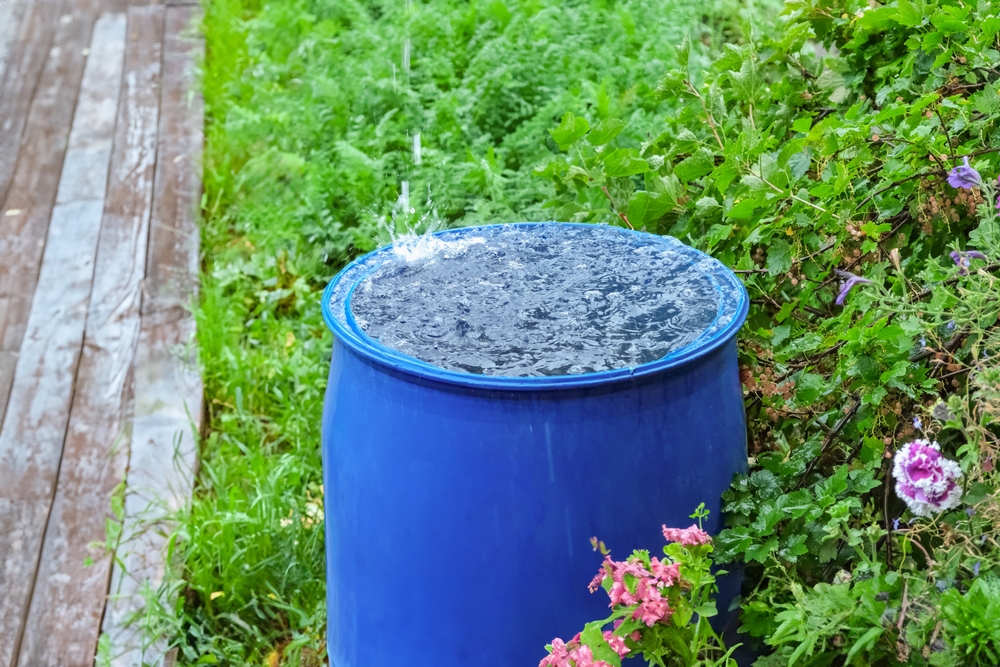
A humble plastic barrel now sparks arguments that stretch from backyard fences all the way to state capitols. Homeowners roll out rain barrels with eco-pride, while regulators dust off rulebooks and start asking hard questions. This clash feels strange because rain seems free, friendly, and harmless, yet history, law, and climate pressure turn it into a surprisingly spicy issue.
As drought anxiety rises and infrastructure ages, states once again scrutinize who gets to collect water and why. The result brings confusion, frustration, and more than a few heated neighborhood debates.
The Long And Complicated History Of Water Rights
Water law in the United States never followed simple logic. Some states operate under the previous rules, which treat water as a resource that belongs to whoever claimed and used it first. Lawmakers designed those rules during mining booms and agricultural expansions, not during suburban rain-barrel shopping sprees.
When a homeowner collects rainwater, that action technically interrupts water that would have flowed into streams, rivers, or aquifers under existing claims. Some states once banned rain barrels outright for this reason, and although modern reforms now allow limited use, regulators still watch the practice closely.
Drought Pressure And The Fear Of Empty Reservoirs
Drought sometimes forces states to rethink policy. As reservoirs drop and snowpack shrinks, water managers scrutinize every drop with renewed urgency. States that depend heavily on carefully timed runoff for irrigation and municipal supply feel especially jumpy.
Officials worry that widespread, untracked collection complicates forecasting and allocation models. Even though studies often show minimal impact from small-scale harvesting, fear thrives during scarcity.
Public Health Concerns That Will Not Go Away
Rain barrels create another problem that regulators cannot ignore: mosquitoes. Standing water offers an irresistible breeding ground for species that carry diseases like West Nile virus. Health departments field complaints every summer from neighbors who blame backyard barrels for itchy outbreaks. Some homeowners maintain barrels responsibly with screens and drainage, but not everyone reads the instructions.
States and municipalities step in when complaints pile up and hospital data raises alarms. Officials do not crack down for fun; they respond to public health data and political pressure.

Aging Infrastructure And Municipal Revenue Worries
Cities rely on stormwater systems to manage runoff, prevent flooding, and protect water quality. Officials fear that widespread rainwater collection could complicate infrastructure planning or reduce predictable revenue streams.
Some states empower cities to regulate or permit rain barrels to maintain control. This tension pits conservation efforts against collective systems that require funding and coordination. Everyone wants sustainability, but nobody agrees on who should pay for it.
Homeowners Associations And Local Enforcement Battles
State laws rarely operate alone, local rules and homeowner associations add extra layers of conflict. Even in states that allow rain barrels, HOAs sometimes ban them for aesthetic reasons or perceived safety risks. Homeowners then assume the state suddenly reversed course, when local enforcement actually drives the conflict.
States often respond to these disputes with clarifications, enforcement guidance, or renewed oversight. But sometimes confusion spreads faster than clarity, especially when social media amplifies half-true claims.
Climate Change And The Rebranding Of Rainwater
Climate change reshapes how governments think about every natural resource, including rain. Officials now view rainfall as part of a tightly managed system rather than a casual backyard bonus. Some states encourage large-scale rainwater harvesting for agriculture or commercial use while restricting unregulated residential collection.
That approach sounds contradictory, but regulators aim for oversight and data rather than chaos. States want to measure, track, and plan around water use with precision. Unpermitted barrels feel unpredictable in a world that demands spreadsheets and forecasts. Control, not cruelty, often drives these policies.
Why The Debate Keeps Coming Back
Rain barrels sit at the intersection of personal freedom, environmental ethics, and century-old water law. Every drought, disease outbreak, or infrastructure failure drags the issue back into the spotlight. States adjust rules, relax them, then tighten enforcement when conditions change. Homeowners feel whiplash, while regulators feel cornered by competing demands.
Neither side acts out of malice and both respond to pressure and uncertainty. Until water scarcity eases or laws undergo a massive overhaul, this debate will keep returning like a stubborn summer storm. The barrel may look small, but the implications tower high.
Where Do We Go From Here?
Rain barrels spark strong opinions because they symbolize much more than water storage. They represent independence, responsibility, fear, and fairness all rolled into one soggy topic. States will continue wrestling with how to balance individual conservation with collective water management. Homeowners will continue pushing back when rules feel outdated or heavy-handed.
If you have tangled with rain barrel rules, argued with a neighbor, or navigated a permit maze, your experience adds valuable perspective, so let’s hear it in the comments below.
You May Also Like…
8 Signs Your Soil Needs More Drainage Before Spring Rains
Why Rainwater Collection Is Easier in Fall
Is Early Garden Mapping the Key to Higher Yields on a Budget?
Why Early Garden Planning Reduces Water Bills Later
10 Winter Watering Rules for Trees and Shrubs

Brandon Marcus is a staff writer for FrugalGardening.com at District Media, Inc., where he delivers practical gardening advice with a relatable, no-nonsense style. An avid amateur gardener, he holds a BA degree and with over ten years of professional writing experience, he is also an award-winning published author whose first book, Questions For Deep Thinkers, was released by Adams Media. His work has appeared in major publications including Fandom.com, CHUD.com, TheColdWire.com, and Fansided.com.
Leave a Reply