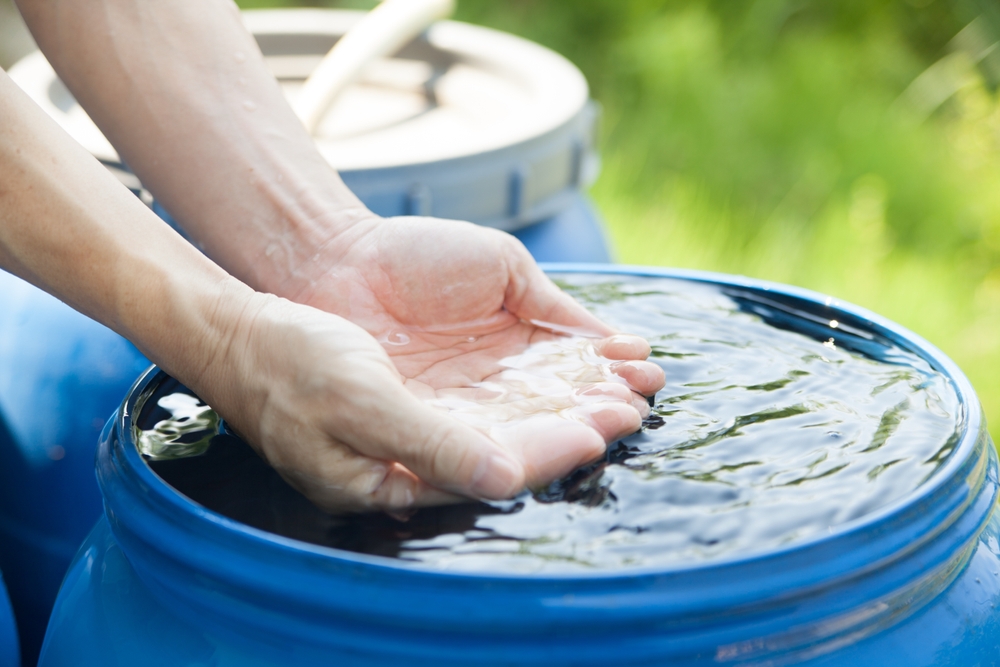
Let’s take a trip together. It’s late winter in the Southeast — the sun is starting to tease us with a warmer touch, and your rain barrels are quietly brimming after weeks of off-and-on showers. You’re itching to siphon that sweet, free water into your garden beds, dreaming of lush tomato vines and vibrant marigolds come spring.
But hold on a minute: this month, experts across the Southeast are urging gardeners to pause their rainwater harvesting habits. It’s not a spring prank, and it’s definitely not a secret plot to make you crack open your wallet for city water. There are good, science-backed reasons behind this alert, and understanding them could make your garden healthier and safer — for you and your plants.
Why Rainwater Isn’t Always the Pure Elixir We Wish It Was
Rainwater harvesting can reduce stormwater runoff, ease pressure on municipal systems during droughts, and give you a free source of irrigation for non-edible plants. But before you stick that hose directly into your lettuce patch this month, let’s talk about why this advice to pause is popping up now.
Rainwater falling from the sky starts off relatively clean. But once it hits your roof, gutters, and storage barrels, it’s almost guaranteed to pick up contaminants. It can carry bacteria from bird droppings, spores from molds, and chemicals that leach from roofing materials. This water isn’t treated or monitored like municipal water is. That means you can’t see or smell all the stuff that might be in there, even if it looks clear and pristine.
This isn’t just about a few specks of dirt. Studies consistently remind gardeners that rainwater collected from rooftops should never be assumed safe for drinking or even for irrigation of edible parts of plants without proper treatment and testing.
The Chemical Cloud Overhead: PFAS and “Forever Chemicals”
Beyond bugs and debris, rain itself can carry microscopic contaminants from the air. Some of the worst are the so-called “forever chemicals,” officially known as PFAS (per- and polyfluoroalkyl substances). These compounds don’t break down easily in the environment. Recently, they have been found in rainwater in various parts of the U.S. PFAS can come from industrial emissions, firefighting foams, and everyday products like nonstick cookware coatings. Once they’re airborne, they can hitch a ride on rain droplets.
While there isn’t a specific government “rainwater ban” sweeping the Southeast this month, the combination of winter and early spring weather patterns can make roof-collected rainwater even more unpredictable than usual. After long dry periods, the first rains wash off a backlog of debris and pollutants that have settled on roofs and gutters.
Gardening Season and Safety: Why Timing Matters Right Now
In late winter and early spring, many gardeners are raring to go. They’re sowing seeds indoors, pruning roses, and plotting their summer harvest. But this is also a time when rainwater quality can be at its worst. After months of dry dust, leaves, and animal droppings collecting on your roof, the first significant rain events can wash a concentrated dose of contaminants into your barrels. That creates a perfect storm (pun intended) for introducing bacteria and chemicals into your irrigation water.
Experts suggest that if you’re going to use rainwater, you do so with caution, especially for edible plants. At a minimum, avoid letting water from rain barrels touch the edible part of plants. Instead, apply it directly to the soil near roots using a watering can, soaker hose, or drip irrigation.
Always wash any produce thoroughly with potable water before consuming. If you plan to harvest rainwater for any use that brings it near the parts of plants you’re going to eat, consider getting the water tested or installing appropriate filtration and disinfection systems.
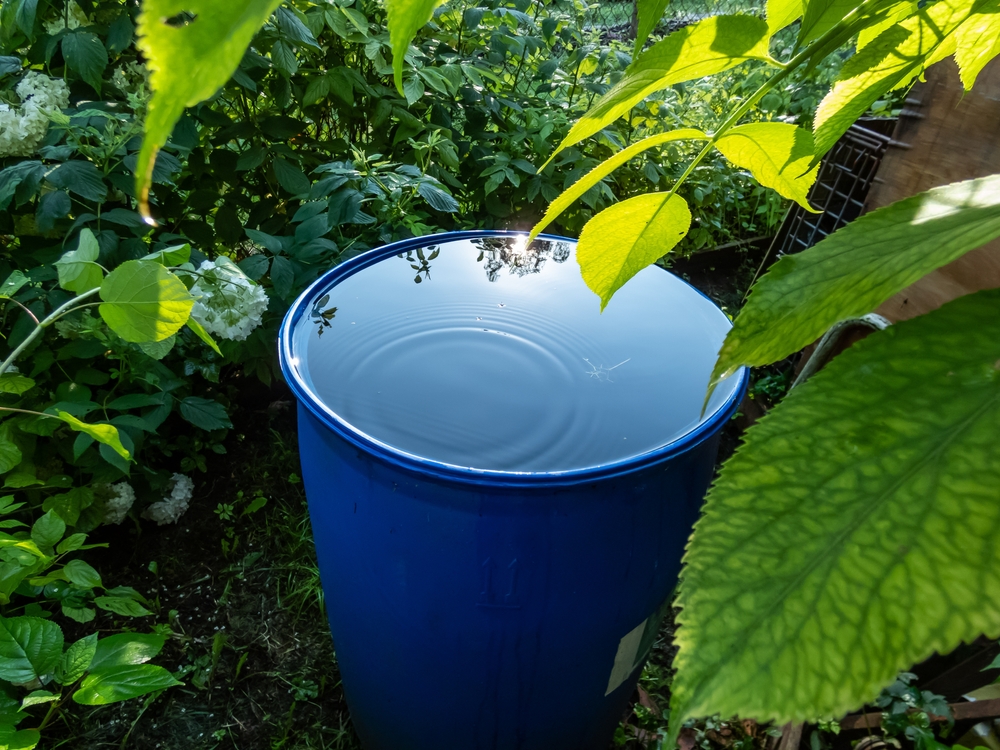
Spring Prep With Your Head (And Heart) in the Game
The message this month is clear: use it thoughtfully, understand its limitations, and protect both your plants and your family. Take this pause as a chance to refine your system, learn a few water safety basics, and set yourself up for a gorgeous and healthy growing season.
What’s the cleverest twist you’ve ever put on rainwater harvesting in your garden? Let us know in the comments.
You May Also Like…
Why Rainwater Collection Is Easier in Fall
Why Some States Are Cracking Down on Rain Barrels Again
8 Signs Your Soil Needs More Drainage Before Spring Rains
Why You Need to Check Soil Drainage Before the First Freeze
How Soil Structure Shifts After Heavy Autumn Rains

Brandon Marcus is a staff writer for FrugalGardening.com at District Media, Inc., where he delivers practical gardening advice with a relatable, no-nonsense style. An avid amateur gardener, he holds a BA degree and with over ten years of professional writing experience, he is also an award-winning published author whose first book, Questions For Deep Thinkers, was released by Adams Media. His work has appeared in major publications including Fandom.com, CHUD.com, TheColdWire.com, and Fansided.com.
Leave a Reply