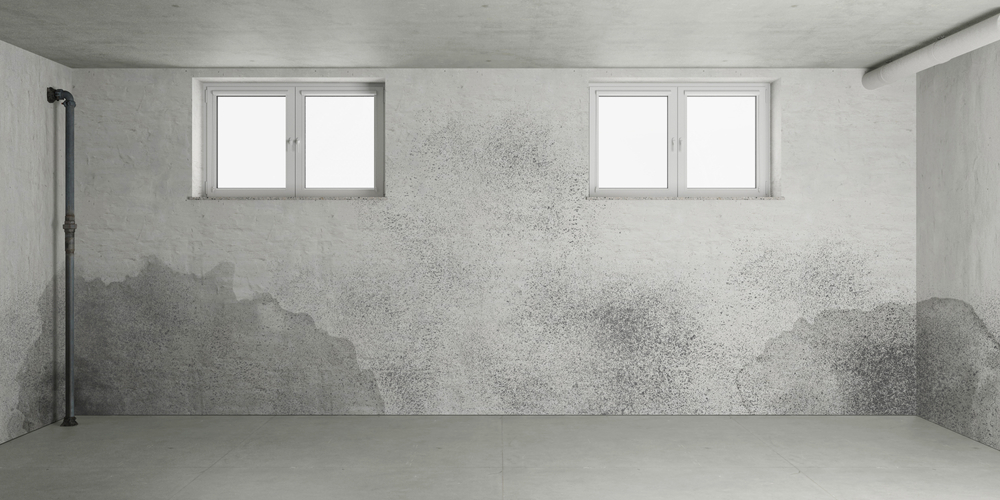
If your basement smells a little “earthy” after a storm, your garden might be part of the problem. When rain can’t soak in where it lands, it follows the easiest path—often straight toward your foundation. A few innocent habits like piling mulch against the house, aiming downspouts at a flower bed, or building up soil along the wall can quietly push water where you least want it. The good news is you don’t need a contractor or a full yard redo to fix it. With a few frugal tweaks, you can keep more water in the landscape and prevent basement mold.
1. Walk Your Yard Like Water Does After A Downpour
Grab an umbrella and do a quick lap outside during the next steady rain. Watch where water sheets off hard surfaces, where it pools, and where it races downhill. Mark trouble spots with little flags, sticks, or even a few rocks so you don’t forget them later. If water runs toward your foundation, you’re setting up the perfect conditions for basement mold. That simple “storm walk” tells you exactly what to fix first.
2. Give Downspouts A Better Destination Than Your Flower Beds
Downspouts that dump right beside the house overload the soil fast. Extend them at least 4 to 6 feet away (though some recommend as much as 10 feet) using a flexible extender, a solid extension, or a simple splash block setup. If you want to keep it cheap, look for used downspout pieces at salvage yards or reuse leftover pipe from other projects. Aim the discharge toward a spot that can spread water out, not a low pocket that funnels it back. Once you redirect that flow, you reduce the soggy zone that feeds basement mold.
3. Fix Grading And Gutters To Stop Basement Mold
Your yard should slope away from the house so rain doesn’t camp out near the foundation. You don’t have to regrade the whole property—just correct the first few feet by pulling soil away from the wall and building a gentle slope outward. Clean gutters twice a year so they don’t overflow like a waterfall right at your footing. If you see a drip line carved into the ground, that’s your clue the roof is dumping more water than the soil can handle. These boring fixes feel unglamorous, but they’re some of the fastest ways to cut off basement mold at the source.
4. Pull Mulch And Soil Back From The Foundation Line
A thick mulch mound looks tidy, but it can act like a wet sponge pressed against your house. Create a bare strip of gravel or stone 6 to 12 inches wide along the foundation and keep mulch and soil out of that zone. Don’t let garden beds climb higher than the foundation vents or siding line, because that hides problems and traps moisture. If you need a clean edge, use inexpensive metal edging or even a simple trench cut with a flat shovel. This one change can dry out the wall area fast and reduce basement mold risk without spending much.
5. Build A “Sponge Zone” With A Mini Rain Garden Or Swale
Instead of fighting water, give it a place to land and soak in. A shallow swale or mini rain garden can be as simple as a gentle dip planted with tough, water-tolerant perennials. You can start small by carving out a low basin where a downspout extension ends, then mulching it with wood chips to slow runoff. Add plants over time as budget allows, and choose ones that can handle wet feet and dry spells. When you keep runoff in the yard, you stop the repeated wetting that encourages basement mold indoors.
6. Swap Hard Runways For Permeable Paths And Smarter Surfaces
If you’ve got compacted dirt paths or solid walkways that send water downhill, tweak them to absorb more rain. Spread wood chips on high-traffic routes to reduce compaction and let water filter through. For patios or side yards, consider permeable pavers or spaced flagstones with gravel in between when you’re ready to refresh the area. Even a narrow strip of gravel beside a driveway can catch runoff and slow it down before it hits your foundation. Small surface changes add up because storms don’t need much help to turn into runoff.
Keep The Water Outside, Keep The House Healthier
A drier basement starts with a yard that handles rain on purpose, not by accident. Focus on the first 10 feet around your home, because that’s where small fixes have the biggest impact. Redirect roof water, pull soggy materials away from the foundation, and give runoff a place to soak in safely. Once your landscape stops sending water toward the house, your basement air gets fresher and your cleanup list gets shorter. The goal isn’t perfection—it’s making every storm a little less stressful.
What’s one spot in your yard that always turns into a mini river when it rains?
What to Read Next…
This Winter Gardening Habit Is Spreading Mold and Root Rot, Experts Warn
Water Authorities Warn Homeowners: Your Rain Barrel May Be Contaminated
Experts Say These Dollar Store Garden Items Are Killing Plants in 2026
Gardeners Warned: This Common Winter Cleanup Habit Is Spreading Fungal Disease in Raised Beds
The Mulch That’s Causing Mold Problems in Southern Homes

Catherine is a tech-savvy writer who has focused on the personal finance space for more than eight years. She has a Bachelor’s in Information Technology and enjoys showcasing how tech can simplify everyday personal finance tasks like budgeting, spending tracking, and planning for the future. Additionally, she’s explored the ins and outs of the world of side hustles and loves to share what she’s learned along the way. When she’s not working, you can find her relaxing at home in the Pacific Northwest with her two cats or enjoying a cup of coffee at her neighborhood cafe.
Leave a Reply