
Gardeners love a trick that feels a little rebellious — especially one that comes from the kitchen instead of the garden center. And lately, one everyday pantry staple has been quietly making its way into garden beds, compost piles, and planting holes. It isn’t a miracle fertilizer, and it isn’t one of those viral hacks that promises magic and delivers disappointment. It’s something far more practical, far more grounded in real soil science, and far more effective than most people expect.
The ingredient? Used coffee grounds. Not baking soda. Not vinegar. Not sugar water. Coffee grounds — the stuff you normally toss in the trash — are the pantry item gardeners are burying for legitimate, research‑supported reasons. And unlike many trending gardening shortcuts, this one actually holds up.
Why Coffee Grounds Deserve a Second Life in Your Soil
Coffee grounds aren’t a miracle cure, but they are rich in organic matter, and that alone makes them valuable. When mixed into soil or compost, they help improve the way soil behaves. They loosen dense soil, help sandy soil hold moisture, and create a structure that allows roots to breathe and expand. Plants thrive in soil that drains well yet stays evenly moist, and coffee grounds help move soil in that direction.
They also contain small amounts of nitrogen — not enough to replace fertilizer, but enough to feed the microbes that make soil come alive. Microbes break down organic matter, release nutrients, and support healthy root systems. When gardeners bury coffee grounds, they’re not feeding the plant directly; they’re feeding the underground ecosystem that keeps plants strong.
The Truth About Acidity
One of the biggest myths about coffee grounds is that they make soil more acidic. That’s only true for unused grounds. Once brewed, coffee grounds are close to neutral in pH, which means they won’t acidify your soil. This makes them safe for vegetables, herbs, flowers, shrubs, and most houseplants. Only plants that require extremely alkaline soil might object, and those are rare in the average garden.
Composting: Where Coffee Grounds Really Shine
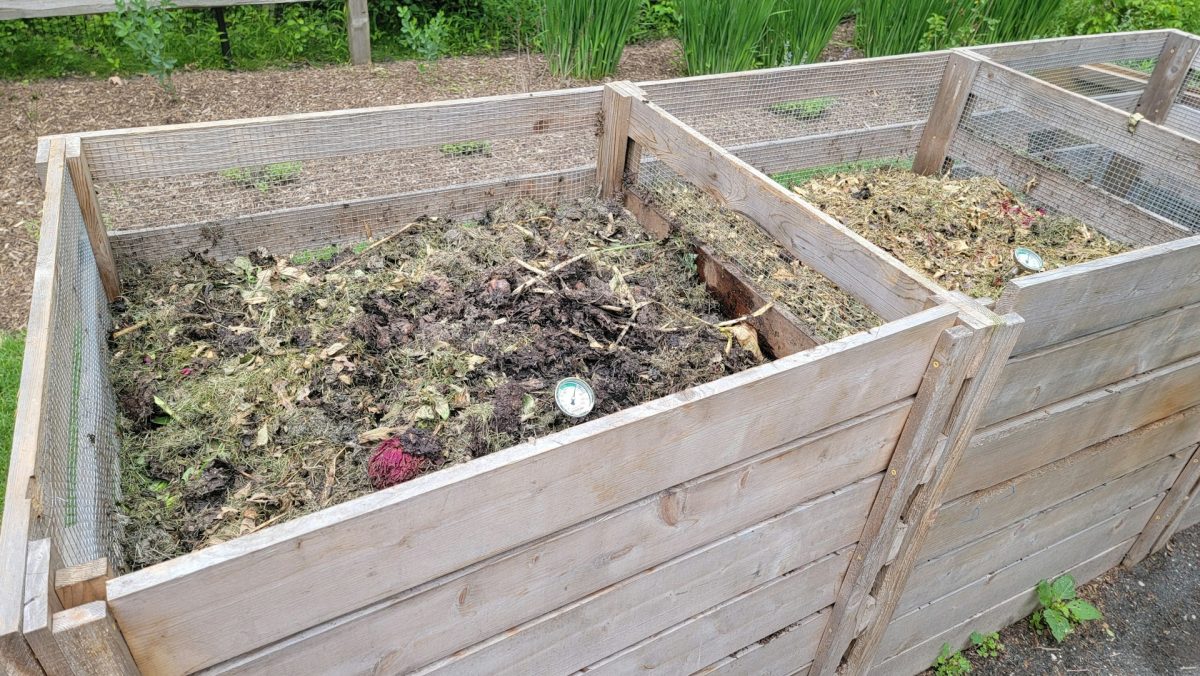
If you want the biggest payoff, add coffee grounds to your compost pile rather than burying them directly. Compost thrives on a balance of nitrogen‑rich “greens” and carbon‑rich “browns.” Coffee grounds count as greens, and they heat up compost beautifully when mixed with leaves, cardboard, or straw. The result is a nutrient‑rich compost that improves soil fertility naturally.
Worms also adore coffee grounds. If you compost with worms, they’ll break them down quickly and turn them into worm castings — one of the most powerful soil amendments available to home gardeners.
What Coffee Grounds Can and Can’t Do for Pests
Coffee grounds have a reputation for repelling pests, but the science is mixed. They don’t reliably deter ants, slugs, cats, or beetles, despite what online hacks claim. What they can do is support beneficial soil microbes that naturally compete with harmful fungi. Healthier soil biology often leads to fewer disease problems, not because coffee grounds kill pathogens, but because they help create a more balanced ecosystem.
So while coffee grounds aren’t a pest shield, they do contribute to a garden that’s more resilient overall.
How to Use Coffee Grounds Without Harming Your Plants
Coffee grounds are helpful, but only when used correctly. Dumping them in thick layers is a mistake because they can compact and form a crust that repels water. Mixing them into soil or compost is the safest approach. They should be used sparingly, more like a supplement than a primary amendment. Combining them with other organic materials — compost, leaves, straw, or mulch — prevents compaction and balances nutrients.
They also shouldn’t be used as mulch on their own. They work beautifully under mulch, but not as a top layer. When used thoughtfully, coffee grounds improve soil texture, support microbial life, and help plants grow stronger without the risks associated with overuse.
The Real Benefits Gardeners Notice
Gardeners who use coffee grounds correctly often notice softer, more workable soil that holds moisture without becoming soggy. They see more earthworms, healthier root systems, and improved compost quality. These benefits aren’t magical; they’re simply the natural result of adding organic matter to soil. Coffee grounds just happen to be a convenient, free source of it.
Pairing Coffee Grounds With Other Natural Boosters
Coffee grounds work best as part of a broader soil‑building strategy. When combined with compost, mulch, aged manure, leaf mold, or biochar, they help create a soil environment that supports strong, resilient plants. Together, these materials improve fertility, structure, and moisture balance without relying on synthetic fertilizers.
From Pantry Waste to Garden Gold
The beauty of using coffee grounds is that they turn everyday waste into something valuable. Instead of tossing them in the trash, you’re feeding your soil, supporting beneficial microbes, and improving plant health in a sustainable, low‑cost way. No gimmicks. No viral hacks. Just real, practical gardening science.
The Help That Coffee Grounds Provide
If you want to bury something from your pantry, make it coffee grounds. Coffee grounds enrich soil, while other substitutes sometimes damage it. Best of all, nearly every household has at least some hanging around the kitchen.
What other kitchen scraps have you experimented with in your garden? We’d love to hear what’s worked — and what hasn’t — in your backyard.
You May Also Like…
Why This Common Soil Habit Is Secretly Destroying Your Spring Garden
Why Your Garden Hose Could Be Leaching Chemicals Into Your Soil
These 10 Garden Hacks Are Going Viral — But Experts Say Some Are Ruining Soil Health
Soil Scientists Warn: This Contamination Is Spreading Fast in Home Gardens Across the South
Experts Say Houseplant Soil Mix Is Causing Gnat Infestations

Brandon Marcus is a staff writer for FrugalGardening.com at District Media, Inc., where he delivers practical gardening advice with a relatable, no-nonsense style. An avid amateur gardener, he holds a BA degree and with over ten years of professional writing experience, he is also an award-winning published author whose first book, Questions For Deep Thinkers, was released by Adams Media. His work has appeared in major publications including Fandom.com, CHUD.com, TheColdWire.com, and Fansided.com.
Leave a Reply