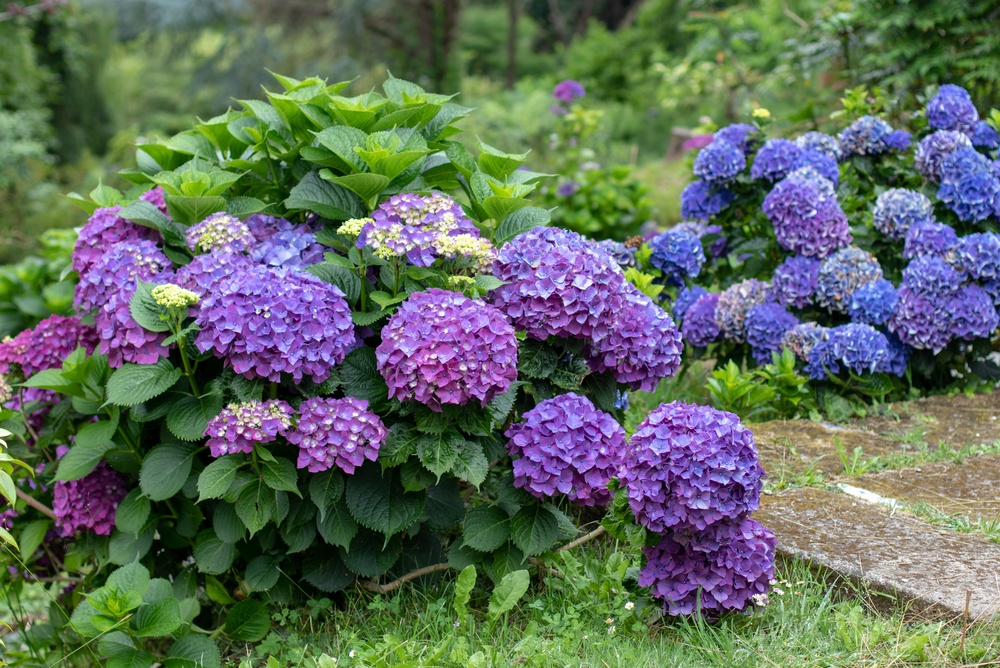
A beautiful garden does not require a premium price tag. In fact, some of the smartest gardeners spend less because they know where to save, where to splurge, and how to let nature do part of the work. A little creativity often stretches every gardening dollar much farther than another trip to the garden center.
Walk through an established neighborhood in midsummer, and many of the most impressive gardens share one thing in common. They did not appear overnight, and they certainly were not built in a single shopping spree. They grew one smart decision at a time.
1. Start More Plants From Seeds
Buying large plants delivers instant gratification, but those nursery pots can empty a wallet surprisingly fast. A single packet of seeds often produces dozens of flowers or vegetables for the price of one mature plant. Watching tiny seedlings emerge also brings a different kind of satisfaction that store-bought plants simply cannot match.
Not every plant grows easily from seed, so choose reliable favorites like zinnias, marigolds, lettuce, beans, spinach, or sunflowers. Starting indoors a few weeks before the growing season or sowing directly outside gives plenty of inexpensive options. Even if every seed does not sprout, the savings add up quickly over an entire season.
2. Turn Kitchen Scraps Into Garden Gold
Every banana peel, coffee ground, eggshell, and vegetable trimming holds potential instead of heading straight for the trash. A compost pile transforms everyday waste into rich organic matter that improves soil structure and supports healthier plants. It feels a bit like creating homemade fertilizer with ingredients already sitting in the kitchen.
Composting does not require fancy equipment or expensive bins. A simple pile tucked into a quiet corner or an inexpensive compost container works well for many home gardeners. Before long, yesterday’s salad scraps become dark, crumbly compost that plants eagerly welcome.
3. Divide Perennials Instead of Buying More
Many perennial flowers become larger every year, and that growth creates a wonderful opportunity. Plants like hostas, daylilies, black-eyed Susans, and ornamental grasses naturally form larger clumps that gardeners can divide. One healthy plant often becomes two, three, or even more without spending another cent.
Early spring or early fall usually provides the best time for dividing most perennials. A sharp shovel and a little effort often produce enough extra plants to fill empty spaces throughout the yard. Many gardeners also swap divisions with neighbors, creating even more variety without opening a wallet.
4. Collect Rainwater When Possible
Summer watering quietly becomes one of the hidden costs of gardening. Collecting rainwater helps reduce water bills while giving plants untreated water they often appreciate. A good rainfall can fill a barrel surprisingly quickly, especially during stormy weeks.
Even a modest rain barrel attached to a downspout provides a dependable supply for flower beds and vegetable gardens. Gardeners without space for large barrels can place clean buckets outside before expected rain. Every gallon collected means one less gallon coming from the tap.
5. Use Mulch to Save More Than Money
Mulch does much more than make flower beds look tidy. It helps soil stay moist, slows weed growth, and reduces the amount of watering needed during hot weather. Less watering and less weeding means less work and fewer expenses throughout the season.
Shredded leaves, untreated grass clippings, pine needles, and arborist wood chips often provide affordable or even free mulch options. Many communities also offer free mulch from chipped tree branches after storm cleanup. That natural blanket pays for itself many times over by protecting both soil and plants.
6. Save Seeds From Favorite Plants
One of the easiest ways to reduce next year’s gardening costs begins before this year’s season ends. Many flowers and vegetables produce seeds that gardeners can collect once they mature. Marigolds, beans, peas, tomatoes, and lettuce all make excellent candidates for seed saving.
Allow seeds to dry completely before storing them in labeled paper envelopes in a cool, dry location. A rainy afternoon in winter becomes much more exciting when those saved seeds promise another growing season without another shopping trip. It feels like opening tiny envelopes filled with next year’s possibilities.
7. Shop at the Right Time
Timing often matters just as much as price. Garden centers frequently discount healthy plants toward the end of the growing season to make room for new inventory. Those clearance racks often hide some incredible bargains for patient shoppers.
Late-season sales work especially well for shrubs, trees, and perennials that still have plenty of time to establish roots before colder weather arrives. A slightly scruffy-looking plant often bounces back beautifully with regular watering and proper care. Looking beyond perfect appearances can lead to some of the best gardening deals around.
8. Repurpose Everyday Items
Some of the most useful garden tools never come from a gardening aisle. Old buckets become planters, yogurt containers start seedlings, and wooden pallets transform into vertical gardens. Creative gardeners often spot possibilities where others see clutter.
Broken bricks edge flower beds, worn-out colanders become quirky hanging baskets, and old spoons make surprisingly durable plant markers. Repurposing everyday items saves money while adding personality that no catalog can duplicate. Every garden tells a more interesting story when it includes a few clever surprises.
9. Grow Plants That Give Back Every Year
Annual flowers certainly earn their place, but perennial plants reward patience season after season. Fruit bushes, asparagus, rhubarb, herbs, and many flowering perennials return year after year with far less replacement cost. One purchase continues paying dividends long after the first growing season ends.
Choosing reliable, long-lived plants builds a stronger garden budget over time. Filling empty spaces gradually instead of all at once also keeps spending manageable. The garden grows a little fuller each year, and so does the satisfaction of seeing smart planning pay off.
A Beautiful Garden Doesn’t Need a Big Budget
Gardening has never been about spending the most money. It has always been about making the most of what is available, whether that means saving seeds, sharing plants with neighbors, or turning kitchen scraps into rich compost. Some of the happiest gardens grow from resourcefulness instead of expensive shopping trips.
Which of these budget-friendly gardening tricks has saved you the most money, or do you have another favorite tip to share? Tell everyone in the comments.
You May Also Like…
Why Backyard Gardening Is Becoming a Retirement Hobby Boom
The Gardening Mistake That Causes Raised Beds to Dry Out Faster
The Container Gardening Trend That’s Exploding on TikTok
7 Budget Tools Every Gardener Needs for Safe, Clean Shrub Pruning
10 Gardening Tools People Say Are Total Waste of Money

Brandon Marcus is a staff writer for FrugalGardening.com at District Media, Inc., where he delivers practical gardening advice with a relatable, no-nonsense style. An avid amateur gardener, he holds a BA degree and with over ten years of professional writing experience, he is also an award-winning published author whose first book, Questions For Deep Thinkers, was released by Adams Media. His work has appeared in major publications including Fandom.com, CHUD.com, TheColdWire.com, and Fansided.com.
Leave a Reply