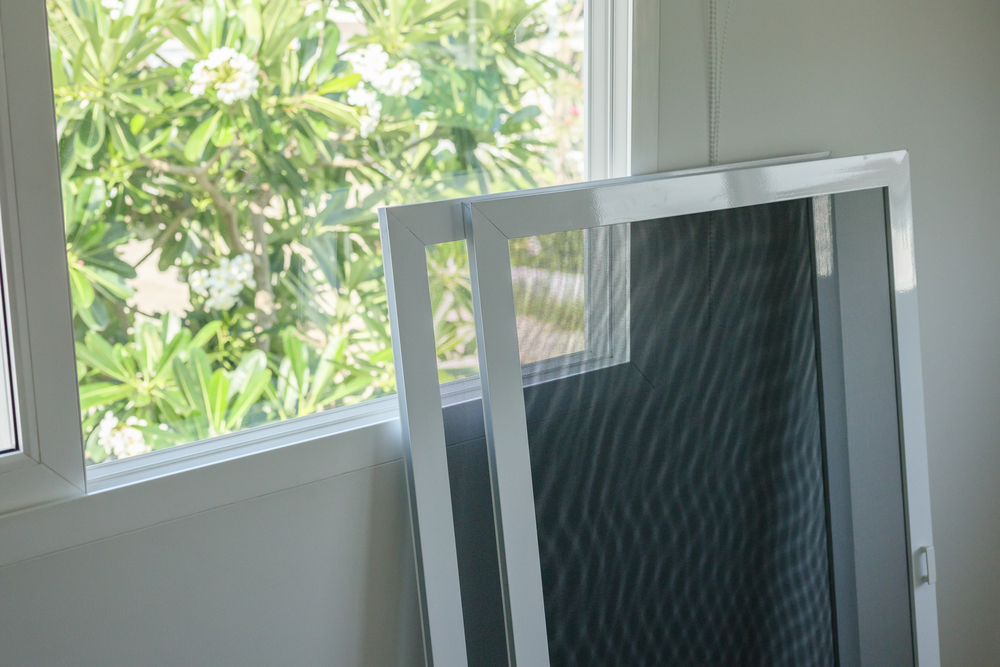
An old window screen can become a surprisingly useful seed-drying rack. Instead of spreading seeds across a plate, paper towel, or cookie sheet where moisture can linger underneath, a clean screen lets air move around the seeds from multiple directions. That simple bit of airflow makes the humble window screen a clever piece of garden equipment hiding in plain sight.
The trick involves more than tossing a pile of seeds onto whatever screen happens to sit in the garage. The screen needs a good cleaning, the seeds need the right preparation, and the drying area needs protection from heat, humidity, pets, and curious fingers. Get those details right, and that forgotten screen can give seed-saving season a whole new job.
Why an Old Window Screen Makes a Good Seed-Drying Rack
Seeds need thorough drying before storage, particularly seeds that come from moist fruits or freshly harvested pods. A solid plate gives the underside of the seed little access to moving air, while a screen creates openings beneath the seed and allows air to circulate around it. Oregon State University Extension specifically recommends window screens for drying seeds because they provide excellent air circulation.
That airflow matters because trapped moisture creates trouble once seeds move into storage. University of Minnesota Extension recommends drying saved seeds completely before placing them in sealed containers, and it notes that seeds showing moisture after storage need more drying time. An old screen therefore works for the same reason a good drying rack works in the kitchen: it gives moisture somewhere to go.
Not Every Seed Wants the Same Treatment
Dry seeds offer the easiest starting point for this method, especially beans, peas, many flowers, herbs, and other crops that produce mature seeds inside dry pods or seed heads. Let beans and peas mature on the plant until the pods turn dry and brown and the seeds rattle before bringing them indoors for further drying. Those seeds already did much of the drying work outdoors, so the screen simply finishes the job.
Wet seeds need more attention, and tomatoes provide the classic example. Tomato seeds sit inside a gelatinous coating, so gardeners should remove that material through fermentation before rinsing and drying the seeds. Cucumber and similar wet-seed crops also require different preparation from dry pods, which means the screen handles the drying stage rather than replacing every other seed-saving step.
How to Turn a Screen Into a Seed-Drying Station
Start with a screen that has no peeling paint, rust flakes, oily residue, or mystery garage grime clinging to it. Wash the screen thoroughly, rinse away cleaning residue, and let it dry completely before placing seeds on it. A screen from an old window works especially well when it has a fine mesh that keeps small seeds from disappearing through the openings.
Set the screen somewhere cool, dry, and well ventilated, then spread cleaned seeds in a single layer rather than creating a little seed mountain. University of Minnesota Extension recommends screen racks for air-drying plant material and advises gardeners to spread material only one layer deep so air can circulate properly. A gentle household fan can improve air movement, but avoid blasting lightweight seeds across the room and turning seed saving into an indoor game of botanical dodgeball.
The Biggest Mistakes Happen Before Storage
The biggest mistake involves rushing the drying stage because the seeds look dry on the surface. Seeds may still hold moisture internally, and sealing that moisture inside a jar creates an inviting environment for mold and can reduce seed quality. Store only thoroughly dry seeds, and check the container after storage for any sign of condensation or moisture.
Another mistake involves saving seed from unhealthy plants or assuming every seed will produce a clone of the parent plant. University of Minnesota Extension recommends collecting seed from healthy plants and explains that hybrid plants can produce offspring with unpredictable combinations of traits. Once the seeds finish drying, label them with the plant name, variety, and collection date, then move them into an appropriate cool, dry storage container.
Give That Old Screen a Second Career
An old window screen makes an excellent seed-drying tool because it solves one of seed saving’s most important practical problems: airflow. It costs nothing if a retired screen already sits around the house, it takes almost no space, and it works particularly well for dry seeds and cleaned seeds that need a final drying period. The method also gives gardeners an easy way to keep different seed batches separated by using several small screens or dividing one screen into labeled areas.
The screen does not perform magic, though, and good seed saving still depends on proper harvest timing, cleaning, drying, labeling, and storage. Keep the setup away from direct heat and strong sunlight, protect tiny seeds from drafts, and never pile wet seeds deeply enough to trap moisture. With those precautions, an item destined for the junk pile can become one of the handiest little tools in the seed-saving corner of the garden.
The Garden Tool Hiding in the Garage
Before buying a specialized seed-drying rack, take a look at the collection of old household odds and ends waiting for their second act. That retired window screen might have spent years blocking mosquitoes, but it can now help prepare next season’s garden before the current season has even packed up its bags. A clean screen, good airflow, a thin layer of seed, and patience provide a remarkably simple setup for drying many kinds of garden seed. Sometimes the smartest garden equipment does not come from the garden center at all.
Would an old window screen earn a spot in your seed-saving setup, or does another unexpected household item already do the job?
You May Also Like…
7 Plants That Offer Seeds Birds Can Eat Through Fall
Should You Cover Freshly Sown Seeds With Burlap?
8 Seed-Saving Tips That Help You Avoid Buying Packets Every Season
Should You Cover Freshly Sown Seeds With Burlap?
Save Seeds, Save Money: Harvest, Dry and Store Seeds from This Year’s Favorite Heirloom Plants

Brandon Marcus is a staff writer for FrugalGardening.com at District Media, Inc., where he delivers practical gardening advice with a relatable, no-nonsense style. An avid amateur gardener, he holds a BA degree and with over ten years of professional writing experience, he is also an award-winning published author whose first book, Questions For Deep Thinkers, was released by Adams Media. His work has appeared in major publications including Fandom.com, CHUD.com, TheColdWire.com, and Fansided.com.
Leave a Reply